THE ADVENTURE COLLECTIVE® · Independent discovery and booking for outdoor travel

Choose the Rongai route for a less crowded, northerly approach to Kilimanjaro that favors steady acclimatization and sweeping views over Kenya’s plains. This six-day private trek balances camping comfort, professional guides and an achievable summit strategy for prepared trekkers.
Choose the Rongai route for a less crowded, northerly approach to Kilimanjaro that favors steady acclimatization and sweeping views over Kenya’s plains. This six-day private trek balances camping comfort, professional guides and an achievable summit strategy for prepared trekkers.
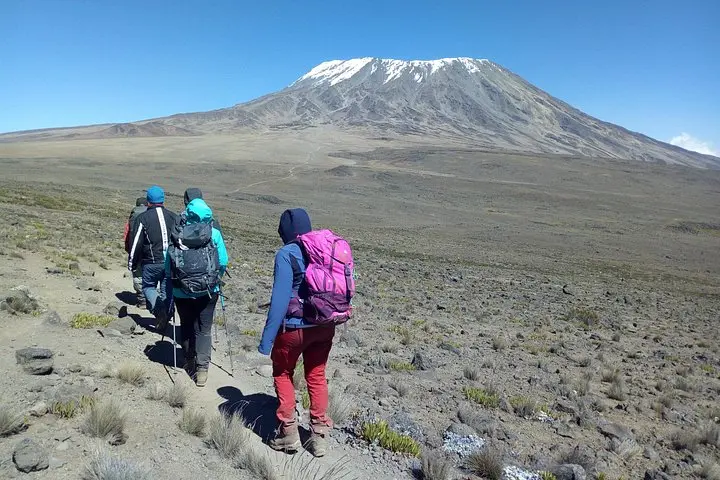
Dawn on the Rongai trail arrives cold and sharp. Headlamps blink in a loose caravan, porters’ laughter slipping through stands of eucalyptus as you leave Moshi’s coffee terraces and climb into a forest still damp with night. The path opens, the forest thins, and the Kenyan plains unroll to the north—this is a climb that eases you into altitude rather than throwing you at it.
Verified experiences and guided adventures in the surrounding area.
Operated by Kilele Climb Tours Co Ltd · Moshi, Kilimanjaro Region
Dawn on the Rongai trail arrives cold and sharp. Headlamps blink in a loose caravan, porters’ laughter slipping through stands of eucalyptus as you leave Moshi’s coffee terraces and climb into a forest still damp with night. The path opens, the forest thins, and the Kenyan plains unroll to the north—this is a climb that eases you into altitude rather than throwing you at it.
Geologically, Kilimanjaro is a composite of three volcanic cones—Kibo, Mawenzi and Shira—Kibo housing the crater that holds Uhuru Peak. The Rongai route approaches from the northeast, crossing montane forest into moorland and then the high alpine desert; its northern exposure often means less crowds and a more gradual acclimatization profile than southern approaches. Culturally, the climb threads through Chagga agricultural land where coffee and banana terraces feed Moshi, and the guides and porters are often from local communities whose knowledge of the mountain is centuries deep.
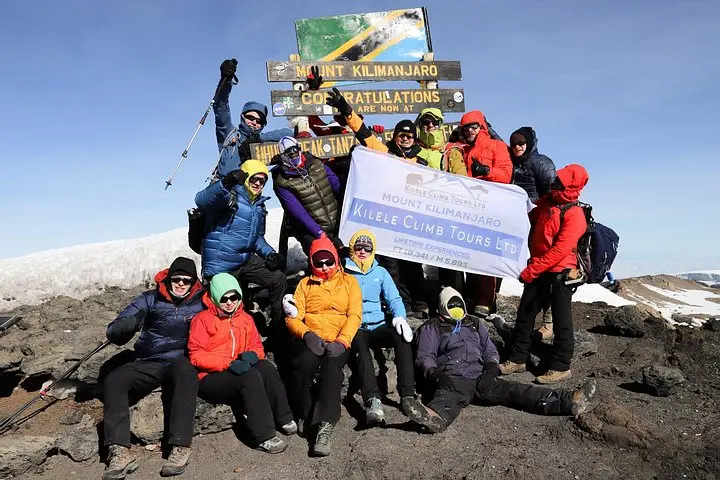
The itinerary is clear and purposeful: day one, a steady 7km climb from the Rongai gate to Simba Camp (1,950m to ~2,600m, 4–5 hours). Day two stretches 18km to Kikelewa Camp across moorland (to ~3,600m, 8–9 hours). Short, steep gains put you beneath the Mawenzi spires on day three, then a lunar saddle on day four leads to Kibo Huts at nearly 4,700m. Summit night begins around midnight: 4km of grinding ascent to Gilman’s Point and Uhuru Peak (5,895m), then a long descent through Kibo and Horombo to Marangu gate and a return to Moshi on day six.
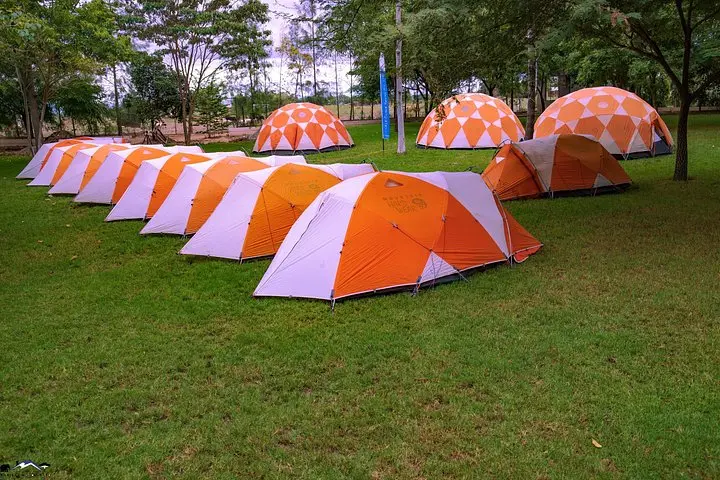
Practicalities matter here. Altitude decides your success more than speed; the Rongai route’s extra days and gentle grades help but don’t remove the need for respect. Guides carry pulse oximeters and oxygen; crews handle camp logistics and meals. Park permits, tented gear and transfers from Moshi are included in the package, but you are responsible for good footwear, layered clothing and a realistic training base.
Plan for exposed afternoons and freezing summit nights. Hydrate early and often, and treat altitude symptoms seriously—descend if dizziness, severe breathlessness or confusion appear. Tip generously: porters work long shifts and fair wages are already included, but small gestures at the end are customary.
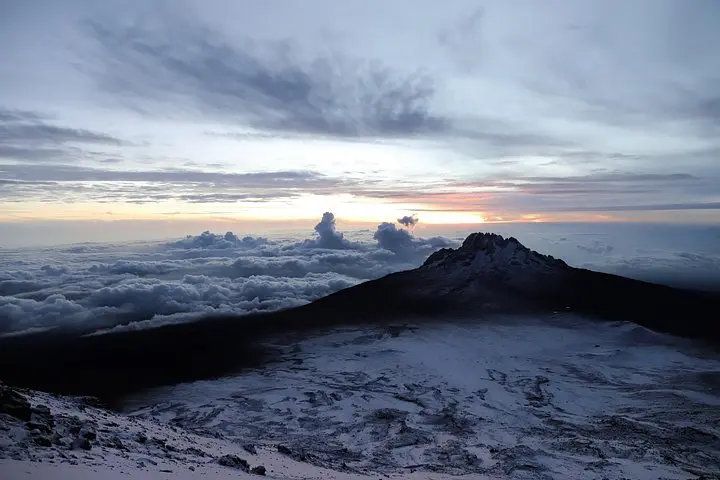
When the summit delivers its thin-air sunrise, the view is elemental: the crater’s ice to one side, the plains and clouds below the other. Few climbs combine cultural contact, a varied landscape and a pragmatic summit strategy as neatly as Rongai—arrive prepared, travel respectfully and the mountain will give you one of East Africa’s most honest accomplishments.
No technical climbing skills are required, but prior long-day hiking experience and altitude awareness are strongly recommended.
Success varies with fitness and acclimatization; Rongai’s gentler profile improves odds versus shorter itineraries, but weather and altitude still influence outcomes.
Yes—this tour includes Kilimanjaro National Park fees, camping fees and necessary permits as part of the package.
A common guideline is $15–25 per day for guides and $8–12 per porter per day; adjust based on service and group size.
Dry months—January–March and June–October—offer more stable conditions; summit weather can still be unpredictable any time of year.
Guides carry pulse oximeters and portable oxygen; serious medical evacuation requires descent and coordination with park authorities.
Kilele Climb Tours Co Ltd operates guided outdoor trips and adventures with an emphasis on safety, stewardship, and memorable experiences.
Dawn on the Rongai trail arrives cold and sharp. Headlamps blink in a loose caravan, porters’ laughter slipping through stands of eucalyptus as you leave Moshi’s coffee terraces and climb into a forest still damp with night. The path opens, the forest thins, and the Kenyan plains unroll to the north—this is a climb that eases you into altitude rather than throwing you at it.
Dawn on the Rongai trail arrives cold and sharp. Headlamps blink in a loose caravan, porters’ laughter slipping through stands of eucalyptus as you leave Moshi’s coffee terraces and climb into a forest still damp with night. The path opens, the forest thins, and the Kenyan plains unroll to the north—this is a climb that eases you into altitude rather than throwing you at it.
Geologically, Kilimanjaro is a composite of three volcanic cones—Kibo, Mawenzi and Shira—Kibo housing the crater that holds Uhuru Peak. The Rongai route approaches from the northeast, crossing montane forest into moorland and then the high alpine desert; its northern exposure often means less crowds and a more gradual acclimatization profile than southern approaches. Culturally, the climb threads through Chagga agricultural land where coffee and banana terraces feed Moshi, and the guides and porters are often from local communities whose knowledge of the mountain is centuries deep.
The itinerary is clear and purposeful: day one, a steady 7km climb from the Rongai gate to Simba Camp (1,950m to ~2,600m, 4–5 hours). Day two stretches 18km to Kikelewa Camp across moorland (to ~3,600m, 8–9 hours). Short, steep gains put you beneath the Mawenzi spires on day three, then a lunar saddle on day four leads to Kibo Huts at nearly 4,700m. Summit night begins around midnight: 4km of grinding ascent to Gilman’s Point and Uhuru Peak (5,895m), then a long descent through Kibo and Horombo to Marangu gate and a return to Moshi on day six.
Practicalities matter here. Altitude decides your success more than speed; the Rongai route’s extra days and gentle grades help but don’t remove the need for respect. Guides carry pulse oximeters and oxygen; crews handle camp logistics and meals. Park permits, tented gear and transfers from Moshi are included in the package, but you are responsible for good footwear, layered clothing and a realistic training base.
Plan for exposed afternoons and freezing summit nights. Hydrate early and often, and treat altitude symptoms seriously—descend if dizziness, severe breathlessness or confusion appear. Tip generously: porters work long shifts and fair wages are already included, but small gestures at the end are customary.
When the summit delivers its thin-air sunrise, the view is elemental: the crater’s ice to one side, the plains and clouds below the other. Few climbs combine cultural contact, a varied landscape and a pragmatic summit strategy as neatly as Rongai—arrive prepared, travel respectfully and the mountain will give you one of East Africa’s most honest accomplishments.