THE ADVENTURE COLLECTIVE® · Independent discovery and booking for outdoor travel

A compact six-day private circuit through Tunisia's coastal cities, Roman sites, oasis towns and Sahara dunes. Expect city medina walks, archaeological terraces and a sunset camel ride across the Erg.
A compact six-day private circuit through Tunisia's coastal cities, Roman sites, oasis towns and Sahara dunes. Expect city medina walks, archaeological terraces and a sunset camel ride across the Erg.
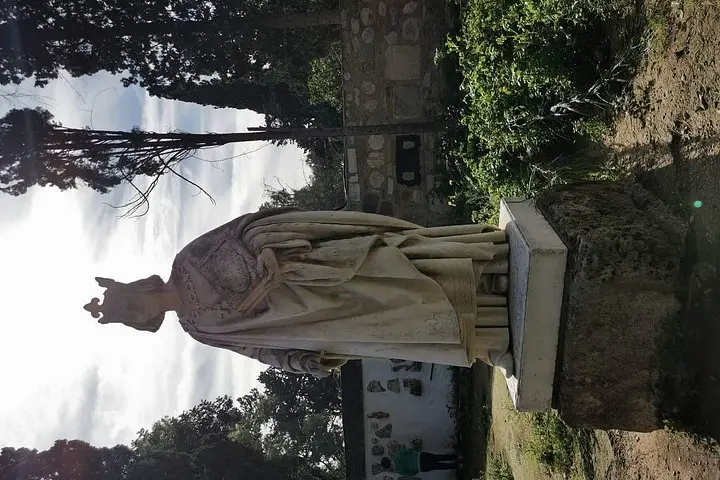
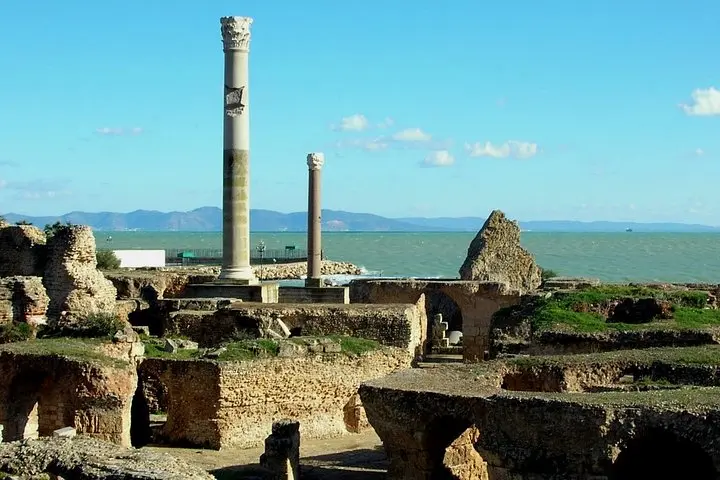
You step out of the van at dawn and the air tastes of sea and citrus — white houses and a blue-hued kafala give way to rolling olive groves, then limestone that hardens into Roman mosaics. Over six days this private tour moves like a stitched map: Carthage’s Byrsa hill and the Bardo’s mosaics, the blue of Sidi Bou Said, the Ottoman and French traces in Tunis, then inland to Roman Dougga, the holy city of Kairouan, and finally the stark, shifting dunes of the Sahara at Douz and the salt flats of Tozeur.
Verified experiences and guided adventures in the surrounding area.
Operated by Tekiki Tours · Tunis, Tunis Governorate
You step out of the van at dawn and the air tastes of sea and citrus — white houses and a blue-hued kafala give way to rolling olive groves, then limestone that hardens into Roman mosaics. Over six days this private tour moves like a stitched map: Carthage’s Byrsa hill and the Bardo’s mosaics, the blue of Sidi Bou Said, the Ottoman and French traces in Tunis, then inland to Roman Dougga, the holy city of Kairouan, and finally the stark, shifting dunes of the Sahara at Douz and the salt flats of Tozeur.
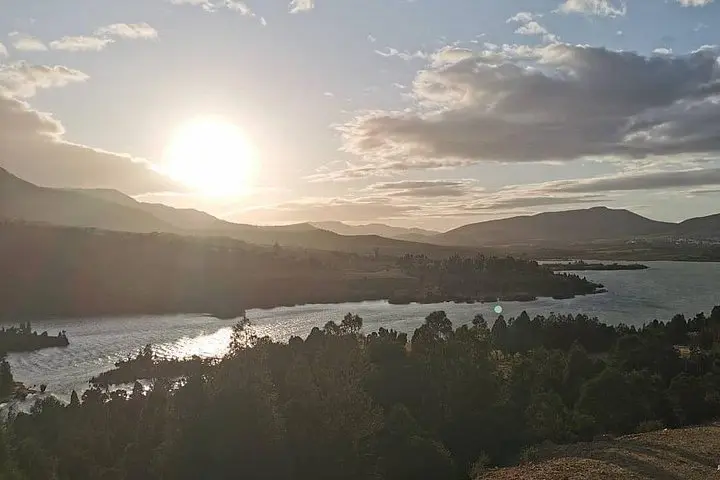
Tunisia is a crossroads: Punic and Roman layers sit on top of Berber cultural landscapes, while the Atlas foothills feed seasonal streams that once traced the bottom of the Tethys Sea. Geology is evident — coastal limestone, central plains, and southern ergs whose dunes rise tens of meters and change with each wind. Local life alternates between medina bustle and oasis agriculture; pottery workshops and flamingo-studded lagoons punctuate the route.
Practically, expect a mix of short city walks (1–3 km through medinas, uneven cobbles), light hikes around archaeological terraces, and off-road desert driving with a brief camel ride at sunset (typically 30–60 minutes). Elevation gain is modest — most sites sit at sea level to a few hundred meters — but desert heat and sun exposure are the real challenge. Carry 2–3 liters of water, a wide-brim hat, sturdy walking shoes with good grip for rocky ruins, and a lightweight layer for cool desert nights. Start early for archaeology visits and late afternoon for better desert light; respect mosque etiquette in Kairouan and bring cash for small vendors.
This itinerary is offered as a private tour so the group and pace are customized to your party.
Most days involve short to moderate walking (1–3 km) around sites; no technical hiking or climbing is required.
Breakfast is included each day; other meals and snacks are typically at your expense unless stated by the operator.
Visa requirements depend on your nationality; many countries receive a visa on arrival for short stays—check Tunisia's consulate guidance before travel.
Tekiki Tours operates guided outdoor trips and adventures with an emphasis on safety, stewardship, and memorable experiences.

You step out of the van at dawn and the air tastes of sea and citrus — white houses and a blue-hued kafala give way to rolling olive groves, then limestone that hardens into Roman mosaics. Over six days this private tour moves like a stitched map: Carthage’s Byrsa hill and the Bardo’s mosaics, the blue of Sidi Bou Said, the Ottoman and French traces in Tunis, then inland to Roman Dougga, the holy city of Kairouan, and finally the stark, shifting dunes of the Sahara at Douz and the salt flats of Tozeur.
You step out of the van at dawn and the air tastes of sea and citrus — white houses and a blue-hued kafala give way to rolling olive groves, then limestone that hardens into Roman mosaics. Over six days this private tour moves like a stitched map: Carthage’s Byrsa hill and the Bardo’s mosaics, the blue of Sidi Bou Said, the Ottoman and French traces in Tunis, then inland to Roman Dougga, the holy city of Kairouan, and finally the stark, shifting dunes of the Sahara at Douz and the salt flats of Tozeur.
Tunisia is a crossroads: Punic and Roman layers sit on top of Berber cultural landscapes, while the Atlas foothills feed seasonal streams that once traced the bottom of the Tethys Sea. Geology is evident — coastal limestone, central plains, and southern ergs whose dunes rise tens of meters and change with each wind. Local life alternates between medina bustle and oasis agriculture; pottery workshops and flamingo-studded lagoons punctuate the route.
Practically, expect a mix of short city walks (1–3 km through medinas, uneven cobbles), light hikes around archaeological terraces, and off-road desert driving with a brief camel ride at sunset (typically 30–60 minutes). Elevation gain is modest — most sites sit at sea level to a few hundred meters — but desert heat and sun exposure are the real challenge. Carry 2–3 liters of water, a wide-brim hat, sturdy walking shoes with good grip for rocky ruins, and a lightweight layer for cool desert nights. Start early for archaeology visits and late afternoon for better desert light; respect mosque etiquette in Kairouan and bring cash for small vendors.