THE ADVENTURE COLLECTIVE® · Independent discovery and booking for outdoor travel

Spend a half-day exploring Montenegro’s Skadar Lake from Virpazar: short boat rides through reed channels, close views of Dalmatian pelicans, and riverside restaurants. This private tour pairs shore stops with a guided hour on the water for focused wildlife watching.
Spend a half-day exploring Montenegro’s Skadar Lake from Virpazar: short boat rides through reed channels, close views of Dalmatian pelicans, and riverside restaurants. This private tour pairs shore stops with a guided hour on the water for focused wildlife watching.
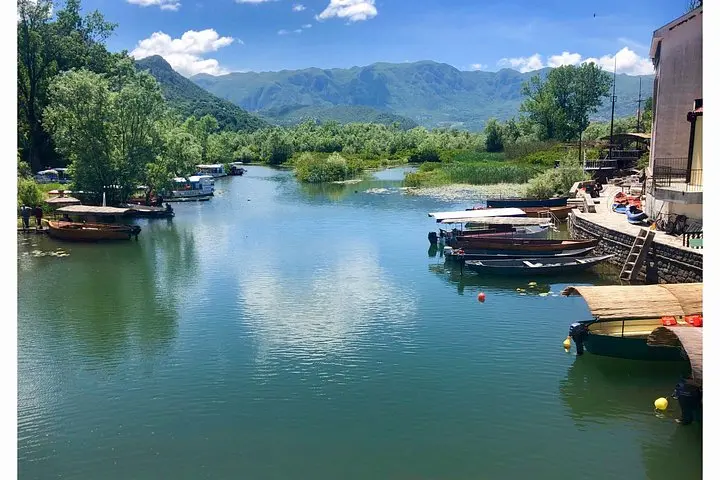
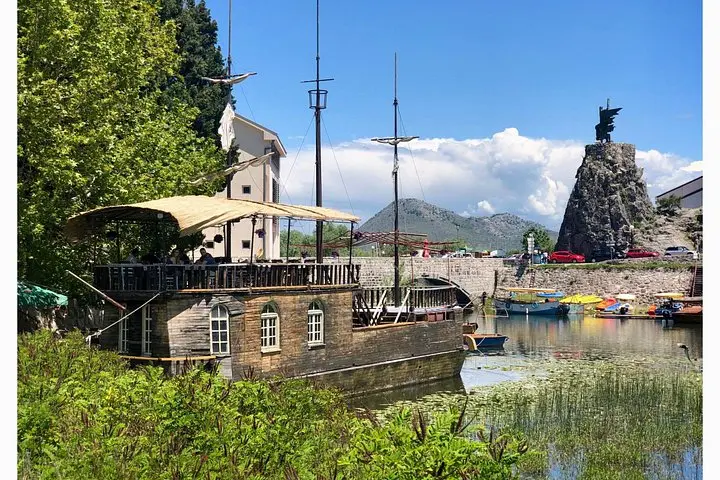
You step off the air-conditioned vehicle into the hush of reeds and slow water — Virpazar’s wooden piers creak, gulls wheel, and the lake opens like a cool, inland sea.
Verified experiences and guided adventures in the surrounding area.
Operated by MiS Travel Agency · Virpazar, Bar Municipality
You step off the air-conditioned vehicle into the hush of reeds and slow water — Virpazar’s wooden piers creak, gulls wheel, and the lake opens like a cool, inland sea.
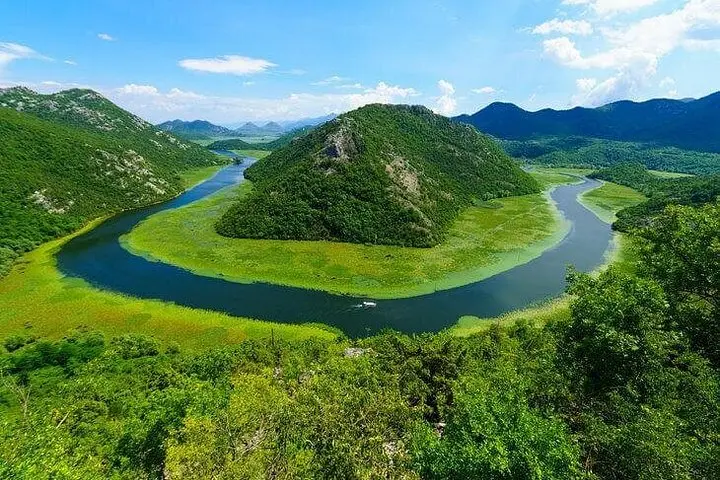
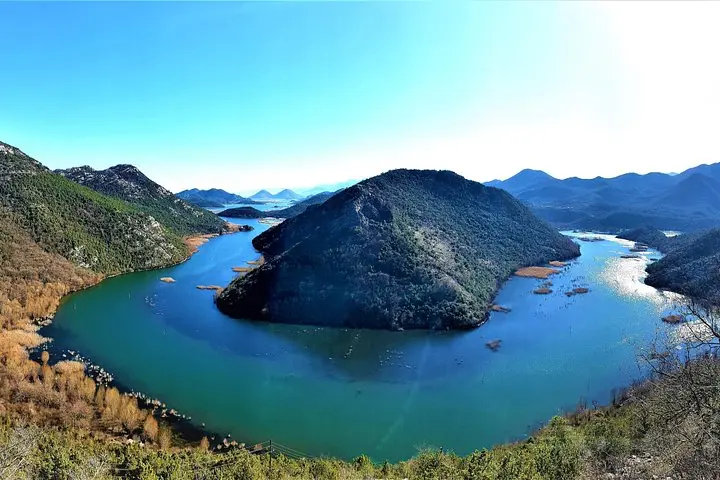
Skadar Lake, the largest freshwater body in Southeast Europe, sits between Montenegro and Albania. Geologically it’s a cryptodepression: its surface a few metres above sea level while deep holes plunge tens of metres below. On the Montenegrin side, protected as a national park since 1983, reedbeds and flooded willow groves shape a patchwork of channels where Dalmatian pelicans and marsh birds hunt.
Culturally the area blends riverine fishing communities and Ottoman-era villages; tavernas in Virpazar serve slow-cooked fish stews and local wines that reflect the lake’s rhythms. A short boat ride (often offered as part of private tours) threads narrow channels and opens to wide bays, a practical way to see bird colonies up close without disturbing nests.
Plan for a 6–7 hour excursion if you’re traveling from Kotor, Budva or Tivat. Bring binoculars and a camera with zoom, sun protection, and insect repellent for sheltered reed channels. Timing matters: early morning or late afternoon are the most active for wildlife and the light is best for photos. Local guides keep groups small and control approach distances to birds; respect no-landing zones and avoid loud noise.
Practical tips: carry cash for village restaurants, dress in layers for lake breezes, and leave no trace—this is a fragile wetlands system where small choices have big conservation effects.
Tours typically include a 1–2 hour boat ride through reed channels and open bays; the full private tour runs about 6–7 hours including transfers and stops.
Pelicans are common but sightings depend on season and time of day; early morning and late afternoon increase chances.
Bottled water is usually provided, but lake-side restaurant meals are paid separately — bring cash for small tavernas.
Yes — the route is described as physically easy, though boat boarding may require a step; wheelchair access should be confirmed in advance.
MiS Travel Agency operates guided outdoor trips and adventures with an emphasis on safety, stewardship, and memorable experiences.
You step off the air-conditioned vehicle into the hush of reeds and slow water — Virpazar’s wooden piers creak, gulls wheel, and the lake opens like a cool, inland sea.
You step off the air-conditioned vehicle into the hush of reeds and slow water — Virpazar’s wooden piers creak, gulls wheel, and the lake opens like a cool, inland sea.
Skadar Lake, the largest freshwater body in Southeast Europe, sits between Montenegro and Albania. Geologically it’s a cryptodepression: its surface a few metres above sea level while deep holes plunge tens of metres below. On the Montenegrin side, protected as a national park since 1983, reedbeds and flooded willow groves shape a patchwork of channels where Dalmatian pelicans and marsh birds hunt.
Culturally the area blends riverine fishing communities and Ottoman-era villages; tavernas in Virpazar serve slow-cooked fish stews and local wines that reflect the lake’s rhythms. A short boat ride (often offered as part of private tours) threads narrow channels and opens to wide bays, a practical way to see bird colonies up close without disturbing nests.
Plan for a 6–7 hour excursion if you’re traveling from Kotor, Budva or Tivat. Bring binoculars and a camera with zoom, sun protection, and insect repellent for sheltered reed channels. Timing matters: early morning or late afternoon are the most active for wildlife and the light is best for photos. Local guides keep groups small and control approach distances to birds; respect no-landing zones and avoid loud noise.
Practical tips: carry cash for village restaurants, dress in layers for lake breezes, and leave no trace—this is a fragile wetlands system where small choices have big conservation effects.