THE ADVENTURE COLLECTIVE® · Independent discovery and booking for outdoor travel

Grab a sketchbook and the iconic Grand Central clock for a 90-minute, beginner-friendly workshop that teaches fast observational drawing. Learn perspective, proportion, and gesture while working in one of New York’s busiest Beaux-Arts spaces.
Grab a sketchbook and the iconic Grand Central clock for a 90-minute, beginner-friendly workshop that teaches fast observational drawing. Learn perspective, proportion, and gesture while working in one of New York’s busiest Beaux-Arts spaces.
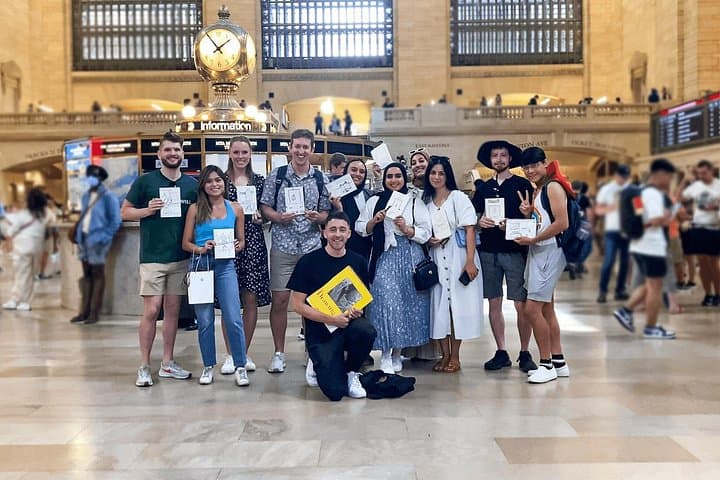
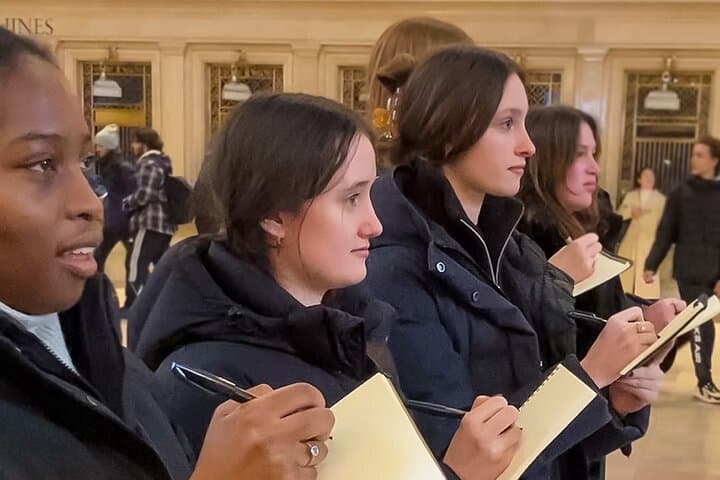
You stand beneath the Main Concourse clock as sunlight slices through the high arched windows and the terminal hums like a city engine. The instructor hands you a sketchbook and a pen; for the next 90 minutes the station becomes both studio and subject — vaulted ceilings daring you to lift your gaze, brass railings guiding your line work, commuters forming quick studies of motion.
Verified experiences and guided adventures in the surrounding area.
Operated by Kevin Zych · New York, NY
You stand beneath the Main Concourse clock as sunlight slices through the high arched windows and the terminal hums like a city engine. The instructor hands you a sketchbook and a pen; for the next 90 minutes the station becomes both studio and subject — vaulted ceilings daring you to lift your gaze, brass railings guiding your line work, commuters forming quick studies of motion.
Grand Central Terminal is a 1913 Beaux-Arts landmark: marble floors, astronomical ceiling, and a history of transportation and urban life that feeds the workshop’s lessons. Rather than geology, the class teaches you to see architecture’s planes and rhythms; instead of landscape lore, you learn how light and movement in a busy public space shape quick observational drawing.
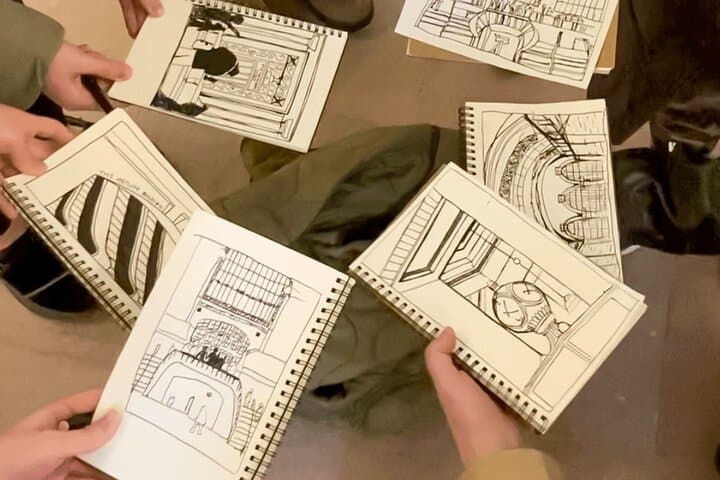
The session is designed for complete beginners and covers three practical exercises that build confidence in proportion, perspective, and gesture. Materials are provided, so you can focus on timing, mark-making, and using negative space to suggest crowds and detail.
Practical guidance: arrive 10 minutes early to secure the meeting point at the clock facing the Apple Store; bring comfortable shoes for standing and a reusable water bottle. Expect light walking around the concourse and short seated breaks. Classes run year-round and are wheelchair accessible, but seating is limited in the terminal; quieter corners are scarce on busy days.
By the end, you’ll have several finished sketches and a method you can carry to other New York landmarks: the city itself becomes a subject you can capture quickly and confidently.
Meet under the Main Concourse clock on the side facing the Apple Store in Grand Central Terminal; the instructor will greet the group there.
Yes—simple sketchbooks and pens are provided, so you only need to bring yourself and anything extra you prefer.
Yes, Grand Central and this activity are wheelchair accessible, but note that the terminal has limited seating and some vantage points require short walks.
Absolutely—this class is designed for beginners and teaches foundational techniques you can use immediately.
Kevin Zych operates guided outdoor trips and adventures with an emphasis on safety, stewardship, and memorable experiences.

You stand beneath the Main Concourse clock as sunlight slices through the high arched windows and the terminal hums like a city engine. The instructor hands you a sketchbook and a pen; for the next 90 minutes the station becomes both studio and subject — vaulted ceilings daring you to lift your gaze, brass railings guiding your line work, commuters forming quick studies of motion.
You stand beneath the Main Concourse clock as sunlight slices through the high arched windows and the terminal hums like a city engine. The instructor hands you a sketchbook and a pen; for the next 90 minutes the station becomes both studio and subject — vaulted ceilings daring you to lift your gaze, brass railings guiding your line work, commuters forming quick studies of motion.
Grand Central Terminal is a 1913 Beaux-Arts landmark: marble floors, astronomical ceiling, and a history of transportation and urban life that feeds the workshop’s lessons. Rather than geology, the class teaches you to see architecture’s planes and rhythms; instead of landscape lore, you learn how light and movement in a busy public space shape quick observational drawing.
The session is designed for complete beginners and covers three practical exercises that build confidence in proportion, perspective, and gesture. Materials are provided, so you can focus on timing, mark-making, and using negative space to suggest crowds and detail.
Practical guidance: arrive 10 minutes early to secure the meeting point at the clock facing the Apple Store; bring comfortable shoes for standing and a reusable water bottle. Expect light walking around the concourse and short seated breaks. Classes run year-round and are wheelchair accessible, but seating is limited in the terminal; quieter corners are scarce on busy days.
By the end, you’ll have several finished sketches and a method you can carry to other New York landmarks: the city itself becomes a subject you can capture quickly and confidently.