THE ADVENTURE COLLECTIVE® · Independent discovery and booking for outdoor travel

Trade resort lifts for skintracks and wide alpine faces: guided ski touring in the Julian Alps from Bled delivers long ascents, technical descents, and authentic backcountry coaching. Learn what to expect, how to prepare, and local insights for a safe day in Slovenia’s winter high country.
Trade resort lifts for skintracks and wide alpine faces: guided ski touring in the Julian Alps from Bled delivers long ascents, technical descents, and authentic backcountry coaching. Learn what to expect, how to prepare, and local insights for a safe day in Slovenia’s winter high country.
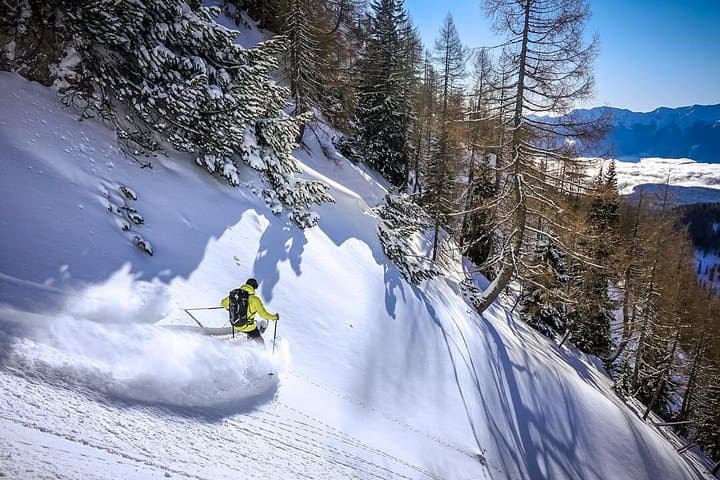
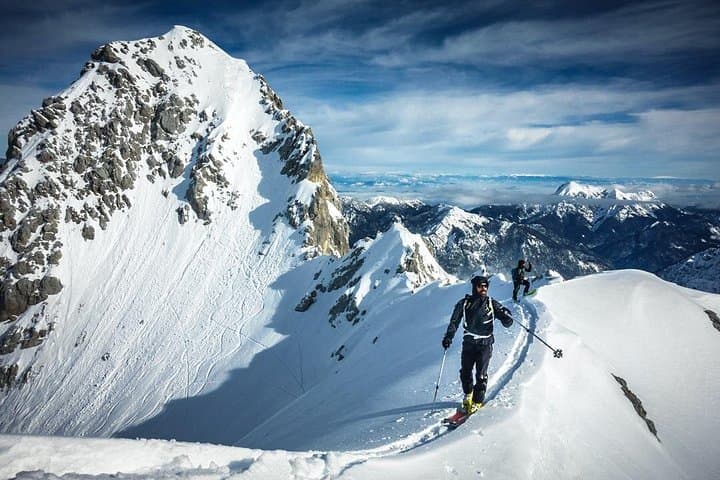
A cold wind carries the scent of crushed snow as you step out of the minivan near a high alpine pasture. The Julian Alps loom—steep limestone ridges and broad snowfields—inviting a steady skintrack upward while glacier-sculpted couloirs promise fast, clean turns on the descent.
Verified experiences and guided adventures in the surrounding area.
Operated by Altitude Activities · Bled, Upper Carniola
A cold wind carries the scent of crushed snow as you step out of the minivan near a high alpine pasture. The Julian Alps loom—steep limestone ridges and broad snowfields—inviting a steady skintrack upward while glacier-sculpted couloirs promise fast, clean turns on the descent.
Geology here is sharp: the Julian range is part of the Southern Limestone Alps, carved by ice and shaped by rapid uplift. Human history is quieter but present—small alpine shepherding traditions and Slovenia’s long mountain-guiding culture. Triglav National Park lies nearby, and local guides blend modern avalanche science with centuries of route knowledge.
Expect varied terrain: forested approaches that open to exposed ridgelines, moraine scars, and occasional wind-packed faces. Typical guided days from Bled run 6–10 hours and commonly see 700–1,200 m of elevation gain and 6–12 km of travel depending on objective and snowpack. Avalanche risk is real—guided parties move conservatively and practice beacon checks and probe lines.
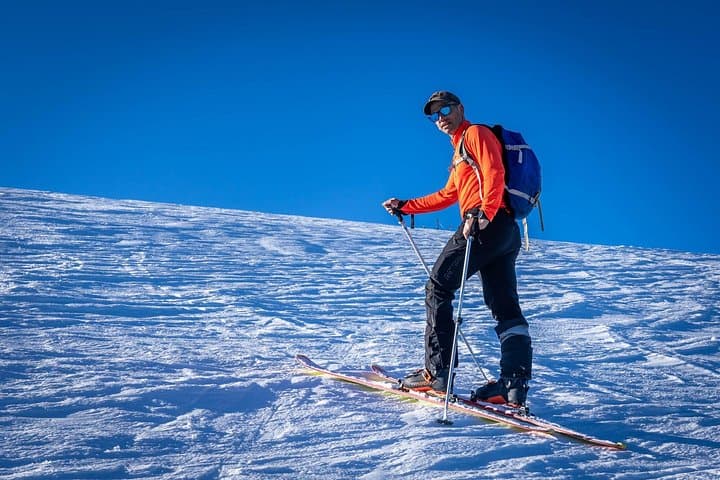
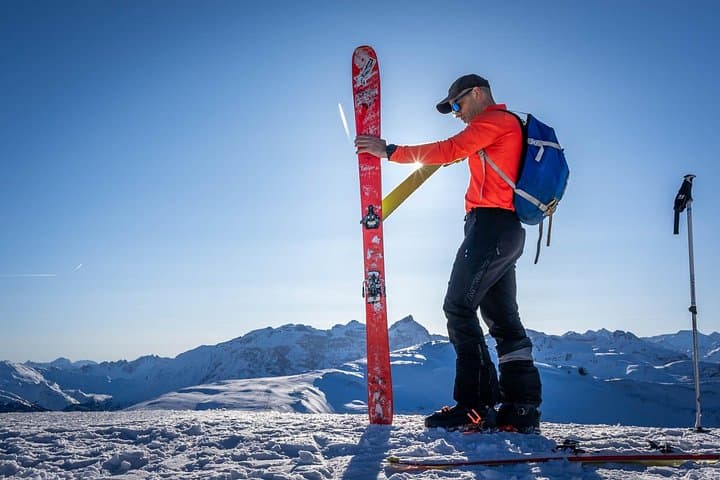
Practical guidance: arrive with layered, waterproof outerwear, upright ski-touring boots, and a reliable backpack. Hydrate well—1.5 L is a baseline in cold, dry air—and carry high-calorie snacks. Follow your guide’s briefing on travel order and rescue procedures; modern guided trips include transport to the start, a certified IFMGA guide, and complimentary photos, but always confirm gear inclusions before you go.
A day here rewards steady pacing: the climb tests endurance, the summit view repairs it, and the first fresh turns down an alpine flank are the reason many travel to these peaks.
No—guided trips welcome intermediates, but you must be competent on skis, physically fit, and comfortable with long uphill skinning.
Guides provide an avalanche safety kit and include companion-rescue instruction, but bringing and knowing your own beacon is recommended.
Operators may postpone or cancel due to unsafe conditions; confirm the 24-hour cancellation policy and maintain flexible travel plans.
Expect 6–10 hours with 700–1,200 m of elevation gain depending on objective and snow conditions.
Altitude Activities operates guided outdoor trips and adventures with an emphasis on safety, stewardship, and memorable experiences.
A cold wind carries the scent of crushed snow as you step out of the minivan near a high alpine pasture. The Julian Alps loom—steep limestone ridges and broad snowfields—inviting a steady skintrack upward while glacier-sculpted couloirs promise fast, clean turns on the descent.
A cold wind carries the scent of crushed snow as you step out of the minivan near a high alpine pasture. The Julian Alps loom—steep limestone ridges and broad snowfields—inviting a steady skintrack upward while glacier-sculpted couloirs promise fast, clean turns on the descent.
Geology here is sharp: the Julian range is part of the Southern Limestone Alps, carved by ice and shaped by rapid uplift. Human history is quieter but present—small alpine shepherding traditions and Slovenia’s long mountain-guiding culture. Triglav National Park lies nearby, and local guides blend modern avalanche science with centuries of route knowledge.
Expect varied terrain: forested approaches that open to exposed ridgelines, moraine scars, and occasional wind-packed faces. Typical guided days from Bled run 6–10 hours and commonly see 700–1,200 m of elevation gain and 6–12 km of travel depending on objective and snowpack. Avalanche risk is real—guided parties move conservatively and practice beacon checks and probe lines.
Practical guidance: arrive with layered, waterproof outerwear, upright ski-touring boots, and a reliable backpack. Hydrate well—1.5 L is a baseline in cold, dry air—and carry high-calorie snacks. Follow your guide’s briefing on travel order and rescue procedures; modern guided trips include transport to the start, a certified IFMGA guide, and complimentary photos, but always confirm gear inclusions before you go.
A day here rewards steady pacing: the climb tests endurance, the summit view repairs it, and the first fresh turns down an alpine flank are the reason many travel to these peaks.