THE ADVENTURE COLLECTIVE® · Independent discovery and booking for outdoor travel

Skip the queue and move straight into Lunugamvehera’s mosaic of reservoir, marsh, and elephant corridor. This entrance ticket gives fast access to a park where waterbirds, marshlands, and migrating elephants shape the day’s rhythm.
Skip the queue and move straight into Lunugamvehera’s mosaic of reservoir, marsh, and elephant corridor. This entrance ticket gives fast access to a park where waterbirds, marshlands, and migrating elephants shape the day’s rhythm.
You step out of the jeep onto a sun-warmed track and the reservoir opens ahead — a low, shimmering sheet that draws in wagtails and painted storks. The air smells faintly of mud and dry grass; somewhere close a herd’s rumble mixes with the staccato call of kingfishers daring the shallows. This is Lunugamvehera National Park: a working catchment and a wildlife corridor where elephants move between protected blocks and waterbirds stake temporary territory.
Verified experiences and guided adventures in the surrounding area.
Operated by Lakpura LLC · Tissamaharama, Uva Province
You step out of the jeep onto a sun-warmed track and the reservoir opens ahead — a low, shimmering sheet that draws in wagtails and painted storks. The air smells faintly of mud and dry grass; somewhere close a herd’s rumble mixes with the staccato call of kingfishers daring the shallows. This is Lunugamvehera National Park: a working catchment and a wildlife corridor where elephants move between protected blocks and waterbirds stake temporary territory.
Declared in 1995 to protect the Lunugamvehera reservoir and downstream wetlands, the park’s plains and scrub lie on ancient alluvial terraces and seasonal marshes fed by Kirindi Oya. Geologically simple but ecologically vital, the basin maintains water levels for wetlands farther south, and culturally the area supports agrarian villages that watch elephant movements closely.
Expect broad, open drives with patches of dense thorn scrubs, marsh edges crowded with waders, and elephants grazing at dawn and dusk. Birding is excellent; spotting reptiles and marsh mammals is common near water. Practicalities: exchange your Viator/TripAdvisor voucher at the start point for an official ticket, arrive early to catch active wildlife, and keep cameras ready — animals often appear at the water’s edge.
Bring hydration and sun protection: shade is limited along many tracks. Guides are familiar with elephant corridors and will plan routes to minimize disturbance. Note medical and fitness advisories (not recommended for pregnant travelers or those with serious back or heart issues). With a skip-the-line ticket you trade queues for roadside views — it’s straightforward access to an often-overlooked but crucial slice of Sri Lanka’s wild south.
Bring either the mobile voucher or a printed copy and exchange it at the meeting point for the official Lunugamvehera entrance ticket.
This product covers the park entrance; private safari arrangements may be offered separately — confirm whether your booking includes a vehicle and guide.
Early morning and late afternoon offer the most activity from elephants and waterbirds; mid-morning to midday is quieter and hotter.
Short game drives are suitable for many ages, but the park is not recommended for pregnant travelers or those with serious back or cardiovascular conditions.
Lakpura LLC operates guided outdoor trips and adventures with an emphasis on safety, stewardship, and memorable experiences.
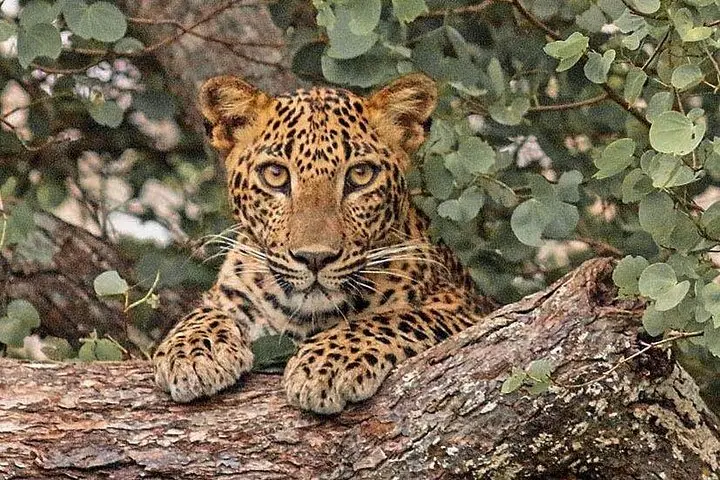
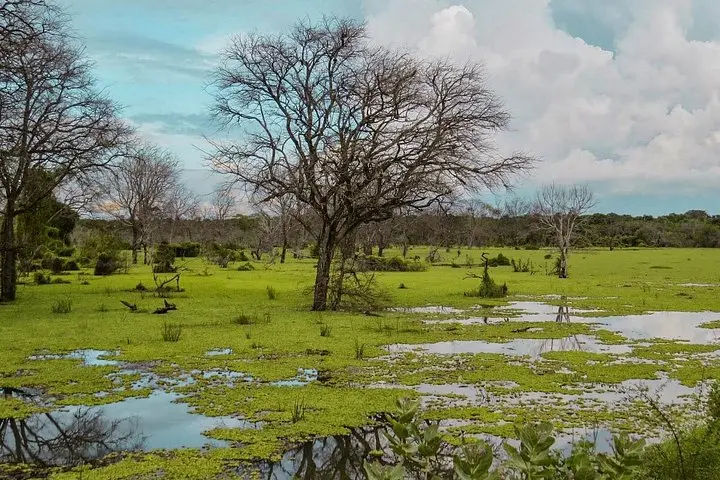
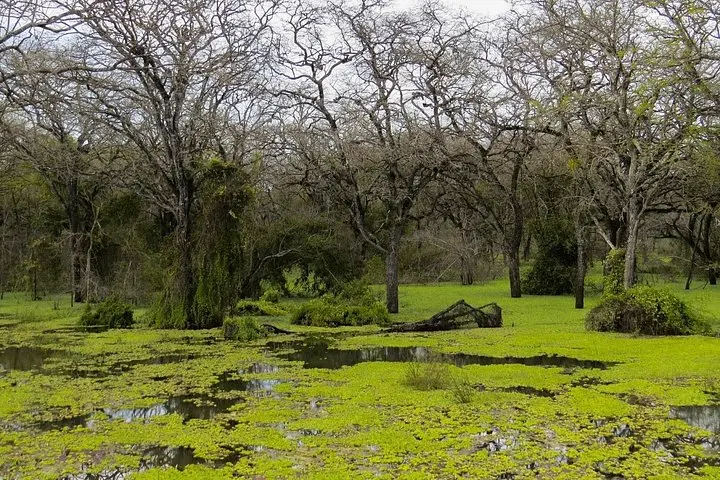
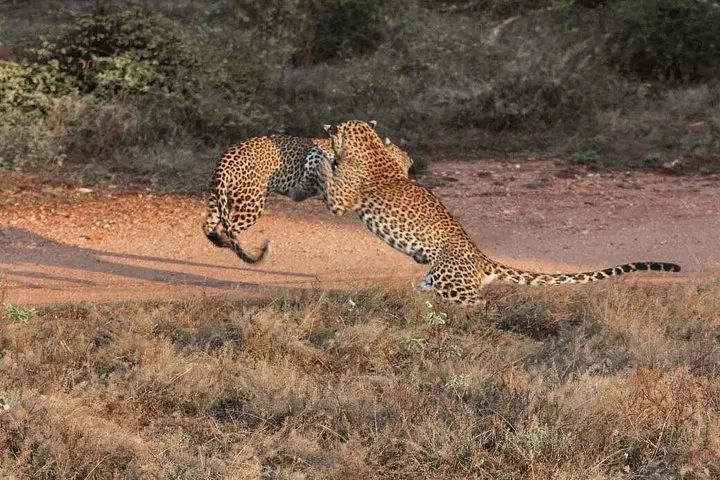
You step out of the jeep onto a sun-warmed track and the reservoir opens ahead — a low, shimmering sheet that draws in wagtails and painted storks. The air smells faintly of mud and dry grass; somewhere close a herd’s rumble mixes with the staccato call of kingfishers daring the shallows. This is Lunugamvehera National Park: a working catchment and a wildlife corridor where elephants move between protected blocks and waterbirds stake temporary territory.
You step out of the jeep onto a sun-warmed track and the reservoir opens ahead — a low, shimmering sheet that draws in wagtails and painted storks. The air smells faintly of mud and dry grass; somewhere close a herd’s rumble mixes with the staccato call of kingfishers daring the shallows. This is Lunugamvehera National Park: a working catchment and a wildlife corridor where elephants move between protected blocks and waterbirds stake temporary territory.
Declared in 1995 to protect the Lunugamvehera reservoir and downstream wetlands, the park’s plains and scrub lie on ancient alluvial terraces and seasonal marshes fed by Kirindi Oya. Geologically simple but ecologically vital, the basin maintains water levels for wetlands farther south, and culturally the area supports agrarian villages that watch elephant movements closely.
Expect broad, open drives with patches of dense thorn scrubs, marsh edges crowded with waders, and elephants grazing at dawn and dusk. Birding is excellent; spotting reptiles and marsh mammals is common near water. Practicalities: exchange your Viator/TripAdvisor voucher at the start point for an official ticket, arrive early to catch active wildlife, and keep cameras ready — animals often appear at the water’s edge.
Bring hydration and sun protection: shade is limited along many tracks. Guides are familiar with elephant corridors and will plan routes to minimize disturbance. Note medical and fitness advisories (not recommended for pregnant travelers or those with serious back or heart issues). With a skip-the-line ticket you trade queues for roadside views — it’s straightforward access to an often-overlooked but crucial slice of Sri Lanka’s wild south.