THE ADVENTURE COLLECTIVE® · Independent discovery and booking for outdoor travel

Skip long lines and city logistics with a private guided visit to the Met Cloisters and—optionally—the Met Fifth Avenue. This car-inclusive tour pairs medieval gardens and manuscripts with world-class galleries for a compact, transport-friendly day in Manhattan.
Skip long lines and city logistics with a private guided visit to the Met Cloisters and—optionally—the Met Fifth Avenue. This car-inclusive tour pairs medieval gardens and manuscripts with world-class galleries for a compact, transport-friendly day in Manhattan.
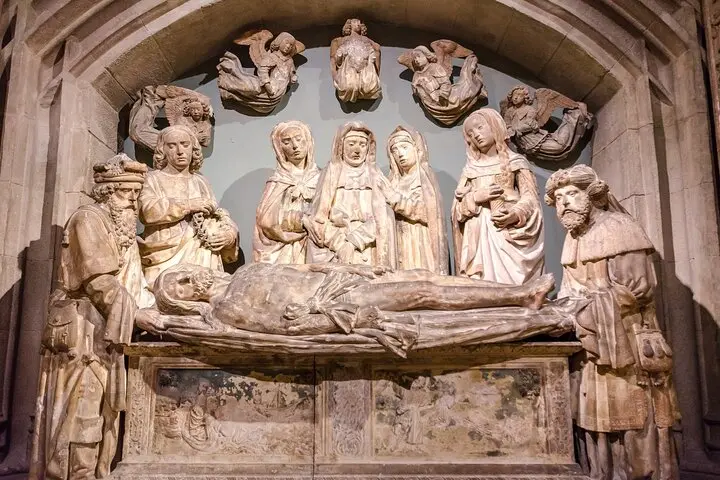
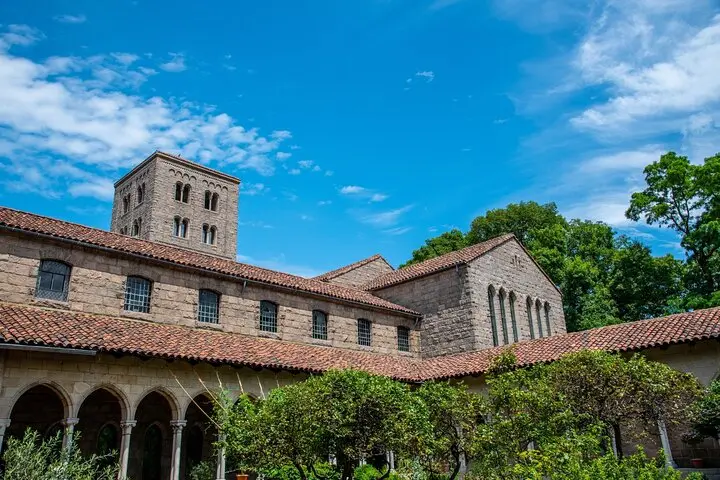
A late-morning sun cuts across the Hudson and the stone walkways of Fort Tryon Park as your guide waits beside the St. Frances Cabrini Shrine. The Cloisters sits like a medieval compound transplanted to Manhattan: stone archways, herb beds, and cloistered courtyards that frame sweeping river views. Inside, glass and wood temper the hush as carved capitals, tapestries, and illuminated manuscripts hold fast against time.
Verified experiences and guided adventures in the surrounding area.
Operated by New York City Tours · New York, NY
A late-morning sun cuts across the Hudson and the stone walkways of Fort Tryon Park as your guide waits beside the St. Frances Cabrini Shrine. The Cloisters sits like a medieval compound transplanted to Manhattan: stone archways, herb beds, and cloistered courtyards that frame sweeping river views. Inside, glass and wood temper the hush as carved capitals, tapestries, and illuminated manuscripts hold fast against time.
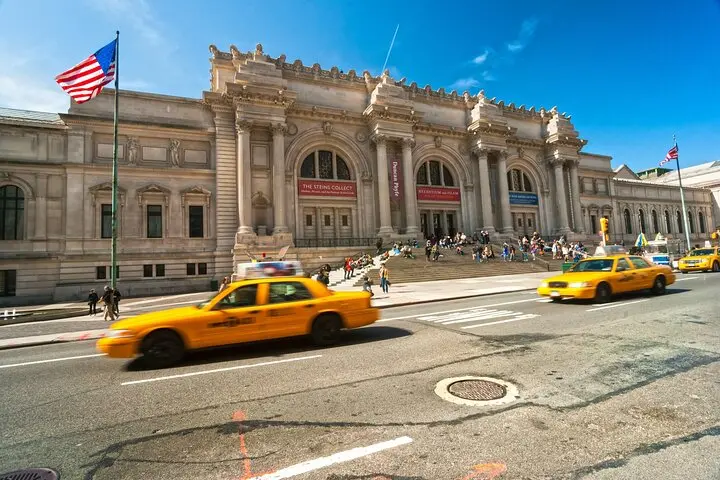
The Cloisters are a 20th-century reassembly of European monastic architecture, assembled from recovered medieval elements and opened by the Metropolitan Museum in 1938. Geologically, Fort Tryon crowns Manhattan’s northern ridge—glacially scoured schist underfoot gives way to river-facing terraces. Culturally, the Cloisters and the Met Fifth Avenue bookend a single city’s appetite for global art: one devoted to medieval Europe, the other to world collections from antiquity to modernity.
Practically, this private option removes the logistics of public transit and timed-admission queues. Expect timed security screenings at both sites, limited group sizes (typically up to 25), and the choice of a 2-hour Cloisters-only visit or extended 3.5–5.5 hour itineraries with door-to-door transfers and a Fifth Avenue walkthrough.
Plan for standing and short uphill walks, allow extra time if you want the medieval gardens, and carry a small daypack with water, a camera, and layers—New York’s weather changes fast. If mobility is a concern, request wheelchair assistance in advance; most areas have accessible routes. With curated insight from a licensed guide, the two museums form a compact, transport‑friendly day of art and place.
No; skip-the-line tickets let you avoid the ticket office queue but all visitors must pass through standard museum security screening before entry.
Meet at St. Frances Cabrini Shrine, 701 Fort Washington Ave; transfer options include pick-up and drop-off from your Manhattan accommodation for applicable tour lengths.
Yes. Both museums and the provided transportation offer accessibility options—notify the operator ahead of time so they can arrange suitable vehicles and routes.
The 3.5-hour option typically includes a Cloisters tour plus round-trip transfer; to visit Met Fifth Avenue as well, choose the 5.5-hour option which includes transfers and timed entry.
New York City Tours operates guided outdoor trips and adventures with an emphasis on safety, stewardship, and memorable experiences.

A late-morning sun cuts across the Hudson and the stone walkways of Fort Tryon Park as your guide waits beside the St. Frances Cabrini Shrine. The Cloisters sits like a medieval compound transplanted to Manhattan: stone archways, herb beds, and cloistered courtyards that frame sweeping river views. Inside, glass and wood temper the hush as carved capitals, tapestries, and illuminated manuscripts hold fast against time.
A late-morning sun cuts across the Hudson and the stone walkways of Fort Tryon Park as your guide waits beside the St. Frances Cabrini Shrine. The Cloisters sits like a medieval compound transplanted to Manhattan: stone archways, herb beds, and cloistered courtyards that frame sweeping river views. Inside, glass and wood temper the hush as carved capitals, tapestries, and illuminated manuscripts hold fast against time.
The Cloisters are a 20th-century reassembly of European monastic architecture, assembled from recovered medieval elements and opened by the Metropolitan Museum in 1938. Geologically, Fort Tryon crowns Manhattan’s northern ridge—glacially scoured schist underfoot gives way to river-facing terraces. Culturally, the Cloisters and the Met Fifth Avenue bookend a single city’s appetite for global art: one devoted to medieval Europe, the other to world collections from antiquity to modernity.
Practically, this private option removes the logistics of public transit and timed-admission queues. Expect timed security screenings at both sites, limited group sizes (typically up to 25), and the choice of a 2-hour Cloisters-only visit or extended 3.5–5.5 hour itineraries with door-to-door transfers and a Fifth Avenue walkthrough.
Plan for standing and short uphill walks, allow extra time if you want the medieval gardens, and carry a small daypack with water, a camera, and layers—New York’s weather changes fast. If mobility is a concern, request wheelchair assistance in advance; most areas have accessible routes. With curated insight from a licensed guide, the two museums form a compact, transport‑friendly day of art and place.