THE ADVENTURE COLLECTIVE® · Independent discovery and booking for outdoor travel

Move past the ticket line and into galleries that foreground veterans’ stories, uniforms, and artifacts. This practical guide explains what to expect, how to plan a 2-hour visit, and tips for getting the most from the Museum of Military History in Orlando.
Move past the ticket line and into galleries that foreground veterans’ stories, uniforms, and artifacts. This practical guide explains what to expect, how to plan a 2-hour visit, and tips for getting the most from the Museum of Military History in Orlando.
You step through a low-lit entry and the room shifts: rows of uniforms and polished helmets reflect a steady hush, while banners hang like chapters you can walk through. The Museum of Military History in Orlando frames individual stories within organized galleries — tactical maps, photographs, and personal letters that put human scale on large conflicts.
Verified experiences and guided adventures in the surrounding area.
Operated by Museum of Military History · Orlando, Florida
You step through a low-lit entry and the room shifts: rows of uniforms and polished helmets reflect a steady hush, while banners hang like chapters you can walk through. The Museum of Military History in Orlando frames individual stories within organized galleries — tactical maps, photographs, and personal letters that put human scale on large conflicts.
The collection focuses on American military service across eras, with artifacts ranging from World War II ordnance displays to modern service uniforms. The museum’s stated mission is educational: exhibits are arranged to teach history through objects and veterans’ accounts rather than through broad national narratives. Expect interpretive panels, photographed veterans, and rotating topical displays aimed at school groups and families.
Practicalities are straightforward: this is a 90–120 minute visit for most guests, with mobile ticketing that lets you skip the line and enter quickly. The facility is wheelchair- and stroller-accessible, and active-duty service members enter free with ID. Photography is generally allowed for personal use, but check exhibit signage for restricted items. Audio tours or docent-led talks may be available on select days; larger groups should call ahead.
Timing matters: mid-morning on weekdays reduces overlap with school groups; plan for climate-controlled galleries and a short, focused route rather than an all-day museum crawl. Carry ID if you qualify for free entry, comfortable shoes for standing at displays, and a refillable bottle — the museum experience is about attention and close observation, not long-distance hiking, but the stories here demand time and thought.
Yes — mobile tickets allow you to enter without waiting at the box office, useful during peak visitor times.
Yes; groups larger than 10 should call ahead so staff can coordinate timed entry and any educational programming.
Yes — ramps, accessible surfaces, and transportation access are listed as available; contact the museum for specific needs.
Yes — active-duty members are admitted free with valid military ID; dependents and veterans should check for other discounts.
Museum of Military History operates guided outdoor trips and adventures with an emphasis on safety, stewardship, and memorable experiences.
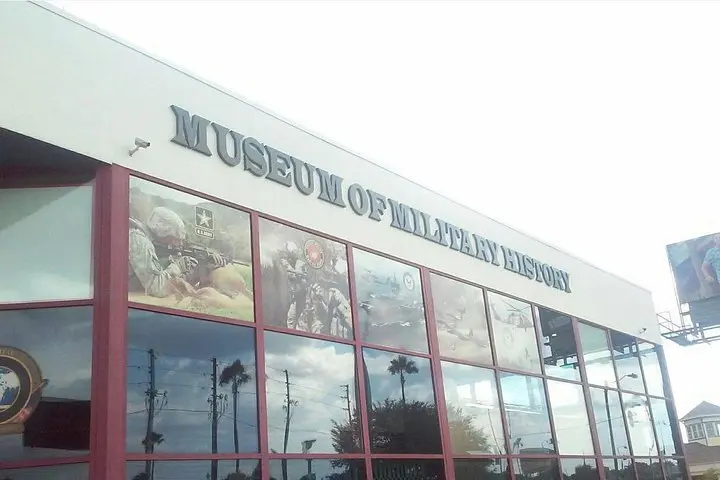
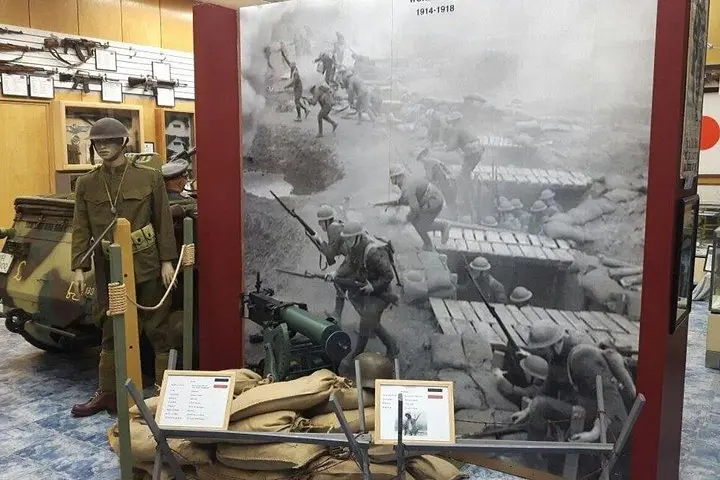
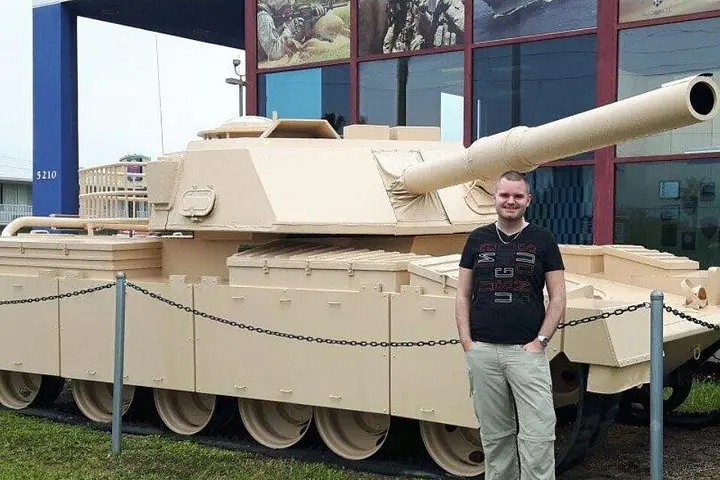
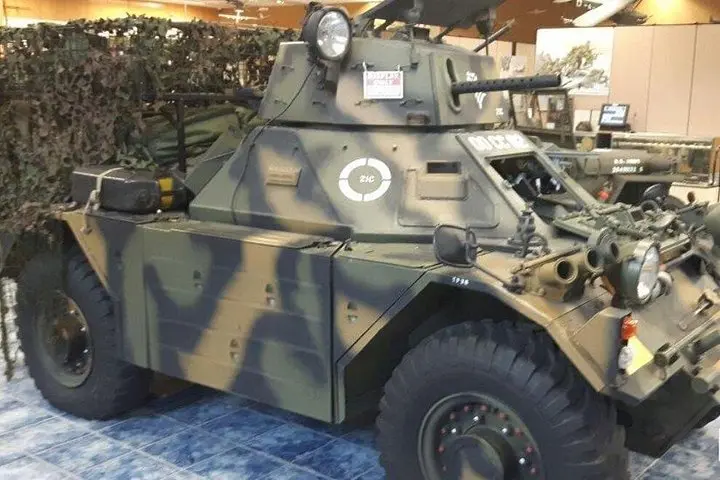
You step through a low-lit entry and the room shifts: rows of uniforms and polished helmets reflect a steady hush, while banners hang like chapters you can walk through. The Museum of Military History in Orlando frames individual stories within organized galleries — tactical maps, photographs, and personal letters that put human scale on large conflicts.
You step through a low-lit entry and the room shifts: rows of uniforms and polished helmets reflect a steady hush, while banners hang like chapters you can walk through. The Museum of Military History in Orlando frames individual stories within organized galleries — tactical maps, photographs, and personal letters that put human scale on large conflicts.
The collection focuses on American military service across eras, with artifacts ranging from World War II ordnance displays to modern service uniforms. The museum’s stated mission is educational: exhibits are arranged to teach history through objects and veterans’ accounts rather than through broad national narratives. Expect interpretive panels, photographed veterans, and rotating topical displays aimed at school groups and families.
Practicalities are straightforward: this is a 90–120 minute visit for most guests, with mobile ticketing that lets you skip the line and enter quickly. The facility is wheelchair- and stroller-accessible, and active-duty service members enter free with ID. Photography is generally allowed for personal use, but check exhibit signage for restricted items. Audio tours or docent-led talks may be available on select days; larger groups should call ahead.
Timing matters: mid-morning on weekdays reduces overlap with school groups; plan for climate-controlled galleries and a short, focused route rather than an all-day museum crawl. Carry ID if you qualify for free entry, comfortable shoes for standing at displays, and a refillable bottle — the museum experience is about attention and close observation, not long-distance hiking, but the stories here demand time and thought.