THE ADVENTURE COLLECTIVE® · Independent discovery and booking for outdoor travel

Skip the lines at Musée Rodin and move from intimate galleries to an open-air sculpture garden where Rodin’s masterpieces meet Parisian light. This guide outlines what to expect, how to time your visit, and practical tips to make the most of a 1–3 hour cultural stop.
Skip the lines at Musée Rodin and move from intimate galleries to an open-air sculpture garden where Rodin’s masterpieces meet Parisian light. This guide outlines what to expect, how to time your visit, and practical tips to make the most of a 1–3 hour cultural stop.
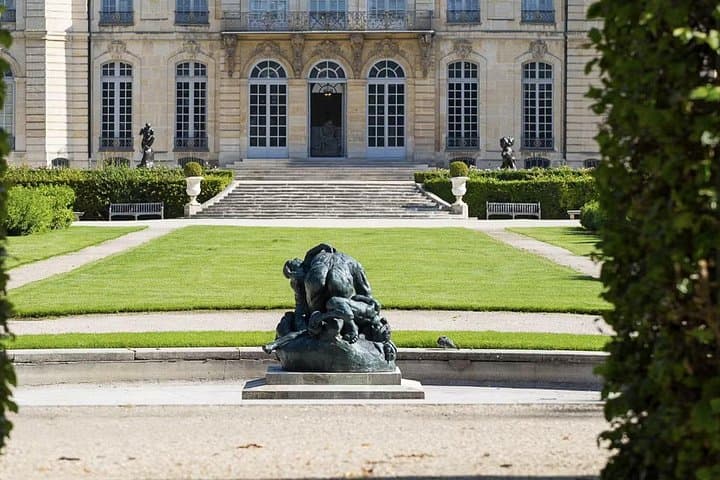
Morning light cuts between plane trees and the stone facades of the Hôtel Biron as you step through the museum gate; bronze figures rise from lawn and pond, their patinas catching Paris air that still remembers the 19th century.
Verified experiences and guided adventures in the surrounding area.
Operated by Trip Knox Ltd · Paris, Île-de-France
Morning light cuts between plane trees and the stone facades of the Hôtel Biron as you step through the museum gate; bronze figures rise from lawn and pond, their patinas catching Paris air that still remembers the 19th century.
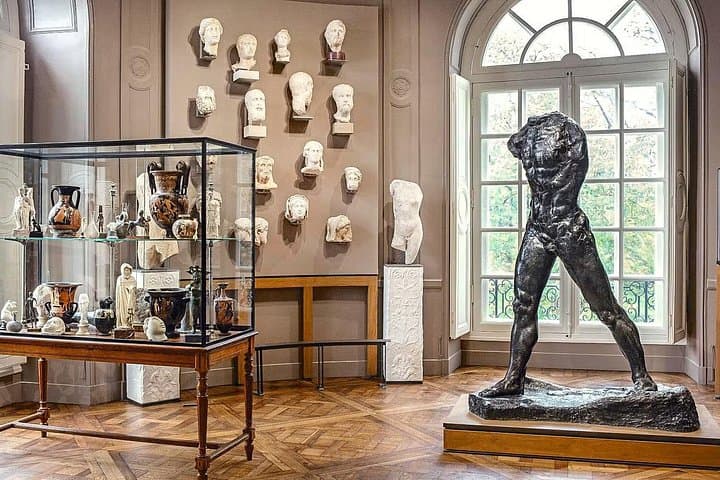
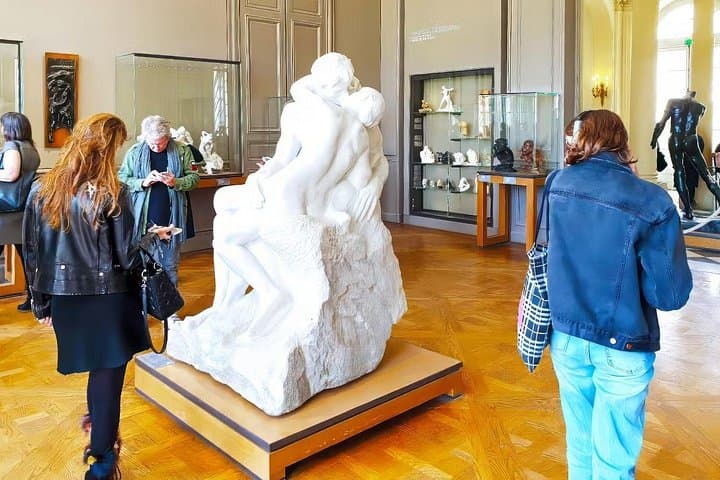
The Rodin Museum occupies the Hôtel Biron, an 18th-century mansion that Auguste Rodin used and later bequeathed to the French state. Inside, you move from intimate plaster studies to monumental bronzes — The Thinker, The Kiss, The Gates of Hell — works that map the sculptor’s experiments with gesture, shadow, and texture. Outside, the sculpture garden arranges pieces among rose beds, fountains, and tree-lined paths so the art reads differently in sunlight and rain.
Geology and the city intersect here: carved stone bases and weathered bronzes age alongside Parisian limestone and manicured soil, creating a dialogue between material and climate. The museum’s collection also highlights Camille Claudel’s troubled genius, giving cultural context to Rodin’s workshop practice and the Parisian art world of the Belle Époque.
Practical side: skip-the-line tickets reduce queue time but expect security screening at the entrance. Gardens have gravel paths and bench seating; indoor galleries are on level floors though some rooms have steps. Mobile tickets are accepted and are commonly delivered electronically—follow supplier redemption instructions. Plan 1–3 hours to see highlights; aim for early morning or late afternoon for softer light and fewer crowds. Bring a light layer for the garden, avoid touching sculptures, and leave bulky bags at a hotel or coat check when possible.
They reduce waiting time but you may still pass through security screening; entry is faster than buying on-site but not instantaneous.
Many garden paths and indoor galleries are level or ramped, but some historic rooms have steps—contact the museum for specific access info.
Photography is generally allowed for personal use in most outdoor areas and some galleries; flash and tripods are usually restricted.
Allocate 1–3 hours to see main works and enjoy the garden; 3+ hours if you want an in-depth study or audio guide experience.
Trip Knox Ltd operates guided outdoor trips and adventures with an emphasis on safety, stewardship, and memorable experiences.
Morning light cuts between plane trees and the stone facades of the Hôtel Biron as you step through the museum gate; bronze figures rise from lawn and pond, their patinas catching Paris air that still remembers the 19th century.
Morning light cuts between plane trees and the stone facades of the Hôtel Biron as you step through the museum gate; bronze figures rise from lawn and pond, their patinas catching Paris air that still remembers the 19th century.
The Rodin Museum occupies the Hôtel Biron, an 18th-century mansion that Auguste Rodin used and later bequeathed to the French state. Inside, you move from intimate plaster studies to monumental bronzes — The Thinker, The Kiss, The Gates of Hell — works that map the sculptor’s experiments with gesture, shadow, and texture. Outside, the sculpture garden arranges pieces among rose beds, fountains, and tree-lined paths so the art reads differently in sunlight and rain.
Geology and the city intersect here: carved stone bases and weathered bronzes age alongside Parisian limestone and manicured soil, creating a dialogue between material and climate. The museum’s collection also highlights Camille Claudel’s troubled genius, giving cultural context to Rodin’s workshop practice and the Parisian art world of the Belle Époque.
Practical side: skip-the-line tickets reduce queue time but expect security screening at the entrance. Gardens have gravel paths and bench seating; indoor galleries are on level floors though some rooms have steps. Mobile tickets are accepted and are commonly delivered electronically—follow supplier redemption instructions. Plan 1–3 hours to see highlights; aim for early morning or late afternoon for softer light and fewer crowds. Bring a light layer for the garden, avoid touching sculptures, and leave bulky bags at a hotel or coat check when possible.