THE ADVENTURE COLLECTIVE® · Independent discovery and booking for outdoor travel

Move quickly through Istanbul’s oldest quarters with skip-the-line access to Hagia Sophia, the Blue Mosque and the atmospheric Basilica Cistern. This guided walking tour pairs architectural history with practical local stops—tea, bazaars and a carpet demonstration.
Move quickly through Istanbul’s oldest quarters with skip-the-line access to Hagia Sophia, the Blue Mosque and the atmospheric Basilica Cistern. This guided walking tour pairs architectural history with practical local stops—tea, bazaars and a carpet demonstration.
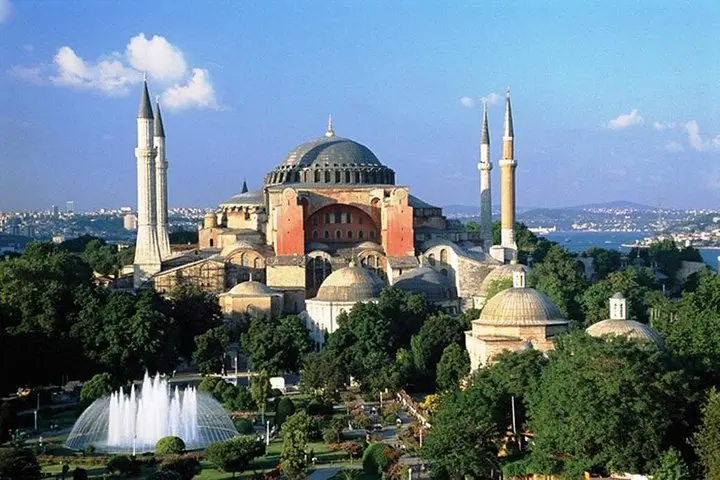
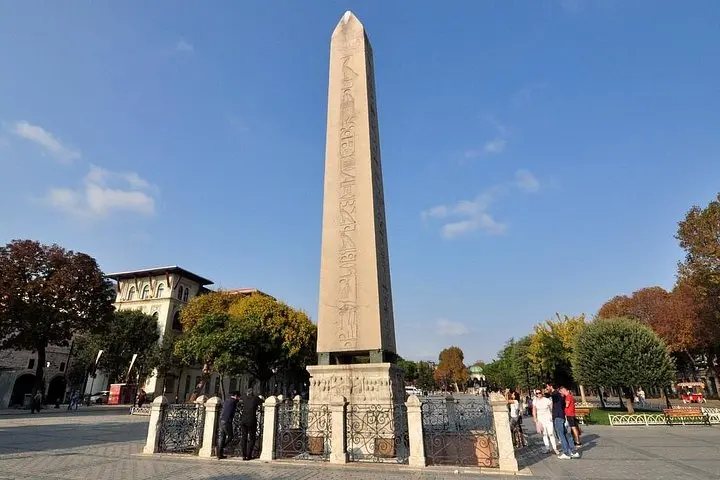
You step out of the shade of an Ottoman plane tree into Sultanahmet Square and the city’s layers press close: pigeons wheel around the Roman obelisk, the call to prayer threads through market clatter, and the stone face of Hagia Sophia turns its long history toward you.
Verified experiences and guided adventures in the surrounding area.
Operated by My Local Guide lstanbul · Istanbul, Istanbul
You step out of the shade of an Ottoman plane tree into Sultanahmet Square and the city’s layers press close: pigeons wheel around the Roman obelisk, the call to prayer threads through market clatter, and the stone face of Hagia Sophia turns its long history toward you.
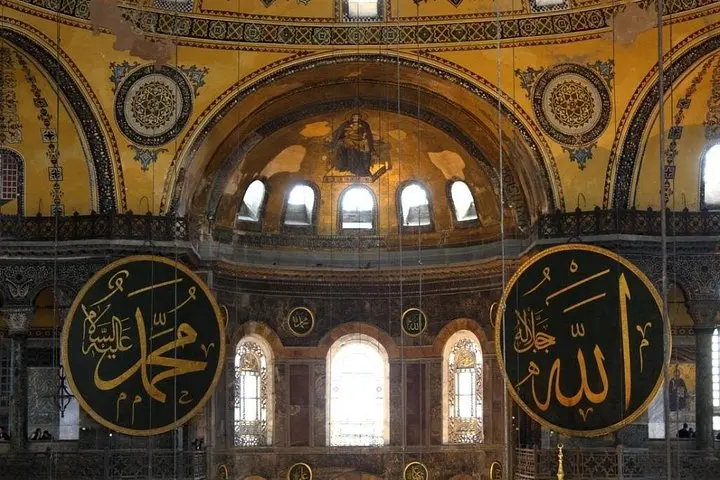
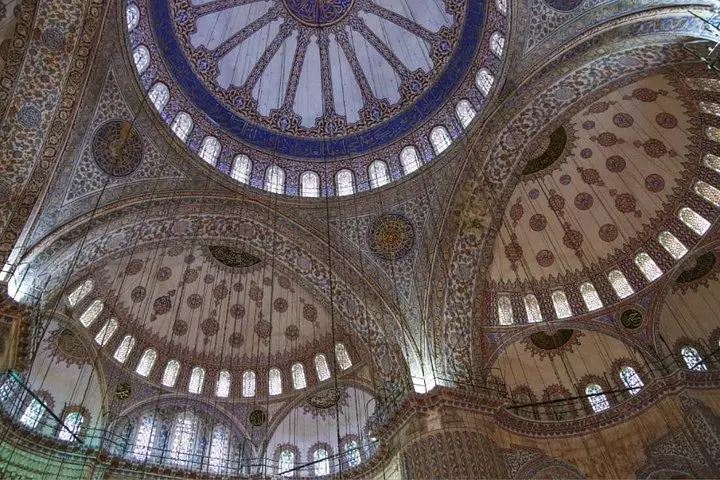
This compact walking tour threads together Istanbul’s formative sites. Hagia Sophia, built in the 6th century under Emperor Justinian, presents Byzantine mosaics and Ottoman calligraphy in a single roofline. Nearby the Blue Mosque (Sultanahmet) opens its carpeted interior of Iznik tiles—visitors should cover shoulders and knees when entering. Below the street, the Basilica Cistern offers a cool, dim vault of Roman engineering where Medusa heads anchor columns and water still murmurs through ancient channels. The route passes the Roman Hippodrome’s Egyptian obelisk and serpentine column, then winds toward a caravanserai turned carpet shop and the spice-scented aisles of the bazaar.
Expect 4–5 hours of mostly flat walking on cobbles and indoor floors; the tour balances history with practical stops—a local tea break and an optional carpet demonstration. Guides frame architecture, religious transition, and Ottoman urban life; they’ll explain why Hagia Sophia shifted roles between church and mosque and how Byzantine stonework underpins modern Istanbul.
Practical tips: arrive early to make the most of skip-the-line access, carry a refillable water bottle, wear comfortable shoes for uneven pavements, and keep a scarf handy for mosque entry. Leave time after the tour to wander the Spice Bazaar or climb a nearby rooftop café for sweeping Bosphorus views.
This tour includes skip-the-line entry for Hagia Sophia and the Basilica Cistern, so booking ahead secures priority access and saves waiting time.
Mosques remain active places of worship; tours avoid major prayer times but visitors may need to wait or return if a mosque is closed for worship.
Parts of the route are accessible and infants can use strollers, but some historic sites have steps or uneven surfaces—check with the operator for specific accessibility needs.
Tea or coffee is included during a local café stop; other food purchases at bazaars or cafes are at your own expense.
My Local Guide lstanbul operates guided outdoor trips and adventures with an emphasis on safety, stewardship, and memorable experiences.
You step out of the shade of an Ottoman plane tree into Sultanahmet Square and the city’s layers press close: pigeons wheel around the Roman obelisk, the call to prayer threads through market clatter, and the stone face of Hagia Sophia turns its long history toward you.
You step out of the shade of an Ottoman plane tree into Sultanahmet Square and the city’s layers press close: pigeons wheel around the Roman obelisk, the call to prayer threads through market clatter, and the stone face of Hagia Sophia turns its long history toward you.
This compact walking tour threads together Istanbul’s formative sites. Hagia Sophia, built in the 6th century under Emperor Justinian, presents Byzantine mosaics and Ottoman calligraphy in a single roofline. Nearby the Blue Mosque (Sultanahmet) opens its carpeted interior of Iznik tiles—visitors should cover shoulders and knees when entering. Below the street, the Basilica Cistern offers a cool, dim vault of Roman engineering where Medusa heads anchor columns and water still murmurs through ancient channels. The route passes the Roman Hippodrome’s Egyptian obelisk and serpentine column, then winds toward a caravanserai turned carpet shop and the spice-scented aisles of the bazaar.
Expect 4–5 hours of mostly flat walking on cobbles and indoor floors; the tour balances history with practical stops—a local tea break and an optional carpet demonstration. Guides frame architecture, religious transition, and Ottoman urban life; they’ll explain why Hagia Sophia shifted roles between church and mosque and how Byzantine stonework underpins modern Istanbul.
Practical tips: arrive early to make the most of skip-the-line access, carry a refillable water bottle, wear comfortable shoes for uneven pavements, and keep a scarf handy for mosque entry. Leave time after the tour to wander the Spice Bazaar or climb a nearby rooftop café for sweeping Bosphorus views.