THE ADVENTURE COLLECTIVE® · Independent discovery and booking for outdoor travel

Skip long queues and move straight to the marble icon of Agra with private pickup and a local guide. This guided, skip-the-line entry lets you see the Taj Mahal with context—history, architecture, and practical tips for a smoother visit.
Skip long queues and move straight to the marble icon of Agra with private pickup and a local guide. This guided, skip-the-line entry lets you see the Taj Mahal with context—history, architecture, and practical tips for a smoother visit.
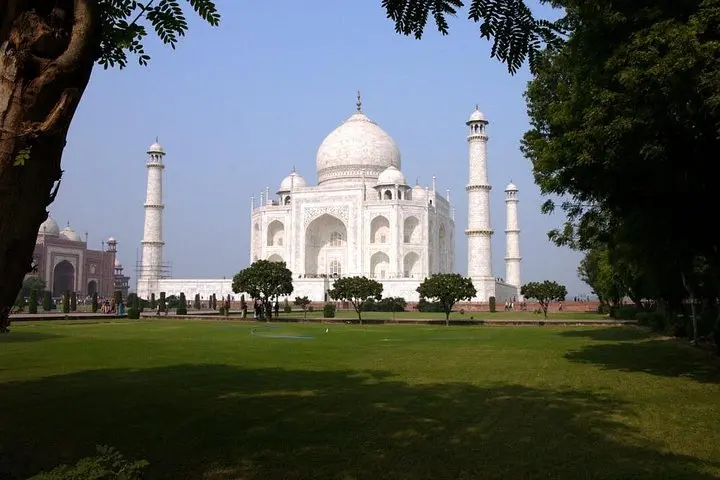
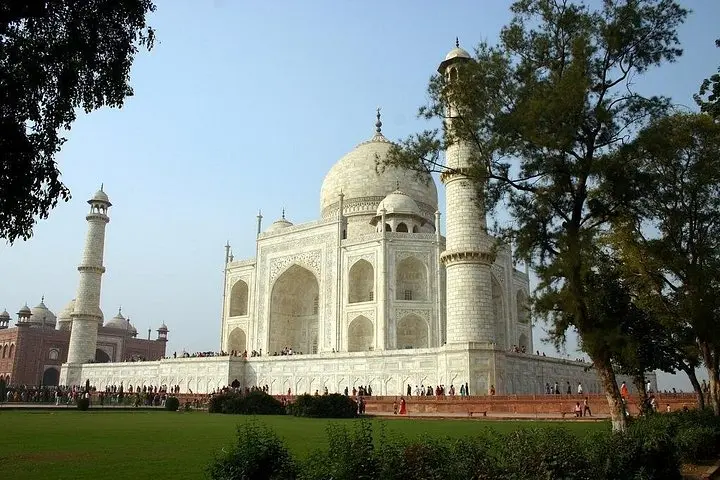
The morning light slices across the Yamuna and the Taj's white marble seems to glow from within as your guide greets you with pre-booked tickets in hand. With crowds reduced by a skip-the-line pass and a private transfer from your Agra hotel, the monument opens like a stage—domes and minarets framing a quiet axis, the river offering a soft mirror.
Verified experiences and guided adventures in the surrounding area.
Operated by Taj Adventure World · Agra, Uttar Pradesh
The morning light slices across the Yamuna and the Taj's white marble seems to glow from within as your guide greets you with pre-booked tickets in hand. With crowds reduced by a skip-the-line pass and a private transfer from your Agra hotel, the monument opens like a stage—domes and minarets framing a quiet axis, the river offering a soft mirror.
Built by Emperor Shah Jahan in the mid-17th century for Mumtaz Mahal, the Taj Mahal is a Mughal funerary complex where marble meets meticulous pietra dura inlay. The site sits on a raised plinth facing the Yamuna; geology matters here—Makrana marble and skilled craftsmanship give the mausoleum its luminous surface and intricate floral panels.
Culturally, the Taj is both a pilgrimage and a public park: visitors come for history, photography, and ritual. Local guides thread architectural facts with legends about the imperial court; a private guide helps parse symmetry, inscriptions, and conservation challenges.
Practical guidance: plan for early morning or late afternoon light, carry ID for ticket matching, and expect security screening—skip-the-line reduces queue time but not checks. Wear good walking shoes (some inner chambers require shoe covers), bring sun protection, and leave large tripods or bulky bags at your hotel. Fridays the mausoleum closes for congregational prayer; night visits are limited to specific full-moon dates with separate permits. Respect dress norms and remain mindful of staff and conservation signage—small steps keep the marble bright for the next visitor.
They prioritize entry and reduce queue time for ticket purchase, but security screening still applies and short waits can occur during peak hours.
The Taj is open daily from sunrise to sunset except Fridays, when the main mausoleum is closed for congregational prayers; night viewings occur on select full-moon dates with separate permits.
Large bags and professional tripods are often restricted by site security; leave bulky items at your hotel and use a small daypack for essentials.
The complex and transportation options offer wheelchair accessibility; confirm pickup and any special assistance at booking so the operator can accommodate you.
Taj Adventure World operates guided outdoor trips and adventures with an emphasis on safety, stewardship, and memorable experiences.
The morning light slices across the Yamuna and the Taj's white marble seems to glow from within as your guide greets you with pre-booked tickets in hand. With crowds reduced by a skip-the-line pass and a private transfer from your Agra hotel, the monument opens like a stage—domes and minarets framing a quiet axis, the river offering a soft mirror.
The morning light slices across the Yamuna and the Taj's white marble seems to glow from within as your guide greets you with pre-booked tickets in hand. With crowds reduced by a skip-the-line pass and a private transfer from your Agra hotel, the monument opens like a stage—domes and minarets framing a quiet axis, the river offering a soft mirror.
Built by Emperor Shah Jahan in the mid-17th century for Mumtaz Mahal, the Taj Mahal is a Mughal funerary complex where marble meets meticulous pietra dura inlay. The site sits on a raised plinth facing the Yamuna; geology matters here—Makrana marble and skilled craftsmanship give the mausoleum its luminous surface and intricate floral panels.
Culturally, the Taj is both a pilgrimage and a public park: visitors come for history, photography, and ritual. Local guides thread architectural facts with legends about the imperial court; a private guide helps parse symmetry, inscriptions, and conservation challenges.
Practical guidance: plan for early morning or late afternoon light, carry ID for ticket matching, and expect security screening—skip-the-line reduces queue time but not checks. Wear good walking shoes (some inner chambers require shoe covers), bring sun protection, and leave large tripods or bulky bags at your hotel. Fridays the mausoleum closes for congregational prayer; night visits are limited to specific full-moon dates with separate permits. Respect dress norms and remain mindful of staff and conservation signage—small steps keep the marble bright for the next visitor.