THE ADVENTURE COLLECTIVE® · Independent discovery and booking for outdoor travel

Avoid long queues with a pre-booked ticket that combines Tiananmen Square, the Forbidden City, and Jingshan Park. This practical guide covers what to expect, historical context, and tips to make the most of a 1–4 hour self-guided visit.
Avoid long queues with a pre-booked ticket that combines Tiananmen Square, the Forbidden City, and Jingshan Park. This practical guide covers what to expect, historical context, and tips to make the most of a 1–4 hour self-guided visit.
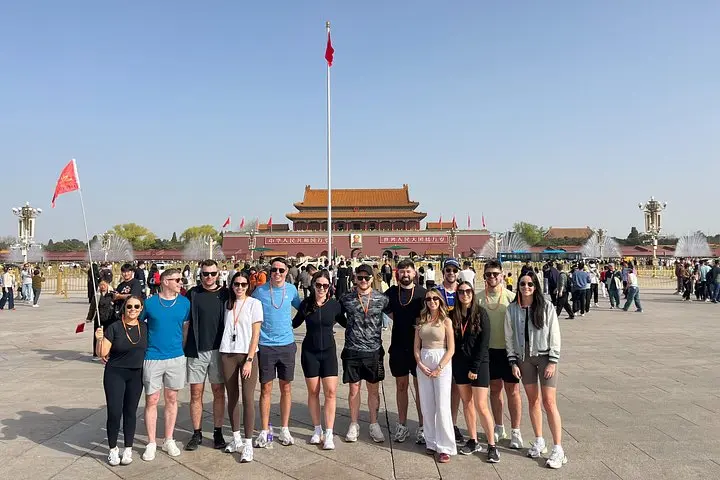
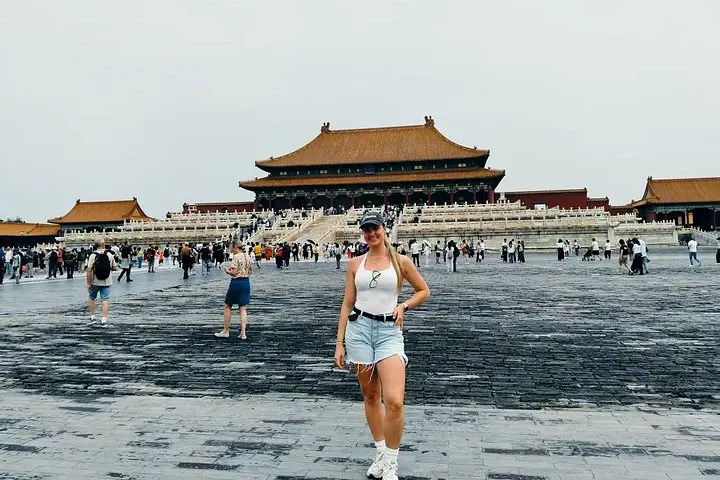
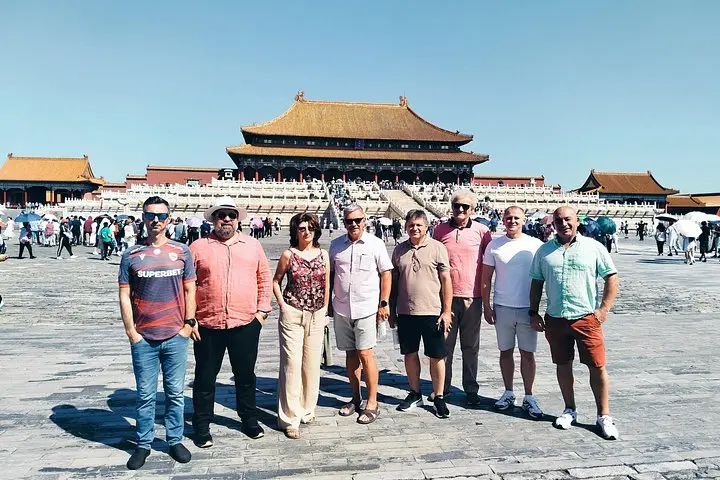
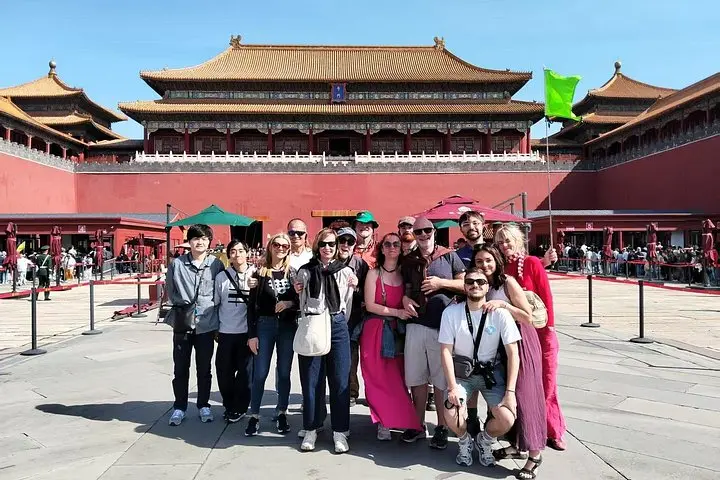
Step out of the subway into the vast sweep of Tiananmen Square — flagpoles and stone monuments meet an open sky that seems to command attention. Walk north and the Meridian Gate of the Forbidden City rises like a red-brick threshold to imperial Beijing; beyond it, courtyards and timber halls lay out centuries of court ritual. Climb the short hill in Jingshan Park and the city spreads below, the palace roofs forming a dark river that the wind brushes like pages.
Verified experiences and guided adventures in the surrounding area.
Operated by Lily's tour service · Beijing, Beijing
Step out of the subway into the vast sweep of Tiananmen Square — flagpoles and stone monuments meet an open sky that seems to command attention. Walk north and the Meridian Gate of the Forbidden City rises like a red-brick threshold to imperial Beijing; beyond it, courtyards and timber halls lay out centuries of court ritual. Climb the short hill in Jingshan Park and the city spreads below, the palace roofs forming a dark river that the wind brushes like pages.
Tiananmen and the Forbidden City anchor Beijing’s political and cultural history: imperial palaces from the Ming and Qing dynasties, a 15th-century urban plan aligned on a north–south axis, and public monuments added in the 20th century. The Palace Museum preserves lacquer, bronze, and carved stone; Jingshan is an artificial mound built from palace excavation spoil that now offers one of Beijing’s cleanest sightlines. Expect paved plazas, broad causeways, and heavily managed visitor flows.
Practical guidance: book the mobile ticket and carry your passport — entry checks are strict and QR codes speed you through. Allow 2–4 hours to move at a steady pace through key halls and the imperial garden; add time for peak crowds. Wear supportive shoes for long walks on stone thresholds, bring water, and plan morning visits to catch soft light and fewer people. Security screenings are thorough; be ready to stow large bags. Respect signage in preservation zones and photograph where permitted.
This combination makes for an efficient urban history day: public space, palace architecture, and a hilltop view that puts Beijing’s layered past into plain sight.
No — mobile QR codes are accepted; keep your passport with you since entry checks match identity to bookings.
Many pathways and some exhibition halls are wheelchair accessible, but historic steps and thresholds may limit access to certain areas; contact the Palace Museum for detailed access routes.
Plan 2–4 hours to see main halls, a few exhibitions, and a short climb in Jingshan Park; half a day if you want a slower pace or guided commentary.
Not required — signage and audio guides cover highlights, but a guided tour adds historical context and can speed navigation of crowded spaces.
Lily's tour service operates guided outdoor trips and adventures with an emphasis on safety, stewardship, and memorable experiences.
Step out of the subway into the vast sweep of Tiananmen Square — flagpoles and stone monuments meet an open sky that seems to command attention. Walk north and the Meridian Gate of the Forbidden City rises like a red-brick threshold to imperial Beijing; beyond it, courtyards and timber halls lay out centuries of court ritual. Climb the short hill in Jingshan Park and the city spreads below, the palace roofs forming a dark river that the wind brushes like pages.
Step out of the subway into the vast sweep of Tiananmen Square — flagpoles and stone monuments meet an open sky that seems to command attention. Walk north and the Meridian Gate of the Forbidden City rises like a red-brick threshold to imperial Beijing; beyond it, courtyards and timber halls lay out centuries of court ritual. Climb the short hill in Jingshan Park and the city spreads below, the palace roofs forming a dark river that the wind brushes like pages.
Tiananmen and the Forbidden City anchor Beijing’s political and cultural history: imperial palaces from the Ming and Qing dynasties, a 15th-century urban plan aligned on a north–south axis, and public monuments added in the 20th century. The Palace Museum preserves lacquer, bronze, and carved stone; Jingshan is an artificial mound built from palace excavation spoil that now offers one of Beijing’s cleanest sightlines. Expect paved plazas, broad causeways, and heavily managed visitor flows.
Practical guidance: book the mobile ticket and carry your passport — entry checks are strict and QR codes speed you through. Allow 2–4 hours to move at a steady pace through key halls and the imperial garden; add time for peak crowds. Wear supportive shoes for long walks on stone thresholds, bring water, and plan morning visits to catch soft light and fewer people. Security screenings are thorough; be ready to stow large bags. Respect signage in preservation zones and photograph where permitted.
This combination makes for an efficient urban history day: public space, palace architecture, and a hilltop view that puts Beijing’s layered past into plain sight.