THE ADVENTURE COLLECTIVE® · Independent discovery and booking for outdoor travel

Visit El Cedral with a skip-the-line ticket to access Cozumel’s oldest Mayan ruins and the island’s historic Feria de Cedral. Expect small excavated arches, traditional dances, local food stalls and a slice of island history off the main tourist route.
Visit El Cedral with a skip-the-line ticket to access Cozumel’s oldest Mayan ruins and the island’s historic Feria de Cedral. Expect small excavated arches, traditional dances, local food stalls and a slice of island history off the main tourist route.
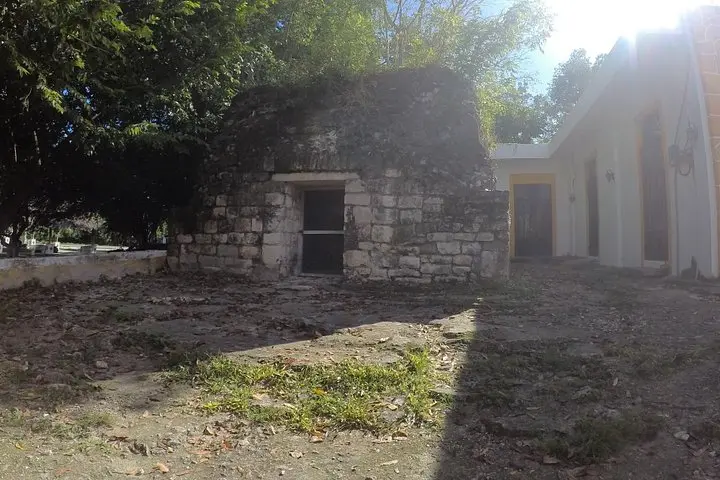
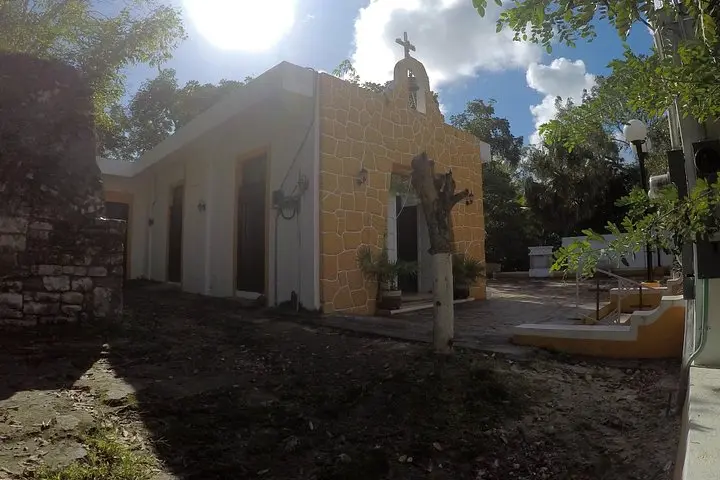
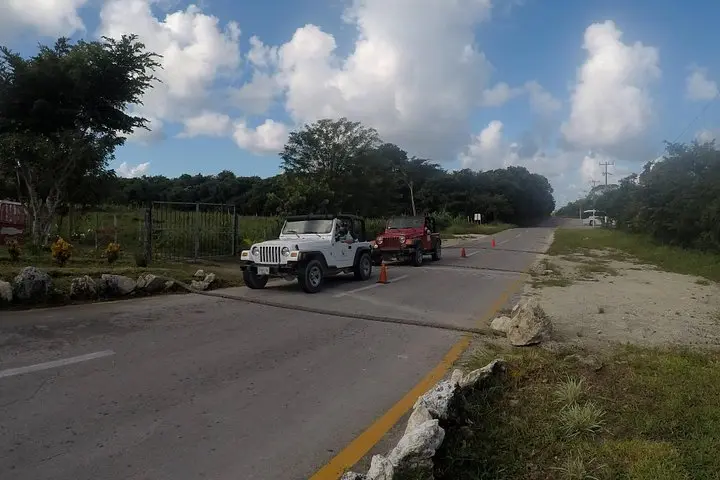
You step off the low-slung tour vehicle into a village that still moves at farming speed: dust underfoot, a church bell marking the hour, and the small stone arch of a Mayan temple catching sunlight like a clue to another time.
Verified experiences and guided adventures in the surrounding area.
Operated by Cozumel Tours Excursions · El Cedral, Quintana Roo
You step off the low-slung tour vehicle into a village that still moves at farming speed: dust underfoot, a church bell marking the hour, and the small stone arch of a Mayan temple catching sunlight like a clue to another time.
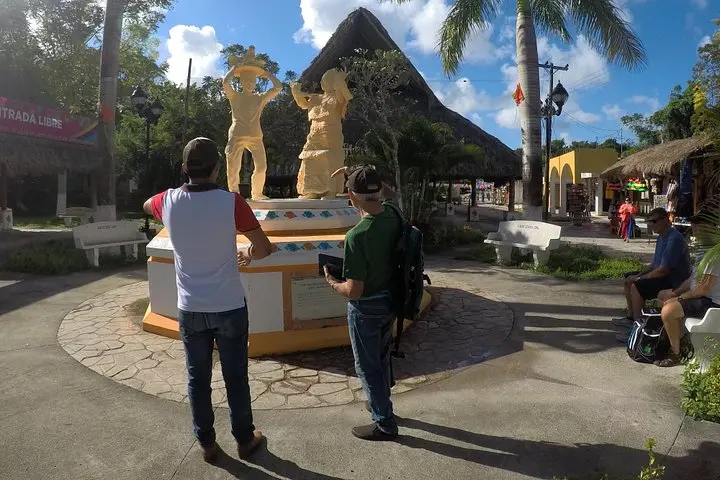
El Cedral sits on Cozumel’s southwestern plain — a pocket of scrub, limestone bedrock and seasonal cenotes where Mayan paths once funneled island trade. Spanish chroniclers recorded the place in 1518; by the mid-19th century the settlement was the island’s first official town. The annual Feria de Cedral (late April–early May) layers the site’s archaeological fragment with livestock shows, traditional dances such as Cabeza de Cochino and La Cinta, and family-run food stalls that preserve island recipes.
Geologically the site sits on Permian to Cenozoic limestone that formed the island’s flat interior; evidence of human occupation is modest — a partially standing arch and scattered masonry — but it’s enough to imagine commerce and ritual moving along the coast.
Practical guidance: show up early to avoid heat and crowds, bring water and sun protection, and use the skip-the-line ticket to bypass delays on festival days. Restrooms are available and the site is largely accessible for visitors with limited mobility, but surfaces are uneven in places. Allow at least 60–90 minutes to view the ruins and village; expect a full day if you attend feria events. Respect the community: stay on marked paths, ask before photographing people, and carry out any trash. The reward is a compact, authentic glimpse of Cozumel’s living history — a place where island life, ceremony and ancient stone meet on common ground.
Plan 60–90 minutes to see the ruins and village; if you attend Feria events, budget a full day (9–10 hours) for performances and stalls.
The visitor area and main viewing points are wheelchair-accessible, but some paths around ruins are uneven — assistance may be useful.
Yes — basic restrooms are listed among inclusions and local food stalls operate during feria dates; bring cash for vendors.
Yes — Feria de Cedral draws locals and visitors; a skip-the-line ticket or advance planning helps avoid long waits on key festival days.
Cozumel Tours Excursions operates guided outdoor trips and adventures with an emphasis on safety, stewardship, and memorable experiences.
You step off the low-slung tour vehicle into a village that still moves at farming speed: dust underfoot, a church bell marking the hour, and the small stone arch of a Mayan temple catching sunlight like a clue to another time.
You step off the low-slung tour vehicle into a village that still moves at farming speed: dust underfoot, a church bell marking the hour, and the small stone arch of a Mayan temple catching sunlight like a clue to another time.
El Cedral sits on Cozumel’s southwestern plain — a pocket of scrub, limestone bedrock and seasonal cenotes where Mayan paths once funneled island trade. Spanish chroniclers recorded the place in 1518; by the mid-19th century the settlement was the island’s first official town. The annual Feria de Cedral (late April–early May) layers the site’s archaeological fragment with livestock shows, traditional dances such as Cabeza de Cochino and La Cinta, and family-run food stalls that preserve island recipes.
Geologically the site sits on Permian to Cenozoic limestone that formed the island’s flat interior; evidence of human occupation is modest — a partially standing arch and scattered masonry — but it’s enough to imagine commerce and ritual moving along the coast.
Practical guidance: show up early to avoid heat and crowds, bring water and sun protection, and use the skip-the-line ticket to bypass delays on festival days. Restrooms are available and the site is largely accessible for visitors with limited mobility, but surfaces are uneven in places. Allow at least 60–90 minutes to view the ruins and village; expect a full day if you attend feria events. Respect the community: stay on marked paths, ask before photographing people, and carry out any trash. The reward is a compact, authentic glimpse of Cozumel’s living history — a place where island life, ceremony and ancient stone meet on common ground.