THE ADVENTURE COLLECTIVE® · Independent discovery and booking for outdoor travel

Avoid the gate lines and head straight into Udawalawe’s plains on a private 4x4 safari. Spend three focused hours tracking elephants, waterbirds and the park’s riverine life with an experienced driver-tracker.
Avoid the gate lines and head straight into Udawalawe’s plains on a private 4x4 safari. Spend three focused hours tracking elephants, waterbirds and the park’s riverine life with an experienced driver-tracker.
The jeep bumps onto a red-dust track and the tall grasses of Udawalawe part like a crowd watching a slow parade. Morning light strikes the Walawe River and the air smells of warm earth; elephants drift toward the water, birds wheel above and the driver’s voice falls to a hush as the tracker scans the horizon.
Verified experiences and guided adventures in the surrounding area.
Operated by Lakpura LLC · Udawalawe, Sabaragamuwa
The jeep bumps onto a red-dust track and the tall grasses of Udawalawe part like a crowd watching a slow parade. Morning light strikes the Walawe River and the air smells of warm earth; elephants drift toward the water, birds wheel above and the driver’s voice falls to a hush as the tracker scans the horizon.
Udawalawe was designated a national park on 30 June 1972 to protect habitat along the Walawe catchment. The reserve covers roughly 120 square miles of plains, marshes and forest fragments framed by higher terrain on its northern edge. Geology here favors eroded ridges and alluvial flats fed by seasonal tributaries; those waterlines are where wildlife concentrates during the dry months.
Local culture is tied to the land: small farming towns around the park use the reservoir and seasonal streams, and the nearby Elephant Transit Home provides a window into conservation efforts for orphaned calves. Expect a landscape that alternates between open grassland—where animals move slowly and deliberately—and pockets of thicker scrub where predators and birds hide.
Practically, this is a three-hour private jeep safari with an included entrance ticket and a maximum of six passengers per vehicle. Morning or late-afternoon runs give the best light and animal activity. Bring a wide lens or binoculars, layered sun protection, and a refillable water bottle (one is provided but extras are handy). Respect the tracker’s instructions, stay seated, and keep noise low: that’s how sightings turn from glimpses into proper encounters.
Yes — the product includes the Udawalawe National Park entrance ticket; you'll exchange your voucher with staff at the park gate before the safari.
Early morning and late afternoon are prime: cooler temperatures concentrate animals near water and create better light for viewing and photography.
Udawalawe has a healthy elephant population and sightings are common, but wildlife can’t be guaranteed; trackers increase your chances by knowing animal movement patterns.
This activity is suitable for most people but is not recommended for pregnant travelers or guests with serious spinal or cardiovascular conditions; infants must sit on laps.
Lakpura LLC operates guided outdoor trips and adventures with an emphasis on safety, stewardship, and memorable experiences.
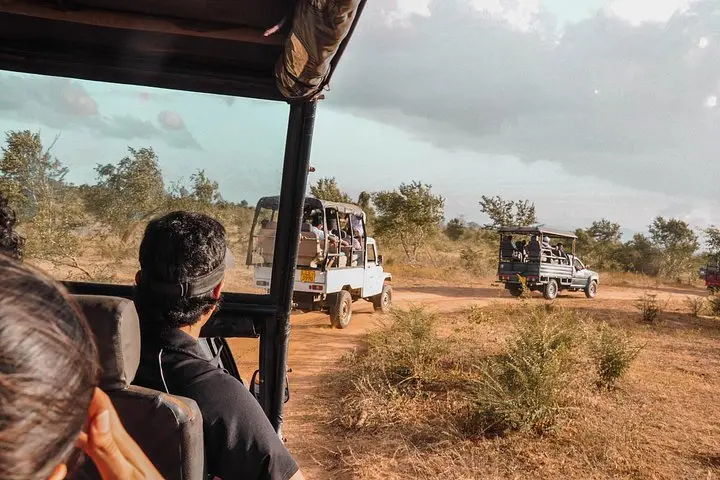
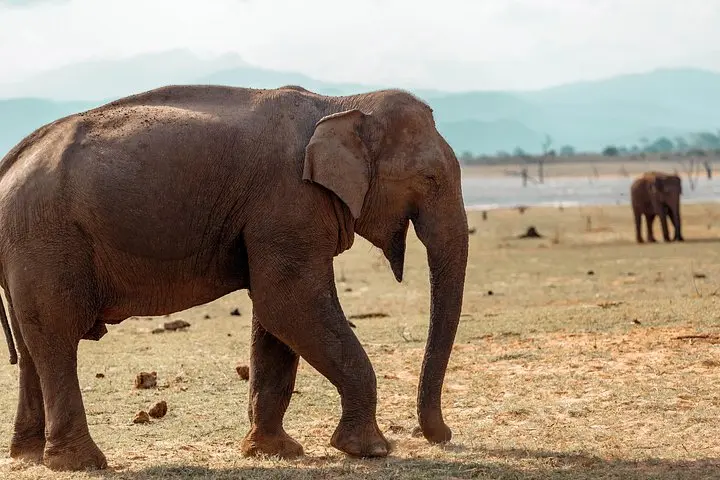
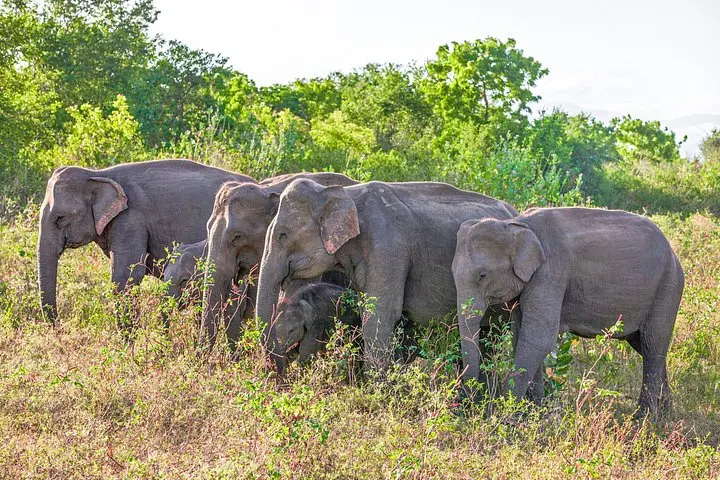
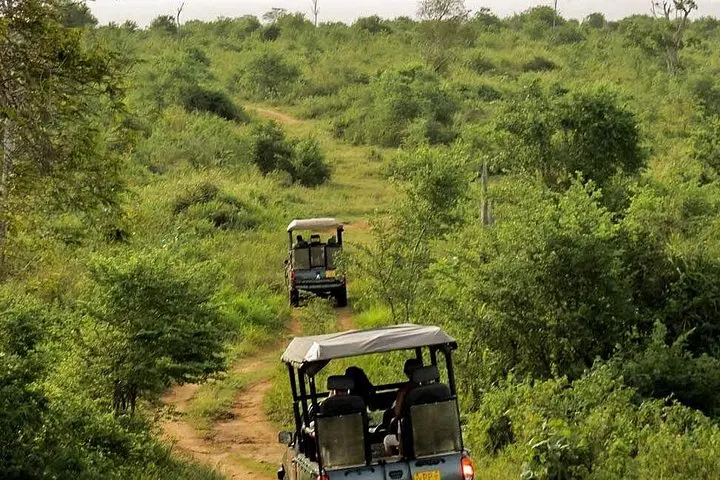
The jeep bumps onto a red-dust track and the tall grasses of Udawalawe part like a crowd watching a slow parade. Morning light strikes the Walawe River and the air smells of warm earth; elephants drift toward the water, birds wheel above and the driver’s voice falls to a hush as the tracker scans the horizon.
The jeep bumps onto a red-dust track and the tall grasses of Udawalawe part like a crowd watching a slow parade. Morning light strikes the Walawe River and the air smells of warm earth; elephants drift toward the water, birds wheel above and the driver’s voice falls to a hush as the tracker scans the horizon.
Udawalawe was designated a national park on 30 June 1972 to protect habitat along the Walawe catchment. The reserve covers roughly 120 square miles of plains, marshes and forest fragments framed by higher terrain on its northern edge. Geology here favors eroded ridges and alluvial flats fed by seasonal tributaries; those waterlines are where wildlife concentrates during the dry months.
Local culture is tied to the land: small farming towns around the park use the reservoir and seasonal streams, and the nearby Elephant Transit Home provides a window into conservation efforts for orphaned calves. Expect a landscape that alternates between open grassland—where animals move slowly and deliberately—and pockets of thicker scrub where predators and birds hide.
Practically, this is a three-hour private jeep safari with an included entrance ticket and a maximum of six passengers per vehicle. Morning or late-afternoon runs give the best light and animal activity. Bring a wide lens or binoculars, layered sun protection, and a refillable water bottle (one is provided but extras are handy). Respect the tracker’s instructions, stay seated, and keep noise low: that’s how sightings turn from glimpses into proper encounters.