THE ADVENTURE COLLECTIVE® · Independent discovery and booking for outdoor travel

Explore Versailles with priority access to the palace, gardens, and Trianon estates—perfect for a half‑day or full‑day excursion from Paris. Learn how to move between the fountains, Hall of Mirrors, and Marie‑Antoinette’s retreat while avoiding common timing pitfalls.
Explore Versailles with priority access to the palace, gardens, and Trianon estates—perfect for a half‑day or full‑day excursion from Paris. Learn how to move between the fountains, Hall of Mirrors, and Marie‑Antoinette’s retreat while avoiding common timing pitfalls.
A low sun catches gilt frame and marble as you cross the wide cobbles into the Cour d'Honneur of Versailles. The fountains in the gardens dare you to slow down; the long axis of the Grand Canal pulls your gaze toward the horizon. Inside, the Hall of Mirrors hums with lacquer and light; outside, terraces and groves alternate like chapters in a garden book.
Verified experiences and guided adventures in the surrounding area.
Operated by Wanderung · Versailles, Île-de-France
A low sun catches gilt frame and marble as you cross the wide cobbles into the Cour d'Honneur of Versailles. The fountains in the gardens dare you to slow down; the long axis of the Grand Canal pulls your gaze toward the horizon. Inside, the Hall of Mirrors hums with lacquer and light; outside, terraces and groves alternate like chapters in a garden book.
Versailles grew from a 17th‑century hunting lodge into the principal royal residence under Louis XIV, shaped by architect Jules Hardouin‑Mansart and landscaper André Le Nôtre. The palace is a prime example of French Baroque—formal geometry, sculpted waterworks, and rooms built to perform power. The Grand and Petit Trianon buildings and Marie‑Antoinette’s estate offer quieter, domestic contrasts to the ceremonial state apartments.
Practically, plan this as a half‑to‑full day: gardens, Trianons, and the palace together fit into a 2–5 hour visit depending on queues. The Gardens and Park open earlier than the palace; musical fountain shows run April–October and may require a separate ticket. Your mobile or PDF ticket is required at entry; a downloadable audio guide app provides context if you prefer self‑guided pacing. Expect queue variability (30–60 minutes in high season) even with priority entry—use the time to walk the terraces or the Orangerie.
Transit via RER C to Versailles Château‑Rive Gauche places you a 10–15 minute walk from the main gates. Respect roped areas and seasonal planting schedules: the site is a living cultural landscape that depends on visitor care.
Yes—your booking confirmation voucher isn’t accepted at the entrance; you must show the PDF ticket sent to your email or the Viator app.
The formal Gardens and Park are open every day, but Musical Fountain events run seasonally (typically April–October) and may require a separate ticket.
Main routes and many rooms are wheelchair accessible, but some historic areas and garden paths can be uneven—check specific accessibility information before visiting.
Yes—full access options include the Grand and Petit Trianon and the Queen’s Hamlet, though Trianon buildings usually open later (around noon) on open days.
Wanderung operates guided outdoor trips and adventures with an emphasis on safety, stewardship, and memorable experiences.
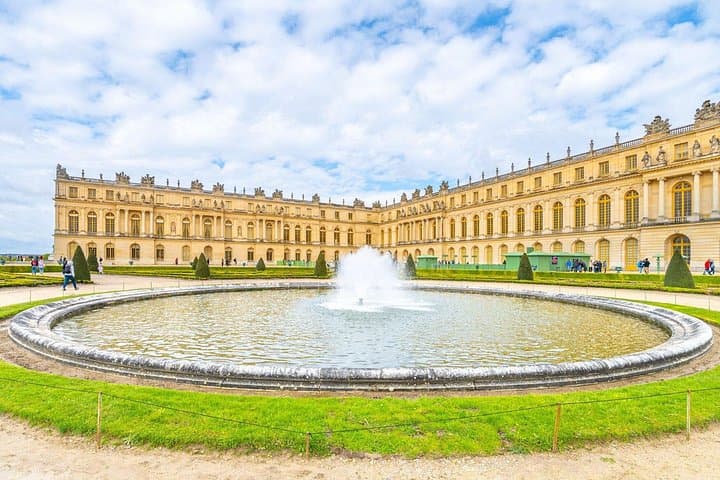


A low sun catches gilt frame and marble as you cross the wide cobbles into the Cour d'Honneur of Versailles. The fountains in the gardens dare you to slow down; the long axis of the Grand Canal pulls your gaze toward the horizon. Inside, the Hall of Mirrors hums with lacquer and light; outside, terraces and groves alternate like chapters in a garden book.
A low sun catches gilt frame and marble as you cross the wide cobbles into the Cour d'Honneur of Versailles. The fountains in the gardens dare you to slow down; the long axis of the Grand Canal pulls your gaze toward the horizon. Inside, the Hall of Mirrors hums with lacquer and light; outside, terraces and groves alternate like chapters in a garden book.
Versailles grew from a 17th‑century hunting lodge into the principal royal residence under Louis XIV, shaped by architect Jules Hardouin‑Mansart and landscaper André Le Nôtre. The palace is a prime example of French Baroque—formal geometry, sculpted waterworks, and rooms built to perform power. The Grand and Petit Trianon buildings and Marie‑Antoinette’s estate offer quieter, domestic contrasts to the ceremonial state apartments.
Practically, plan this as a half‑to‑full day: gardens, Trianons, and the palace together fit into a 2–5 hour visit depending on queues. The Gardens and Park open earlier than the palace; musical fountain shows run April–October and may require a separate ticket. Your mobile or PDF ticket is required at entry; a downloadable audio guide app provides context if you prefer self‑guided pacing. Expect queue variability (30–60 minutes in high season) even with priority entry—use the time to walk the terraces or the Orangerie.
Transit via RER C to Versailles Château‑Rive Gauche places you a 10–15 minute walk from the main gates. Respect roped areas and seasonal planting schedules: the site is a living cultural landscape that depends on visitor care.