THE ADVENTURE COLLECTIVE® · Independent discovery and booking for outdoor travel

Skip the queue and ride the elevator to 93 meters for 360-degree views of Prague’s skyline. This guided tour pairs fast entry with local history, modern art, and practical tips for making the most of the observation deck.
Skip the queue and ride the elevator to 93 meters for 360-degree views of Prague’s skyline. This guided tour pairs fast entry with local history, modern art, and practical tips for making the most of the observation deck.
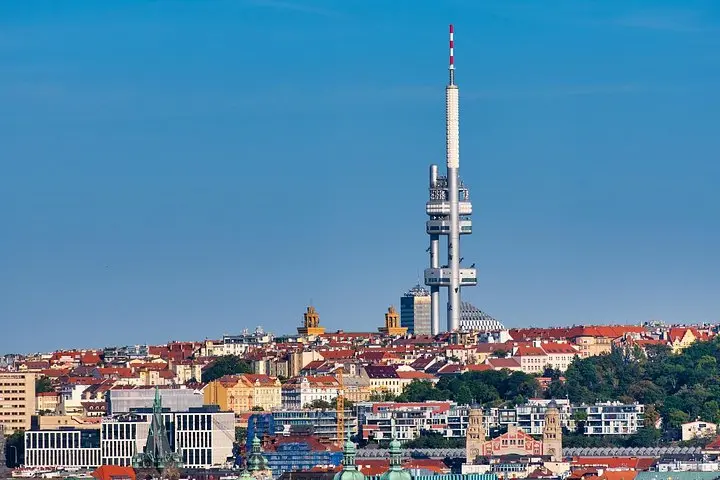
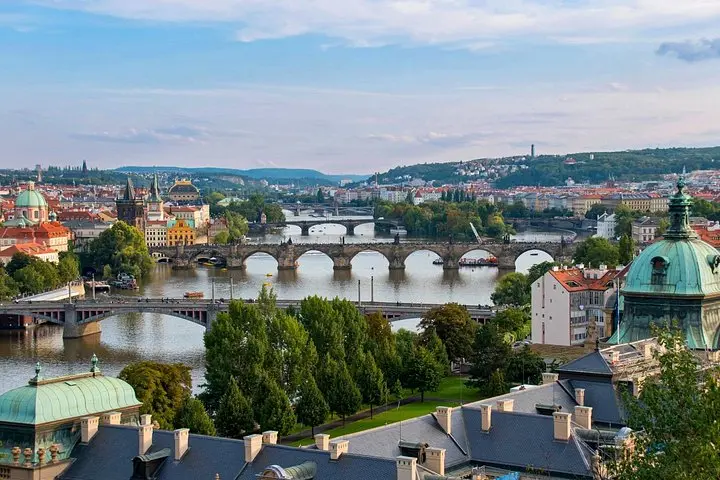
You step out into Žižkov’s energetic streets and the tower rises above the rooftops like a deliberate technical gesture—concrete pillars, steel pods and, perched high, a panoramic eye over Prague. The guide leads the way past murals and tram lines; within minutes an elevator carries you to the observation deck at about 93 meters, where the city unfolds in tidy blocks, red tile roofs and the Vltava threading through spires and bridges.
Verified experiences and guided adventures in the surrounding area.
Operated by Rosotravel - Ostrava City Tours · Prague, Prague
You step out into Žižkov’s energetic streets and the tower rises above the rooftops like a deliberate technical gesture—concrete pillars, steel pods and, perched high, a panoramic eye over Prague. The guide leads the way past murals and tram lines; within minutes an elevator carries you to the observation deck at about 93 meters, where the city unfolds in tidy blocks, red tile roofs and the Vltava threading through spires and bridges.
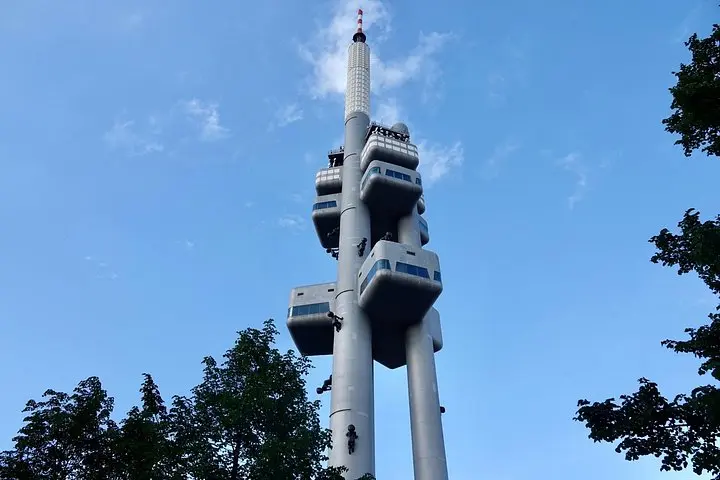
Built during the late communist era and finished in the early 1990s, the Žižkov Television Tower is as much a statement of modern engineering as it is a local landmark. Its raw verticality contrasts with Prague’s Baroque and Gothic cityscape; contemporary sculptures—most famously the crawling baby figures by David Černý—add a playful, contentious layer to its story.
Geologically the tower sits on the modest elevations of Žižkov, so views favor open sightlines rather than alpine drama; the experience is about urban scope rather than wilderness. Expect a guided narrative that connects landmarks—Old Town, Charles Bridge, Prague Castle—and offers local context about 20th-century Prague and recent cultural shifts.
Practical notes: the standard visit runs about 2–3 hours including meet-up and optional transfers. Skip-the-line tickets save time, and the site is wheelchair-accessible, with an elevator to the deck. Bring a camera with a zoom, plan for wind and bright light at height, and time your visit for late afternoon if you want golden-hour light with fewer crowds. The tour balances fast access and informed commentary—ideal for travelers who want panoramic perspective without the queue.
Yes; the tour provides skip-the-line tickets so you bypass the ticket office and go straight to the entrance.
Yes—the observation deck is reachable by elevator and the attraction notes wheelchair accessibility; check transfer accessibility if using pickup service.
The tour itself runs about two hours; the 3-hour option includes roughly one hour of round-trip transfers depending on your accommodation location.
No—the 3-hour option includes private round-trip transfers; the 2-hour option is walk-in only without transfers.
Rosotravel - Ostrava City Tours operates guided outdoor trips and adventures with an emphasis on safety, stewardship, and memorable experiences.
You step out into Žižkov’s energetic streets and the tower rises above the rooftops like a deliberate technical gesture—concrete pillars, steel pods and, perched high, a panoramic eye over Prague. The guide leads the way past murals and tram lines; within minutes an elevator carries you to the observation deck at about 93 meters, where the city unfolds in tidy blocks, red tile roofs and the Vltava threading through spires and bridges.
You step out into Žižkov’s energetic streets and the tower rises above the rooftops like a deliberate technical gesture—concrete pillars, steel pods and, perched high, a panoramic eye over Prague. The guide leads the way past murals and tram lines; within minutes an elevator carries you to the observation deck at about 93 meters, where the city unfolds in tidy blocks, red tile roofs and the Vltava threading through spires and bridges.
Built during the late communist era and finished in the early 1990s, the Žižkov Television Tower is as much a statement of modern engineering as it is a local landmark. Its raw verticality contrasts with Prague’s Baroque and Gothic cityscape; contemporary sculptures—most famously the crawling baby figures by David Černý—add a playful, contentious layer to its story.
Geologically the tower sits on the modest elevations of Žižkov, so views favor open sightlines rather than alpine drama; the experience is about urban scope rather than wilderness. Expect a guided narrative that connects landmarks—Old Town, Charles Bridge, Prague Castle—and offers local context about 20th-century Prague and recent cultural shifts.
Practical notes: the standard visit runs about 2–3 hours including meet-up and optional transfers. Skip-the-line tickets save time, and the site is wheelchair-accessible, with an elevator to the deck. Bring a camera with a zoom, plan for wind and bright light at height, and time your visit for late afternoon if you want golden-hour light with fewer crowds. The tour balances fast access and informed commentary—ideal for travelers who want panoramic perspective without the queue.