THE ADVENTURE COLLECTIVE® · Independent discovery and booking for outdoor travel

Walk from the Kale fortress down through the Old Bazaar and across the Stone Bridge to see Skopje’s medieval, Ottoman, bourgeois and socialist architecture in one compact route. This 2–3 hour guided tour pairs history with contemporary urban life.
Walk from the Kale fortress down through the Old Bazaar and across the Stone Bridge to see Skopje’s medieval, Ottoman, bourgeois and socialist architecture in one compact route. This 2–3 hour guided tour pairs history with contemporary urban life.
You step onto the fortress ridge and the city unfolds: the Vardar River threading its way through stone bridges, the Old Bazaar's narrow lanes folding under the shadow of a centuries-old mosque, and across the water, concrete slabs and neoclassical facades arguing for space in the skyline.
Verified experiences and guided adventures in the surrounding area.
Operated by Noemi · Skopje, Skopje Region
You step onto the fortress ridge and the city unfolds: the Vardar River threading its way through stone bridges, the Old Bazaar's narrow lanes folding under the shadow of a centuries-old mosque, and across the water, concrete slabs and neoclassical facades arguing for space in the skyline.
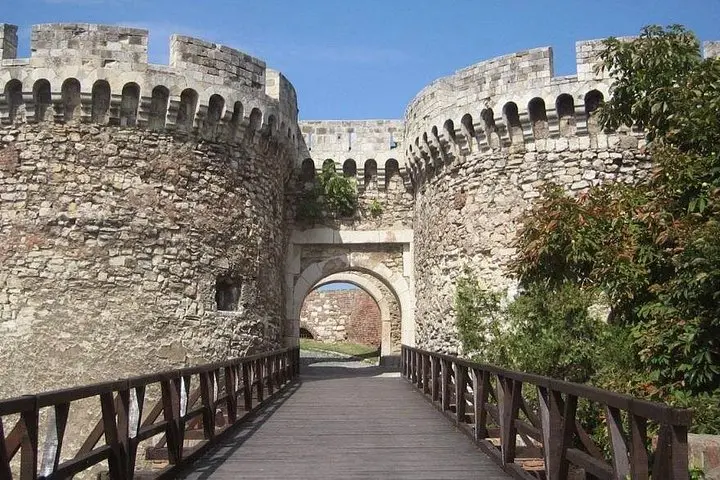
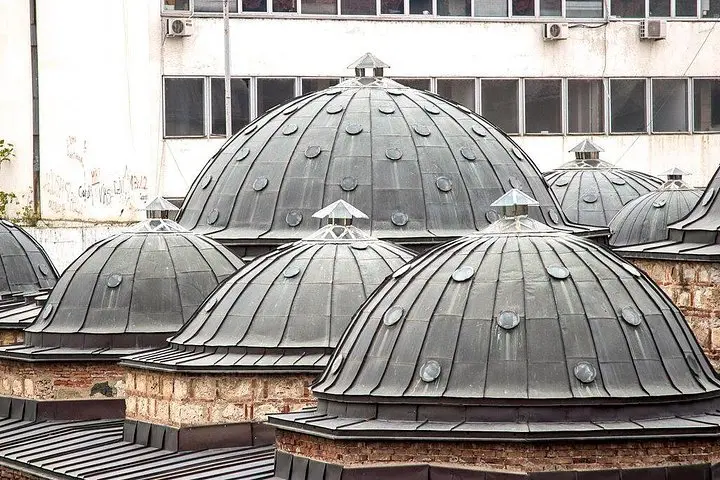
This guided walk traces Skopje’s layered identity—medieval ramparts at Kale, Ottoman hammams and mosques that still scent the air after prayer, bourgeois palaces of the late 19th century, and the bold, blocky language of post-1963 earthquake reconstruction. The tour moves beyond postcard sites into quieter residential streets where Yugoslav-era housing and contemporary infill reveal social change written in brick and concrete.
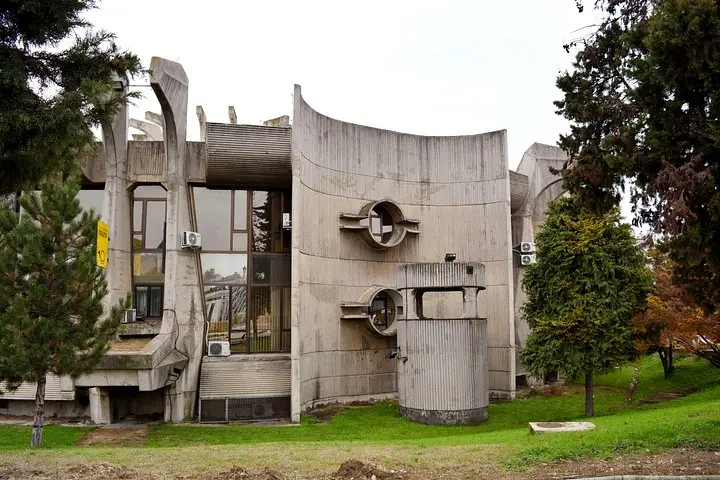
Geology and history meet in the river valley: the Vardar carved the corridor that made Skopje a regional crossroads, while a powerful 1963 quake reshaped urban planning and spawned the city’s most conspicuous brutalist statements. Locals debate restoration and “rebranding” projects—modern interventions that are as much cultural commentary as architecture.
Practically, expect 2–3 hours of mostly flat walking with brief uphill sections at the fortress (moderate steps, low elevation gain). Bring comfortable shoes, water, and a charged phone for photos and maps; the guide provides context, recommendations for cafés, nightlife, and further exploration. The route is compact enough for a half-day but rich in layers—every façade tells an episode of Skopje’s evolving story.
The tour runs about 2–3 hours and covers roughly 2–4 km of mostly flat city center streets with a short uphill section at the fortress.
The route is generally easy but includes cobblestones and some stairs at the fortress; contact the operator if you require step-free options.
Most exterior stops are included in the walk; mosque interiors are accessible outside prayer times but museum admissions are generally not included unless specified.
Tours are led by a professional architect-guides—confirm language and exact meeting point on booking. Central meeting spots are usually at the fortress or Old Bazaar entrance.
Noemi operates guided outdoor trips and adventures with an emphasis on safety, stewardship, and memorable experiences.
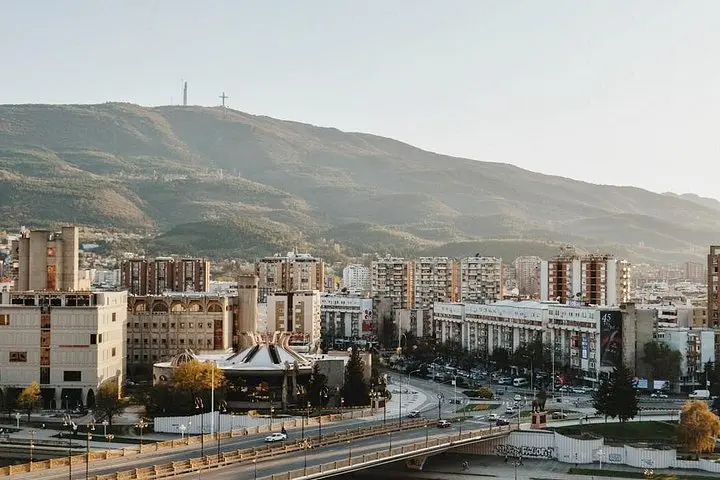
You step onto the fortress ridge and the city unfolds: the Vardar River threading its way through stone bridges, the Old Bazaar's narrow lanes folding under the shadow of a centuries-old mosque, and across the water, concrete slabs and neoclassical facades arguing for space in the skyline.
You step onto the fortress ridge and the city unfolds: the Vardar River threading its way through stone bridges, the Old Bazaar's narrow lanes folding under the shadow of a centuries-old mosque, and across the water, concrete slabs and neoclassical facades arguing for space in the skyline.
This guided walk traces Skopje’s layered identity—medieval ramparts at Kale, Ottoman hammams and mosques that still scent the air after prayer, bourgeois palaces of the late 19th century, and the bold, blocky language of post-1963 earthquake reconstruction. The tour moves beyond postcard sites into quieter residential streets where Yugoslav-era housing and contemporary infill reveal social change written in brick and concrete.
Geology and history meet in the river valley: the Vardar carved the corridor that made Skopje a regional crossroads, while a powerful 1963 quake reshaped urban planning and spawned the city’s most conspicuous brutalist statements. Locals debate restoration and “rebranding” projects—modern interventions that are as much cultural commentary as architecture.
Practically, expect 2–3 hours of mostly flat walking with brief uphill sections at the fortress (moderate steps, low elevation gain). Bring comfortable shoes, water, and a charged phone for photos and maps; the guide provides context, recommendations for cafés, nightlife, and further exploration. The route is compact enough for a half-day but rich in layers—every façade tells an episode of Skopje’s evolving story.