THE ADVENTURE COLLECTIVE® · Independent discovery and booking for outdoor travel

See Tokyo on your own terms from the top deck of the SkyHop double-decker. This hop-on hop-off network links historic Asakusa, modern Shinjuku, and waterfront Odaiba with flexible 1–2 day passes and accessible boarding.
See Tokyo on your own terms from the top deck of the SkyHop double-decker. This hop-on hop-off network links historic Asakusa, modern Shinjuku, and waterfront Odaiba with flexible 1–2 day passes and accessible boarding.
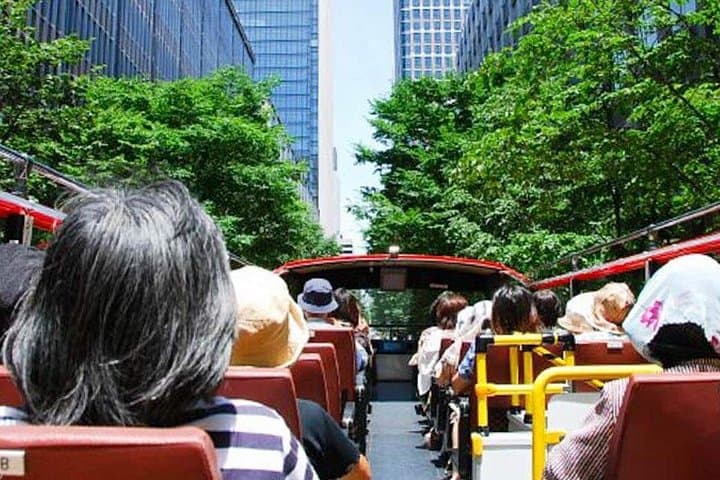
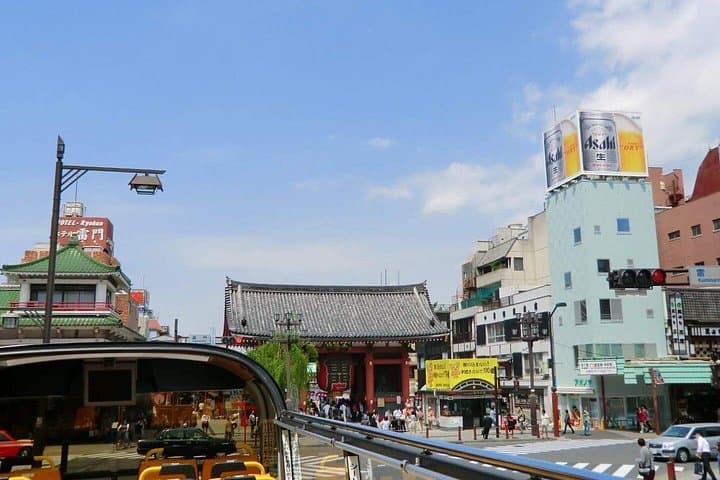
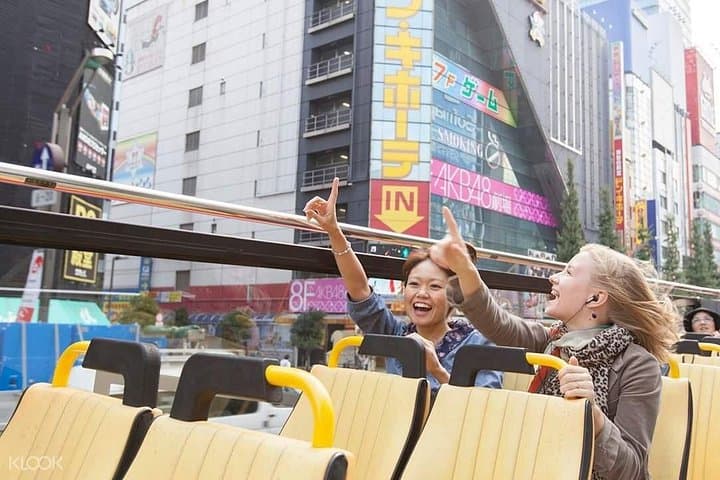
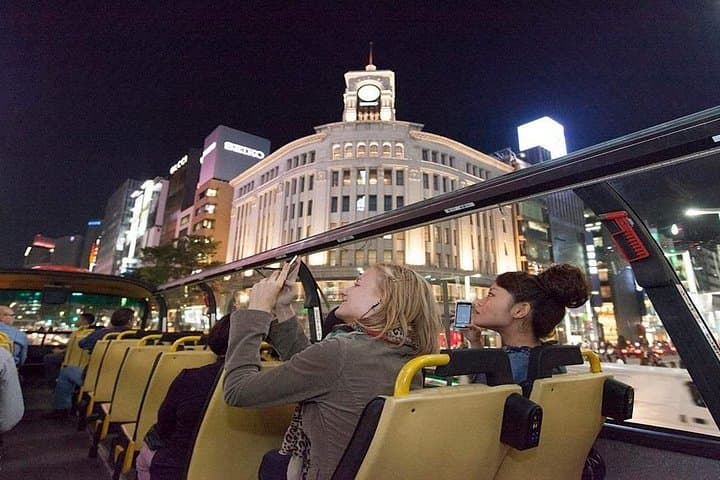
You climb the stairs to the open top as the bus rolls away from Marunouchi and the city opens in layers: the lacquered roofs of Senso-ji, the glass planes of Shinjuku, the curved silhouette of Fuji Television along the bay. Wind pushes through the upper deck and the city’s noise arranges itself into a readable map of neighborhoods.
Verified experiences and guided adventures in the surrounding area.
Operated by Trevopedia Wonders · Tokyo, Tokyo
You climb the stairs to the open top as the bus rolls away from Marunouchi and the city opens in layers: the lacquered roofs of Senso-ji, the glass planes of Shinjuku, the curved silhouette of Fuji Television along the bay. Wind pushes through the upper deck and the city’s noise arranges itself into a readable map of neighborhoods.
Tokyo is a city of fast geological and cultural edits — lowland river channels and landfill-formed bays meet centuries-old temple districts once part of Edo. The SkyHop routes stitch those chapters together, connecting Asakusa’s wooden gates and market streets to the neon geometry of Shibuya and the engineered shorelines of Odaiba. Along the way you’ll pass sites tied to Tokugawa-era trade, postwar rebuilding, and modern architecture, each stop a lens on how Tokyo rebuilt itself after earthquakes and war.
Practical guidance: tickets are valid for one or two consecutive days depending on the pass; redeem vouchers at the Marunouchi ticket counter or any staffed stop. Buses run roughly every 25–40 minutes with first departures around 9:10–9:20 a.m. and final services in the early evening — plan downtown loops for mornings and bay routes for late afternoons when light favors skyline photos.
Accessibility is strong (wheelchair-accessible services and staff assistance available), but bring a portable charger, comfortable shoes for walking between stops, and a rain layer during the summer rainy season. Peak commute and weekend shopping hours are busiest; ride an off-peak loop to sample quieter neighborhoods and use the onboard Wi‑Fi for route planning.
Show your mobile or printed voucher to staff at the Marunouchi Skybus Ticket Center or at any staffed SkyHop stop to receive your physical or digital pass.
Yes — SkyHop lists wheelchair accessibility for vehicles and stops; contact staff at redemption for any ramps or boarding assistance.
Yes — the pass covers all SkyHop routes within the valid time (1 or 2 consecutive days depending on the ticket purchased).
All sales are final, but operators may cancel services for severe weather; check the booking terms and contact the provider directly for weather-related guidance.
Trevopedia Wonders operates guided outdoor trips and adventures with an emphasis on safety, stewardship, and memorable experiences.
You climb the stairs to the open top as the bus rolls away from Marunouchi and the city opens in layers: the lacquered roofs of Senso-ji, the glass planes of Shinjuku, the curved silhouette of Fuji Television along the bay. Wind pushes through the upper deck and the city’s noise arranges itself into a readable map of neighborhoods.
You climb the stairs to the open top as the bus rolls away from Marunouchi and the city opens in layers: the lacquered roofs of Senso-ji, the glass planes of Shinjuku, the curved silhouette of Fuji Television along the bay. Wind pushes through the upper deck and the city’s noise arranges itself into a readable map of neighborhoods.
Tokyo is a city of fast geological and cultural edits — lowland river channels and landfill-formed bays meet centuries-old temple districts once part of Edo. The SkyHop routes stitch those chapters together, connecting Asakusa’s wooden gates and market streets to the neon geometry of Shibuya and the engineered shorelines of Odaiba. Along the way you’ll pass sites tied to Tokugawa-era trade, postwar rebuilding, and modern architecture, each stop a lens on how Tokyo rebuilt itself after earthquakes and war.
Practical guidance: tickets are valid for one or two consecutive days depending on the pass; redeem vouchers at the Marunouchi ticket counter or any staffed stop. Buses run roughly every 25–40 minutes with first departures around 9:10–9:20 a.m. and final services in the early evening — plan downtown loops for mornings and bay routes for late afternoons when light favors skyline photos.
Accessibility is strong (wheelchair-accessible services and staff assistance available), but bring a portable charger, comfortable shoes for walking between stops, and a rain layer during the summer rainy season. Peak commute and weekend shopping hours are busiest; ride an off-peak loop to sample quieter neighborhoods and use the onboard Wi‑Fi for route planning.