THE ADVENTURE COLLECTIVE® · Independent discovery and booking for outdoor travel

Take an elevated stroll through Milwaukee’s downtown skywalk system. This 90-minute, wheelchair-accessible tour covers roughly a mile of architecture, public art, and urban history — perfect when weather keeps you inside but city views are still on the agenda.
Take an elevated stroll through Milwaukee’s downtown skywalk system. This 90-minute, wheelchair-accessible tour covers roughly a mile of architecture, public art, and urban history — perfect when weather keeps you inside but city views are still on the agenda.
Step one story up and the city shifts: windows frame brick and steel, rivers edge into view and the street noise becomes a distant pulse. The Skywaukee Walking Tour threads Milwaukee’s interconnected skywalks for about a mile of elevated walking, letting you read the city from above — civic architecture, murals, and repurposed commercial spaces reveal themselves one corridor at a time.
Verified experiences and guided adventures in the surrounding area.
Operated by Historic Milwaukee · Milwaukee, Wisconsin
Step one story up and the city shifts: windows frame brick and steel, rivers edge into view and the street noise becomes a distant pulse. The Skywaukee Walking Tour threads Milwaukee’s interconnected skywalks for about a mile of elevated walking, letting you read the city from above — civic architecture, murals, and repurposed commercial spaces reveal themselves one corridor at a time.
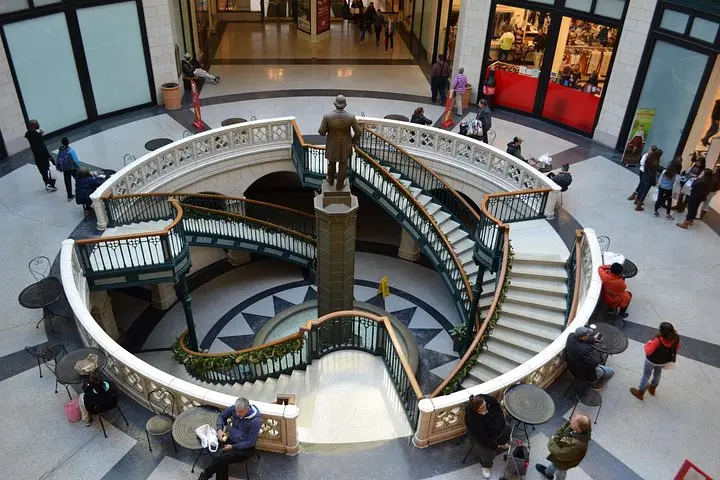
The route traces recent chapters in Milwaukee’s urban renewal: the Grand Avenue Mall’s transformation into Third Street Market Hall and The Avenue, the revival of Water Street, and adaptive reuse of theaters like the Warner. Indigenous history is woven into the narrative — Potawatomi, Menominee and Ho-Chunk communities shaped the riverbanks long before the grid — and the guide highlights how the downtown footprint evolved through industry, immigration, and preservation efforts.
Geology is subtle here: glacial plain soils underlie the urban fabric, and the Milwaukee and Kinnickinnic rivers still shape where bridges and alleys form. Architectural features — 1930s movie palaces, art deco details, modern glass volumes — give the walk texture. Local insights point to the Richard Haas murals and the Riverside and Warner theaters as visual anchors.
Practical guide: the tour lasts about 90 minutes and covers roughly one mile, mostly on flat, accessible surfaces with occasional stairs; elevators are available. Wear comfortable shoes, carry a light jacket for exposed skywalk sections, and bring a bottle of water. Midday tours get the best light for murals and window views; early afternoon avoids peak pedestrian traffic. The tour is family- and wheelchair-friendly and makes a compact, weather-resistant way to see downtown Milwaukee’s layers in one walk.
Yes; the route uses skywalks with elevators and accessible surfaces — operators note wheelchair accessibility in the listing.
The tour runs about 90 minutes and covers roughly one mile at a leisurely pace with several stops.
This indoor-focused tour is designed for all weather; severe conditions may still prompt a cancellation per the operator’s policy.
Yes; the tour is family-friendly and stroller-accessible, though infants in strollers may be moved through tighter skywalk segments.
Historic Milwaukee operates guided outdoor trips and adventures with an emphasis on safety, stewardship, and memorable experiences.
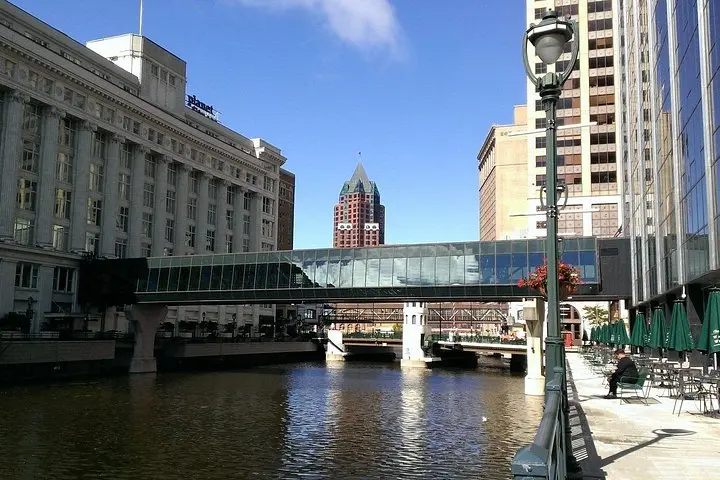
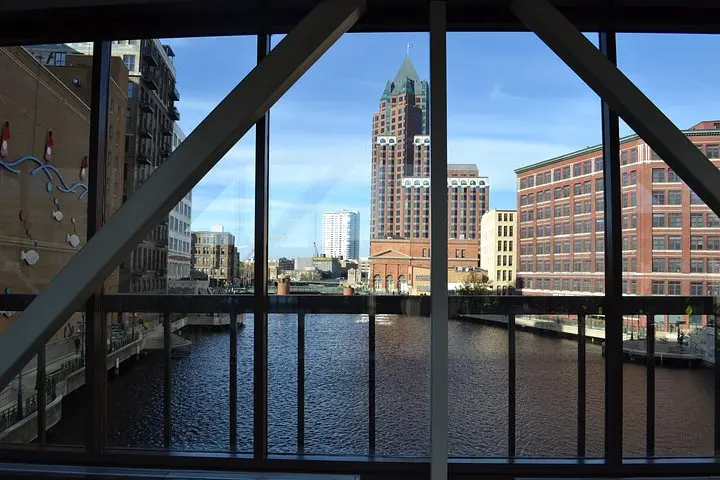
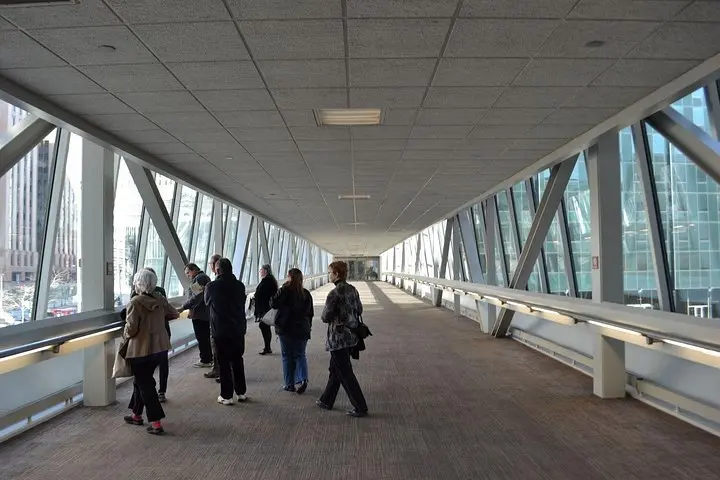
Step one story up and the city shifts: windows frame brick and steel, rivers edge into view and the street noise becomes a distant pulse. The Skywaukee Walking Tour threads Milwaukee’s interconnected skywalks for about a mile of elevated walking, letting you read the city from above — civic architecture, murals, and repurposed commercial spaces reveal themselves one corridor at a time.
Step one story up and the city shifts: windows frame brick and steel, rivers edge into view and the street noise becomes a distant pulse. The Skywaukee Walking Tour threads Milwaukee’s interconnected skywalks for about a mile of elevated walking, letting you read the city from above — civic architecture, murals, and repurposed commercial spaces reveal themselves one corridor at a time.
The route traces recent chapters in Milwaukee’s urban renewal: the Grand Avenue Mall’s transformation into Third Street Market Hall and The Avenue, the revival of Water Street, and adaptive reuse of theaters like the Warner. Indigenous history is woven into the narrative — Potawatomi, Menominee and Ho-Chunk communities shaped the riverbanks long before the grid — and the guide highlights how the downtown footprint evolved through industry, immigration, and preservation efforts.
Geology is subtle here: glacial plain soils underlie the urban fabric, and the Milwaukee and Kinnickinnic rivers still shape where bridges and alleys form. Architectural features — 1930s movie palaces, art deco details, modern glass volumes — give the walk texture. Local insights point to the Richard Haas murals and the Riverside and Warner theaters as visual anchors.
Practical guide: the tour lasts about 90 minutes and covers roughly one mile, mostly on flat, accessible surfaces with occasional stairs; elevators are available. Wear comfortable shoes, carry a light jacket for exposed skywalk sections, and bring a bottle of water. Midday tours get the best light for murals and window views; early afternoon avoids peak pedestrian traffic. The tour is family- and wheelchair-friendly and makes a compact, weather-resistant way to see downtown Milwaukee’s layers in one walk.