THE ADVENTURE COLLECTIVE® · Independent discovery and booking for outdoor travel

Hop into a sled and join a musher for a 2‑mile training run at Trail Breaker Kennel near Fairbanks. This 30‑minute sampler showcases champion Alaskan Huskies, frozen rivers, and a hands‑on introduction to dog mushing.
Hop into a sled and join a musher for a 2‑mile training run at Trail Breaker Kennel near Fairbanks. This 30‑minute sampler showcases champion Alaskan Huskies, frozen rivers, and a hands‑on introduction to dog mushing.
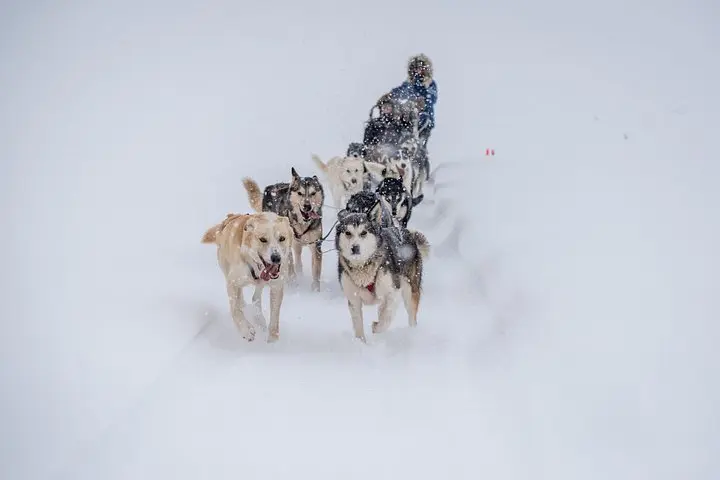
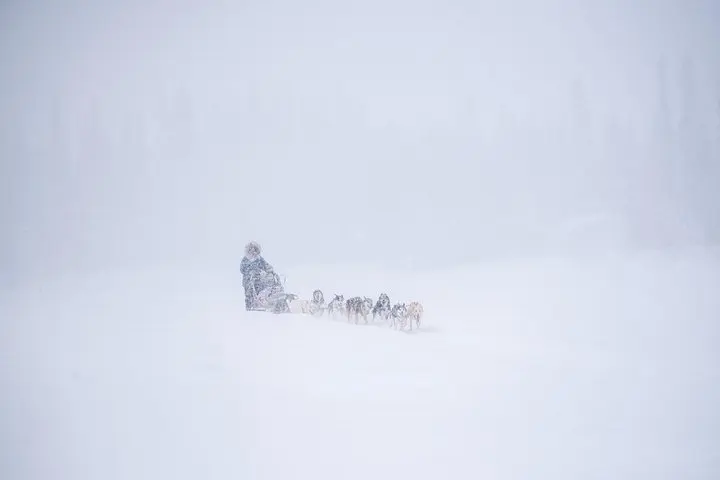
The sled slips forward and the dogs push the cold air into motion — breath steaming, paws spitting ice, the guide a steady voice at the back. On this 2‑mile sampler from Trail Breaker Kennel, riders share a compact, exhilarating slice of Alaskan mushing: snow‑scoured forest corridors, open fields that let the teams stretch their gait, and a brisk run across a frozen river.
Verified experiences and guided adventures in the surrounding area.
Operated by Trail Breaker Kennel · Fairbanks, Alaska
The sled slips forward and the dogs push the cold air into motion — breath steaming, paws spitting ice, the guide a steady voice at the back. On this 2‑mile sampler from Trail Breaker Kennel, riders share a compact, exhilarating slice of Alaskan mushing: snow‑scoured forest corridors, open fields that let the teams stretch their gait, and a brisk run across a frozen river.
Trail Breaker Kennel owes much of its identity to Susan Butcher, whose championship pedigree helped bring mushing to national attention; that legacy is visible in how dogs and handlers move as a single, practiced unit. Geologically, the route threads the interior lowlands of central Alaska — river flats carved by seasonal flooding, interspersed with spruce‑dominated uplands that hold cold and quiet. Locally, mushers are as much cultural carriers as racers, sharing stories about sled maintenance, husky care, and the seasonal rhythms that govern training.
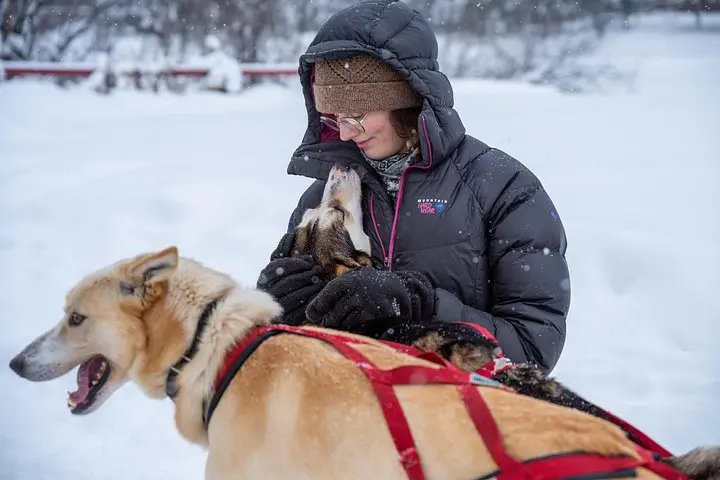
Practical details are simple and vital. Tours run from the winter office just off Airport Industrial Road, last about 30 minutes on the sled, and include a briefing with safety notes and dog introductions. Temperatures can swing quickly; the kennel cancels at extreme lows (-25°F), and weight limits apply. Dress in layered, insulated clothing, protect extremities, and allow time for gear checks and a short orientation.
For first‑timers this ride is an efficient way to experience true mushing technique and the athletic personality of Alaskan Huskies without committing to a full expedition. It’s short, sensory, and instructive — the kind of outing that leaves riders wanting more.
The ride portion is a 2‑mile training run that lasts about 30 minutes; allow extra time for briefing and gear fitting.
Yes—it's family‑friendly, but guests must meet the 250 lb (113 kg) weight limit and handlers may set age recommendations on site.
Tours are canceled if temperatures reach -25°F or lower for safety; the kennel will notify bookings if a cancellation is required.
No prior experience is required—guides provide orientation and riders sit with the musher for guidance during the run.
Trail Breaker Kennel operates guided outdoor trips and adventures with an emphasis on safety, stewardship, and memorable experiences.
The sled slips forward and the dogs push the cold air into motion — breath steaming, paws spitting ice, the guide a steady voice at the back. On this 2‑mile sampler from Trail Breaker Kennel, riders share a compact, exhilarating slice of Alaskan mushing: snow‑scoured forest corridors, open fields that let the teams stretch their gait, and a brisk run across a frozen river.
The sled slips forward and the dogs push the cold air into motion — breath steaming, paws spitting ice, the guide a steady voice at the back. On this 2‑mile sampler from Trail Breaker Kennel, riders share a compact, exhilarating slice of Alaskan mushing: snow‑scoured forest corridors, open fields that let the teams stretch their gait, and a brisk run across a frozen river.
Trail Breaker Kennel owes much of its identity to Susan Butcher, whose championship pedigree helped bring mushing to national attention; that legacy is visible in how dogs and handlers move as a single, practiced unit. Geologically, the route threads the interior lowlands of central Alaska — river flats carved by seasonal flooding, interspersed with spruce‑dominated uplands that hold cold and quiet. Locally, mushers are as much cultural carriers as racers, sharing stories about sled maintenance, husky care, and the seasonal rhythms that govern training.
Practical details are simple and vital. Tours run from the winter office just off Airport Industrial Road, last about 30 minutes on the sled, and include a briefing with safety notes and dog introductions. Temperatures can swing quickly; the kennel cancels at extreme lows (-25°F), and weight limits apply. Dress in layered, insulated clothing, protect extremities, and allow time for gear checks and a short orientation.
For first‑timers this ride is an efficient way to experience true mushing technique and the athletic personality of Alaskan Huskies without committing to a full expedition. It’s short, sensory, and instructive — the kind of outing that leaves riders wanting more.