THE ADVENTURE COLLECTIVE® · Independent discovery and booking for outdoor travel

Spend a night on the Uros floating islands of Lake Titicaca in a traditional homestay. Learn reed construction, try artisanal fishing, and watch one of the lake’s famous sunsets from a totora boat.
Spend a night on the Uros floating islands of Lake Titicaca in a traditional homestay. Learn reed construction, try artisanal fishing, and watch one of the lake’s famous sunsets from a totora boat.
Wind from the high plains pushes across Lake Titicaca and the reed islands bob gently, their edges brushing the slow ripple of water as a family lights a small stove inside a reed cabin. You step off a totora boat onto a woven platform and the world feels pared down to sky, water and the steady work of people who have lived here for generations.
Verified experiences and guided adventures in the surrounding area.
Operated by Inca Lake · Puno, Puno
Wind from the high plains pushes across Lake Titicaca and the reed islands bob gently, their edges brushing the slow ripple of water as a family lights a small stove inside a reed cabin. You step off a totora boat onto a woven platform and the world feels pared down to sky, water and the steady work of people who have lived here for generations.
The Uros are an indigenous people who crafted floating islands from layers of totora reed long before modern borders; the reed beds themselves grow in the shallow edge of the lake and help define the lake’s unique ecology. Geologically, Titicaca sits in a high Andean basin carved by glacial and tectonic forces; the altitude—roughly 3,800–3,900 m—makes light sharp and nights noticeably cold.
Culturally this is a hands-on homestay: you’ll learn to cut and bundle totora, see reed boat construction, and try artisanal fishing nets while local hosts explain stories passed across generations. Sunset from a reed boat here trims the horizon in gold; the islands themselves creak and breathe as the lake shifts beneath.
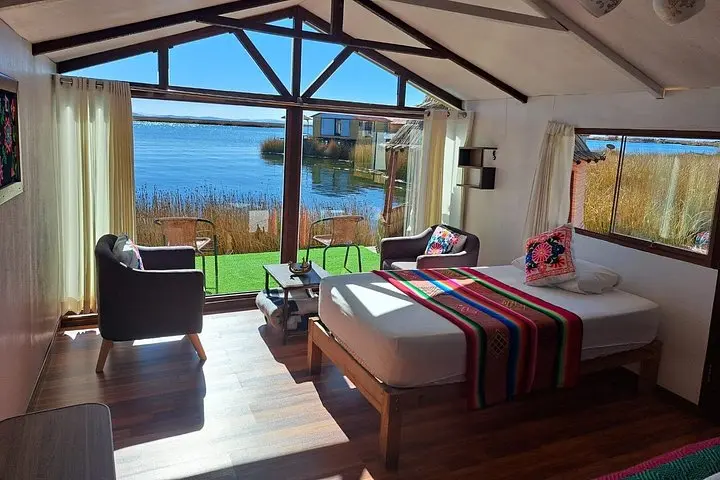
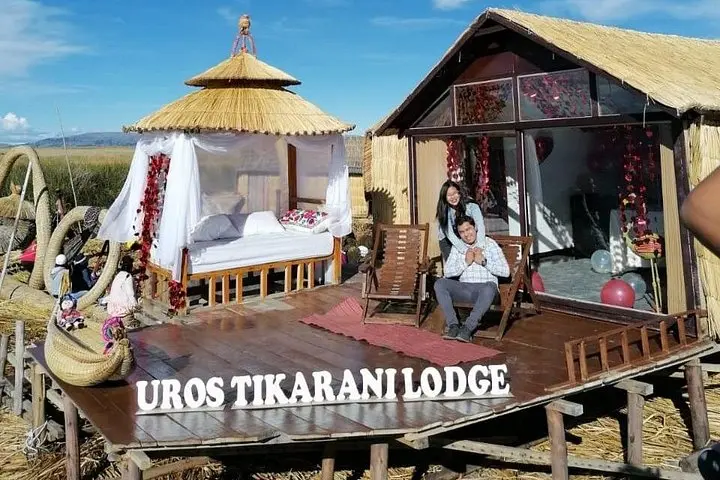
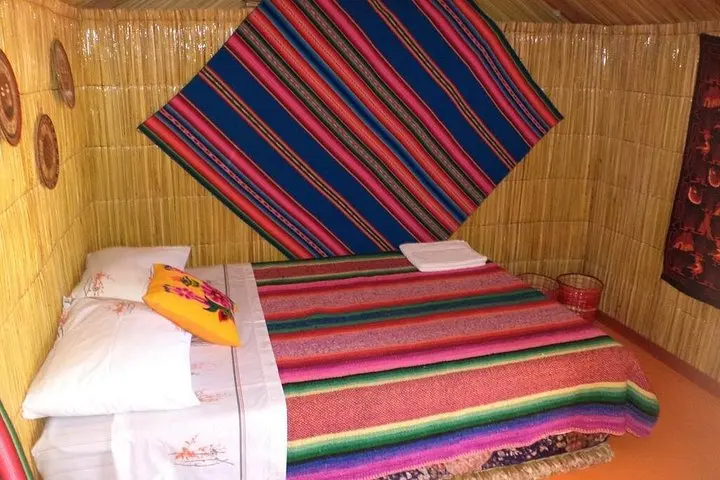
Practical notes: expect basic but comfortable overnight lodging; bring warm layers, sun protection and a small headlamp. Hydrate well to adjust to altitude and plan gentle activity the first day. Hotel pickup from Puno is usually arranged, and dietary requests (vegetarian) are manageable with advance notice. If you want to continue to Taquile Island, request that extension early—boat schedules are weather-dependent. This is a cultural, low-impact stay that rewards patience, curiosity and respect for island life.
The islands lie a short boat ride from Puno (typically 30–60 minutes depending on launch point); most operators include hotel pickup and drop-off.
Accommodations are basic family-run reed lodges with simple beds and shared facilities—meals are home-cooked and reflective of local ingredients.
Yes; vegetarian options are available if requested at booking, but menus are traditional and may be limited in variety.
Yes—Lake Titicaca sits near 3,800–3,900 m. Allow time to acclimatize, hydrate, and avoid heavy exertion on arrival; seek medical advice if symptoms persist.
Inca Lake operates guided outdoor trips and adventures with an emphasis on safety, stewardship, and memorable experiences.
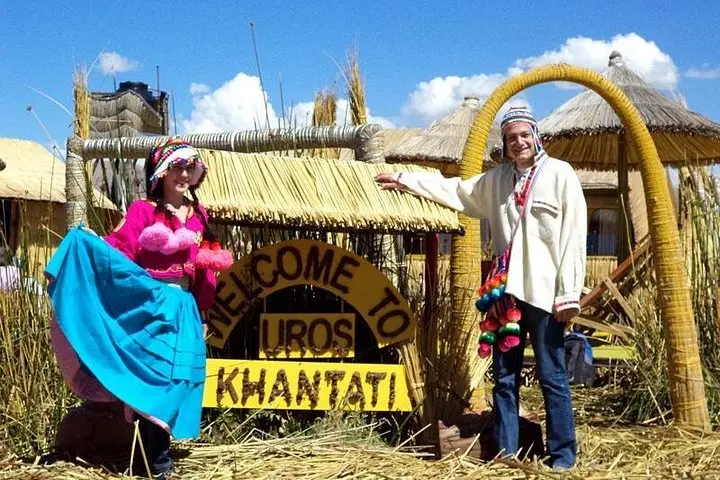
Wind from the high plains pushes across Lake Titicaca and the reed islands bob gently, their edges brushing the slow ripple of water as a family lights a small stove inside a reed cabin. You step off a totora boat onto a woven platform and the world feels pared down to sky, water and the steady work of people who have lived here for generations.
Wind from the high plains pushes across Lake Titicaca and the reed islands bob gently, their edges brushing the slow ripple of water as a family lights a small stove inside a reed cabin. You step off a totora boat onto a woven platform and the world feels pared down to sky, water and the steady work of people who have lived here for generations.
The Uros are an indigenous people who crafted floating islands from layers of totora reed long before modern borders; the reed beds themselves grow in the shallow edge of the lake and help define the lake’s unique ecology. Geologically, Titicaca sits in a high Andean basin carved by glacial and tectonic forces; the altitude—roughly 3,800–3,900 m—makes light sharp and nights noticeably cold.
Culturally this is a hands-on homestay: you’ll learn to cut and bundle totora, see reed boat construction, and try artisanal fishing nets while local hosts explain stories passed across generations. Sunset from a reed boat here trims the horizon in gold; the islands themselves creak and breathe as the lake shifts beneath.
Practical notes: expect basic but comfortable overnight lodging; bring warm layers, sun protection and a small headlamp. Hydrate well to adjust to altitude and plan gentle activity the first day. Hotel pickup from Puno is usually arranged, and dietary requests (vegetarian) are manageable with advance notice. If you want to continue to Taquile Island, request that extension early—boat schedules are weather-dependent. This is a cultural, low-impact stay that rewards patience, curiosity and respect for island life.