THE ADVENTURE COLLECTIVE® · Independent discovery and booking for outdoor travel

Board an overnight sleeper and arrive at dawn to walk among the pharaohs: this full-day Luxor tour covers Karnak, Luxor Temple and multiple tombs in the Valley of the Kings. Ideal for travelers who want maximum archaeology in a single, well-paced day with a knowledgeable Egyptologist guide.
Board an overnight sleeper and arrive at dawn to walk among the pharaohs: this full-day Luxor tour covers Karnak, Luxor Temple and multiple tombs in the Valley of the Kings. Ideal for travelers who want maximum archaeology in a single, well-paced day with a knowledgeable Egyptologist guide.
Night on Ramses Station smells of diesel and strong coffee. You step aboard a sleeper and the city recedes as the train threads the Nile valley; by dawn the silhouettes of columns appear on the horizon and Luxor's temple roofs catch the sun.
Verified experiences and guided adventures in the surrounding area.
Operated by Sharm Club · Luxor, Luxor Governorate
Night on Ramses Station smells of diesel and strong coffee. You step aboard a sleeper and the city recedes as the train threads the Nile valley; by dawn the silhouettes of columns appear on the horizon and Luxor's temple roofs catch the sun.
Luxor, once the ancient city of Thebes, concentrates New Kingdom power in stone: Karnak's hypostyle halls, the processional avenue, Luxor Temple's upper terraces, and the carved tombs of the Valley of the Kings. Geologically, the east bank sits on Nile alluvium while the west bank's limestone cliffs hold pharaonic tombs carved into the desert; that contrast shapes how monuments sit in the landscape and how light reveals reliefs at different times of day. Culturally, modern Luxor is a working riverside town—vendors, feluccas, and mosque calls mix with ongoing conservation by the Ministry of Antiquities and local Egyptologists.
On a full-day sleeper-train itinerary you'll move fast: early morning arrivals, guided walks through Karnak and Luxor Temple, several tomb visits (note: Tutankhamun's tomb often requires a separate ticket), and a lunch in a local restaurant before the return. Expect cobbled walks, staircases in tombs, and open sun on the terraces.
Practical tips: book the optional King Tut ticket in advance if desired, carry photocopies of travel documents, bring high-SPF sun protection, and hydrate—Nile plains can heat quickly. Comfortable walking shoes with good traction and modest clothing for temple visits will keep the day efficient and respectful, letting the monuments speak for themselves. Plan for early starts and patient pacing.
Sleeper trains typically cover the distance overnight—plan for roughly 9–11 hours each way depending on the schedule and stops.
Tutankhamun's tomb often requires a separate entrance fee and limited tickets; book in advance if it's a priority.
Most walking is moderate—short distances, staircases and uneven surfaces inside tombs—no special fitness required but mobility limitations can be a challenge.
Wear modest clothing that covers shoulders and knees out of respect for local customs; breathable fabrics work best in the heat.
Sharm Club operates guided outdoor trips and adventures with an emphasis on safety, stewardship, and memorable experiences.
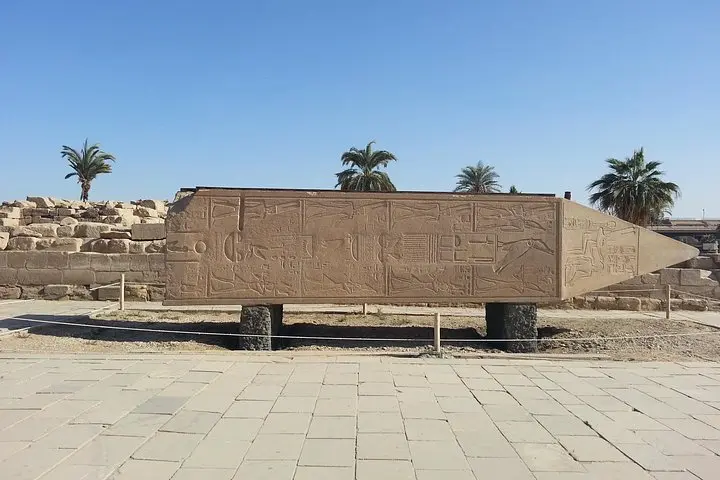
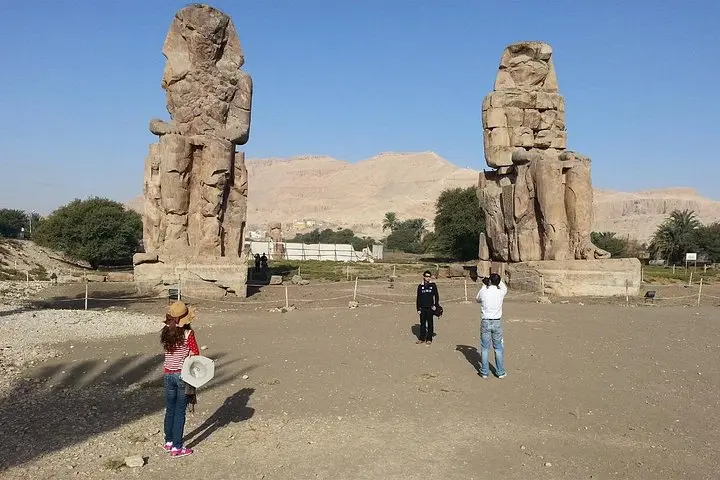
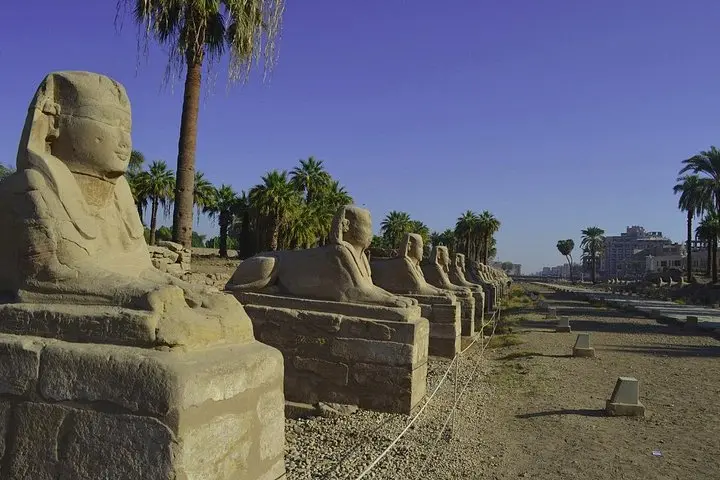
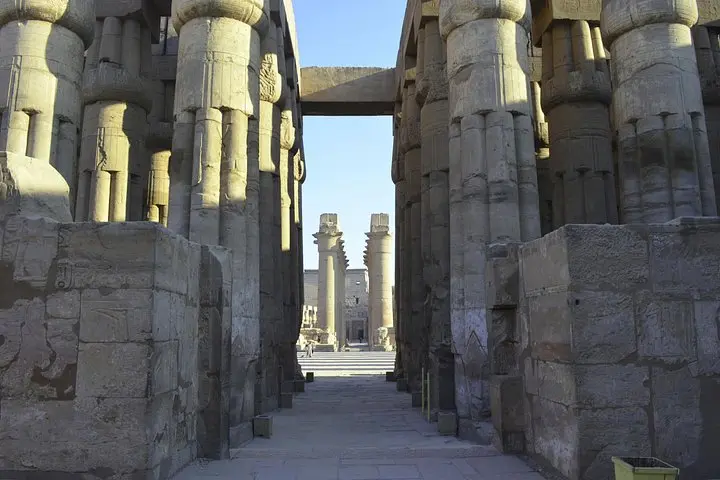
Night on Ramses Station smells of diesel and strong coffee. You step aboard a sleeper and the city recedes as the train threads the Nile valley; by dawn the silhouettes of columns appear on the horizon and Luxor's temple roofs catch the sun.
Night on Ramses Station smells of diesel and strong coffee. You step aboard a sleeper and the city recedes as the train threads the Nile valley; by dawn the silhouettes of columns appear on the horizon and Luxor's temple roofs catch the sun.
Luxor, once the ancient city of Thebes, concentrates New Kingdom power in stone: Karnak's hypostyle halls, the processional avenue, Luxor Temple's upper terraces, and the carved tombs of the Valley of the Kings. Geologically, the east bank sits on Nile alluvium while the west bank's limestone cliffs hold pharaonic tombs carved into the desert; that contrast shapes how monuments sit in the landscape and how light reveals reliefs at different times of day. Culturally, modern Luxor is a working riverside town—vendors, feluccas, and mosque calls mix with ongoing conservation by the Ministry of Antiquities and local Egyptologists.
On a full-day sleeper-train itinerary you'll move fast: early morning arrivals, guided walks through Karnak and Luxor Temple, several tomb visits (note: Tutankhamun's tomb often requires a separate ticket), and a lunch in a local restaurant before the return. Expect cobbled walks, staircases in tombs, and open sun on the terraces.
Practical tips: book the optional King Tut ticket in advance if desired, carry photocopies of travel documents, bring high-SPF sun protection, and hydrate—Nile plains can heat quickly. Comfortable walking shoes with good traction and modest clothing for temple visits will keep the day efficient and respectful, letting the monuments speak for themselves. Plan for early starts and patient pacing.