THE ADVENTURE COLLECTIVE® · Independent discovery and booking for outdoor travel

Track sloths through low-canopy rainforest on Costa Rica’s Caribbean Coast, then sample tropical fruits at family orchards. This easy, guided walk pairs reliable wildlife viewing with local flavors and cultural context.
Track sloths through low-canopy rainforest on Costa Rica’s Caribbean Coast, then sample tropical fruits at family orchards. This easy, guided walk pairs reliable wildlife viewing with local flavors and cultural context.
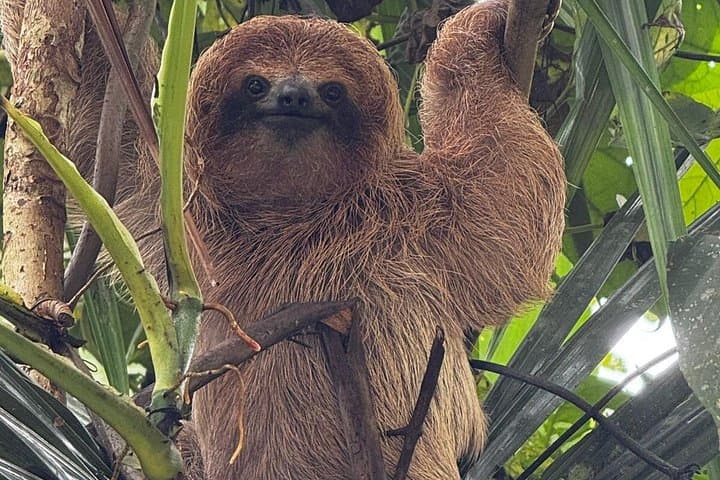
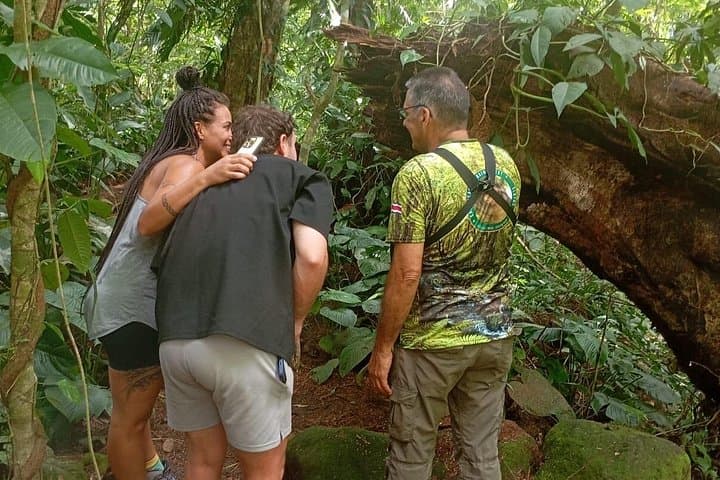
Rain filters through broadleaf canopies as a guide pauses, finger lifted toward a slow-moving silhouette high in the limbs — a sloth, deliberate and indifferent, turning the forest into a stage. On Costa Rica’s Caribbean shore the trail threads low ridges and riparian flats, where the air tastes of green fruit and humid earth and a chorus of river and bird calls keeps time.
Verified experiences and guided adventures in the surrounding area.
Operated by Caribbean Rainforest Sloths · Puerto Viejo de Talamanca, Limón
Rain filters through broadleaf canopies as a guide pauses, finger lifted toward a slow-moving silhouette high in the limbs — a sloth, deliberate and indifferent, turning the forest into a stage. On Costa Rica’s Caribbean shore the trail threads low ridges and riparian flats, where the air tastes of green fruit and humid earth and a chorus of river and bird calls keeps time.
The experience blends natural history with local culture: sloth species here — both three-toed and two-toed varieties — reflect a landscape shaped by coastal plains, river silt, and leftover banana and cacao plot mosaic. Afro-Caribbean and indigenous Bribri influences show in roadside fruit stands and family farms that still harvest cacao and plantain by hand.
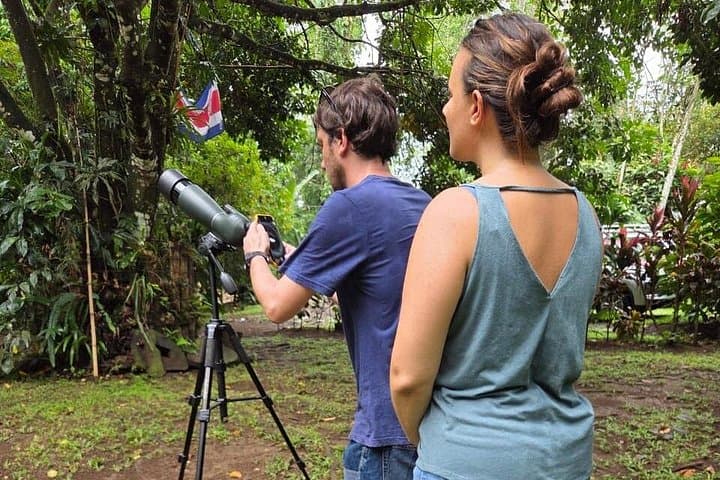
Guides scan canopy and understory with binoculars and a patient eye, explaining sloth behavior, diet and the ecological connections that let these slow movers thrive. Fruit tastings bring a practical complement: local varieties like rambutan, guava and mamoncillo reveal seasonal rhythms that also cue wildlife activity.
Practically, expect a mostly flat, easy trail with occasional muddy sections, binoculars provided but bring your own for comfort. Walks are family-friendly; photography requires slow, respectful movement. Dress for humidity and brief showers, carry water and insect repellent, and leave wildlife undisturbed — viewing, not touching, preserves both animals and your permit to return.
This is a short, low-effort dive into coastal rainforest life: sensory, quiet, and richly instructive for anyone curious about how fruit, forest and slow locomotion shape an ecosystem.
Yes — the route is family-friendly and stroller-accessible on the main trail, though guides may ask to carry infants over very uneven short sections.
No sightings are guaranteed; guides target known hanging and feeding areas to maximize chances, and sightings are common but never certain.
Selections vary by season and village offerings, but often include guava, mango, rambutan or mamoncillo, sourced from small local farms.
Keep voices low, avoid sudden movements, do not touch or feed wildlife, and follow your guide’s placement to minimize disturbance.
Caribbean Rainforest Sloths operates guided outdoor trips and adventures with an emphasis on safety, stewardship, and memorable experiences.

Rain filters through broadleaf canopies as a guide pauses, finger lifted toward a slow-moving silhouette high in the limbs — a sloth, deliberate and indifferent, turning the forest into a stage. On Costa Rica’s Caribbean shore the trail threads low ridges and riparian flats, where the air tastes of green fruit and humid earth and a chorus of river and bird calls keeps time.
Rain filters through broadleaf canopies as a guide pauses, finger lifted toward a slow-moving silhouette high in the limbs — a sloth, deliberate and indifferent, turning the forest into a stage. On Costa Rica’s Caribbean shore the trail threads low ridges and riparian flats, where the air tastes of green fruit and humid earth and a chorus of river and bird calls keeps time.
The experience blends natural history with local culture: sloth species here — both three-toed and two-toed varieties — reflect a landscape shaped by coastal plains, river silt, and leftover banana and cacao plot mosaic. Afro-Caribbean and indigenous Bribri influences show in roadside fruit stands and family farms that still harvest cacao and plantain by hand.
Guides scan canopy and understory with binoculars and a patient eye, explaining sloth behavior, diet and the ecological connections that let these slow movers thrive. Fruit tastings bring a practical complement: local varieties like rambutan, guava and mamoncillo reveal seasonal rhythms that also cue wildlife activity.
Practically, expect a mostly flat, easy trail with occasional muddy sections, binoculars provided but bring your own for comfort. Walks are family-friendly; photography requires slow, respectful movement. Dress for humidity and brief showers, carry water and insect repellent, and leave wildlife undisturbed — viewing, not touching, preserves both animals and your permit to return.
This is a short, low-effort dive into coastal rainforest life: sensory, quiet, and richly instructive for anyone curious about how fruit, forest and slow locomotion shape an ecosystem.