THE ADVENTURE COLLECTIVE® · Independent discovery and booking for outdoor travel

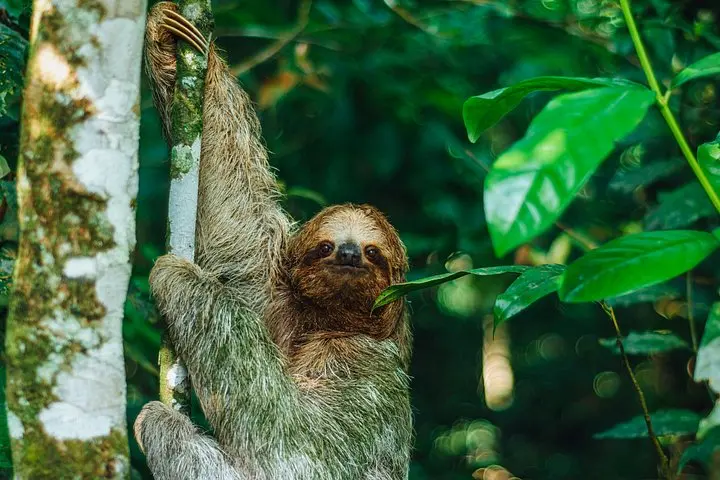
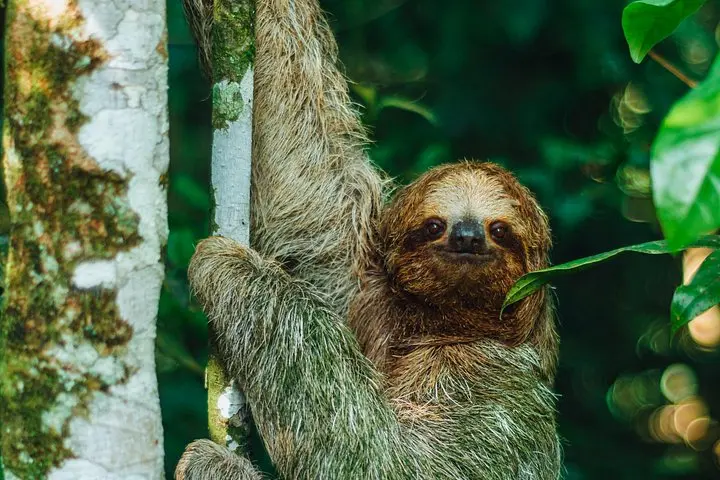
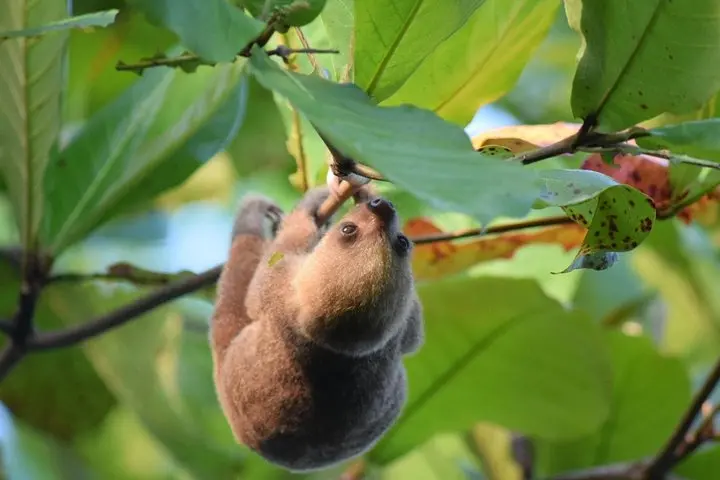
Spend two slow, intimate hours spotting two- and three-toed sloths in a private reserve near La Fortuna. Expert guides use scopes and local knowledge to deliver quiet, low-impact wildlife viewing ideal for photographers and families.
Spend two slow, intimate hours spotting two- and three-toed sloths in a private reserve near La Fortuna. Expert guides use scopes and local knowledge to deliver quiet, low-impact wildlife viewing ideal for photographers and families.
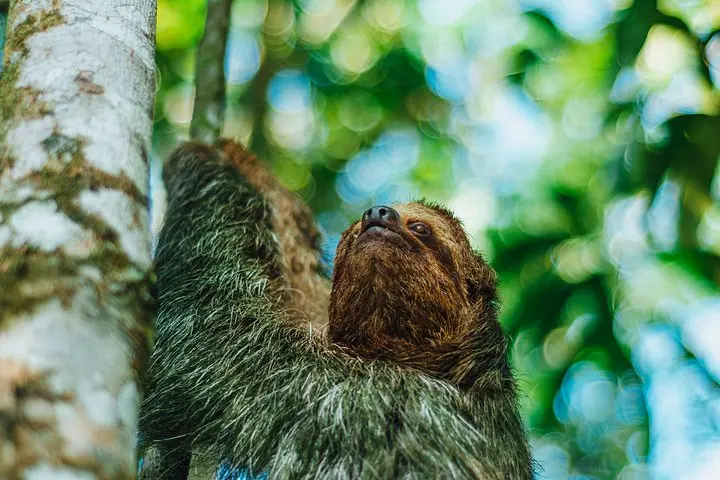
The trail opens under a humid canopy and the air smells of wet soil and bromeliads; a guide’s voice, patient and low, points upward where a slow silhouette clings like a living knot.
Verified experiences and guided adventures in the surrounding area.
Operated by Arenal Private Tours · La Fortuna, Alajuela
The trail opens under a humid canopy and the air smells of wet soil and bromeliads; a guide’s voice, patient and low, points upward where a slow silhouette clings like a living knot.
This two-hour private-park outing near La Fortuna focuses on two- and three-toed sloths observed at natural pace—no handling, no crowds. Guides use spotting scopes and local knowledge to find sloths in canopy pockets, along with other forest residents. The Arenal region sits on recent volcanic soils from Arenal Volcano’s eruptions, giving the forest rich regrowth and a layered ecology where vines and epiphytes create three-dimensional habitat for arboreal animals.
Culturally, La Fortuna evolved from a farming town into an ecotourism hub after the volcano’s changes in the 1960s–90s; private reserves like this one balance visitor access with habitat protection. Expect a short, gently graded loop on packed dirt trails under dense foliage, audio commentary about sloth behavior (including the infamous descent-to-defecate), and opportunities to photograph animals through scopes at respectful distance.
For planning: bring a lightweight rain jacket and closed-toe shoes, arrive early to catch the cooler, more active morning window, and leave flash photography and touching at the gate—sloths are sensitive and move on their timetable. The park provides scopes, water, and accessible paths suitable for most fitness levels. This is a slow-walking, observational experience designed for close wildlife viewing without disturbance—ideal for photographers and families who want an intimate, low-impact encounter with Costa Rica’s most famously deliberate mammal.
No—guides know likely spots and use scopes to search, but wildlife sightings cannot be guaranteed; the private reserve increases the chance compared with open forest.
Yes — the tour is low-impact and suitable for all ages; infant seats and family-friendly pacing are available but check pickup and booking questions before arrival.
The tour includes water; snacks aren’t necessary for the two-hour outing but small, quiet snacks are fine if needed—avoid feeding wildlife.
Some operators offer pickup; confirm your pickup point during booking. Public transport options exist nearby, and the park is a short drive from town.
Arenal Private Tours operates guided outdoor trips and adventures with an emphasis on safety, stewardship, and memorable experiences.
The trail opens under a humid canopy and the air smells of wet soil and bromeliads; a guide’s voice, patient and low, points upward where a slow silhouette clings like a living knot.
The trail opens under a humid canopy and the air smells of wet soil and bromeliads; a guide’s voice, patient and low, points upward where a slow silhouette clings like a living knot.
This two-hour private-park outing near La Fortuna focuses on two- and three-toed sloths observed at natural pace—no handling, no crowds. Guides use spotting scopes and local knowledge to find sloths in canopy pockets, along with other forest residents. The Arenal region sits on recent volcanic soils from Arenal Volcano’s eruptions, giving the forest rich regrowth and a layered ecology where vines and epiphytes create three-dimensional habitat for arboreal animals.
Culturally, La Fortuna evolved from a farming town into an ecotourism hub after the volcano’s changes in the 1960s–90s; private reserves like this one balance visitor access with habitat protection. Expect a short, gently graded loop on packed dirt trails under dense foliage, audio commentary about sloth behavior (including the infamous descent-to-defecate), and opportunities to photograph animals through scopes at respectful distance.
For planning: bring a lightweight rain jacket and closed-toe shoes, arrive early to catch the cooler, more active morning window, and leave flash photography and touching at the gate—sloths are sensitive and move on their timetable. The park provides scopes, water, and accessible paths suitable for most fitness levels. This is a slow-walking, observational experience designed for close wildlife viewing without disturbance—ideal for photographers and families who want an intimate, low-impact encounter with Costa Rica’s most famously deliberate mammal.