THE ADVENTURE COLLECTIVE® · Independent discovery and booking for outdoor travel

Spend a relaxed morning in a protected reforested tract near La Fortuna spotting two‑ and three‑toed sloths on an easy 800‑meter trail. Expert guides lead the walk, explain sloth ecology, and finish with a homemade Costa Rican snack.
Spend a relaxed morning in a protected reforested tract near La Fortuna spotting two‑ and three‑toed sloths on an easy 800‑meter trail. Expert guides lead the walk, explain sloth ecology, and finish with a homemade Costa Rican snack.
Dawn breaks over the rim of Arenal’s volcanic slopes as you step off the air-conditioned shuttle into humid, birdsong-filled forest. The path is short—an 800‑meter loop—but the canopy is deep and patient: limbs, bromeliads and vines where sloths move deliberately, almost theatrical in their slowness. Guides scan the branches with steady eyes; when a sloth is found, the forest seems to pause with you.
Verified experiences and guided adventures in the surrounding area.
Operated by Canoa Aventura · La Fortuna, Alajuela
Dawn breaks over the rim of Arenal’s volcanic slopes as you step off the air-conditioned shuttle into humid, birdsong-filled forest. The path is short—an 800‑meter loop—but the canopy is deep and patient: limbs, bromeliads and vines where sloths move deliberately, almost theatrical in their slowness. Guides scan the branches with steady eyes; when a sloth is found, the forest seems to pause with you.
The trail cuts through a protected, reforested parcel born from local conservation efforts after ranching and logging reduced native cover across the Arenal foothills. Volcanic soils here feed fast-growing secondary forest; leaves and epiphytes provide the sloths’ pantry. Cultural touches arrive at the end of the walk—a traditional snack of homemade tortilla with picadillo and juice—offering a taste of rural Costa Rican hospitality.
Expect interpretive stops: naturalists explain sloth physiology, feeding ecology, and how reforestation supports broader wildlife corridors linking to Arenal’s larger reserves. The experience emphasizes low-impact observation—no handling, limited group size, and quiet viewing.
Practicalities: the walking portion is short but uneven; a steady gait and closed-toe shoes are recommended. Bring water, a lightweight rain layer (sudden showers are common), and a telephoto or zoom lens for photos—avoid flash. The total excursion runs about 3–4 hours including transport and the snack; morning slots are best for wildlife activity and lower insect pressure. This is an accessible, family-friendly option for close, respectful encounters with two- and three-toed sloths in their natural setting.
The guided walk covers about 800 meters and typically lasts 60–90 minutes; the full tour including transport and snack is about 3–4 hours.
Guides work in a protected, reforested area with high chances of sightings, but wildlife cannot be guaranteed; the tour prioritizes ethical, non-invasive viewing.
Yes—trail notes indicate stroller accessibility for infants and small children, though terrain can be uneven in spots.
Photography is allowed but flash and any attempt to touch or disturb animals are prohibited to avoid stressing wildlife.
Canoa Aventura operates guided outdoor trips and adventures with an emphasis on safety, stewardship, and memorable experiences.
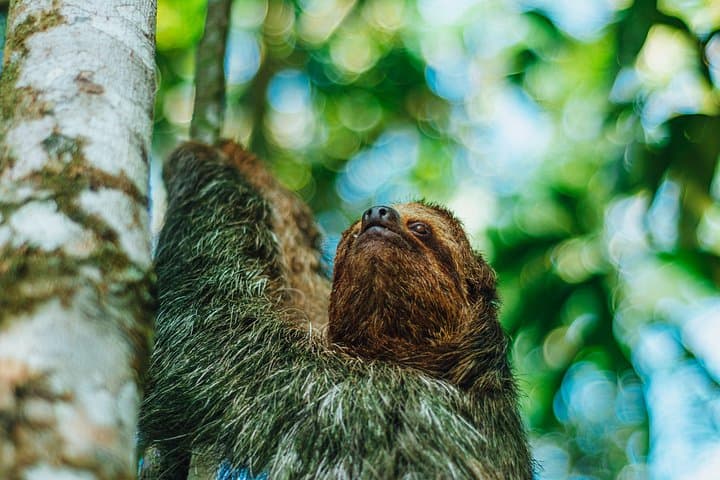
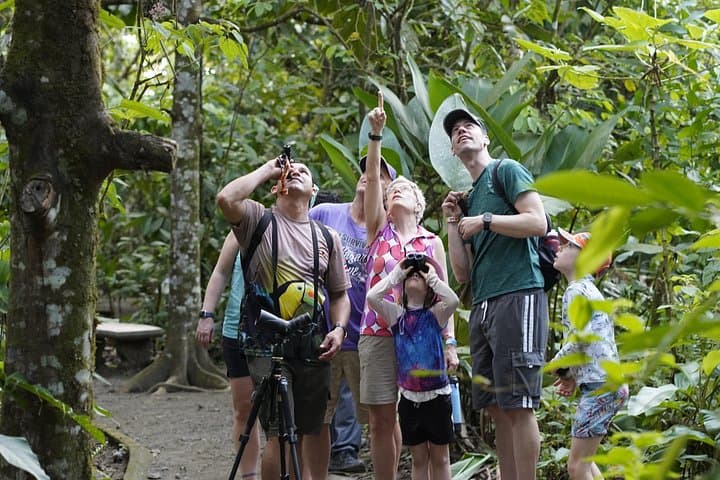

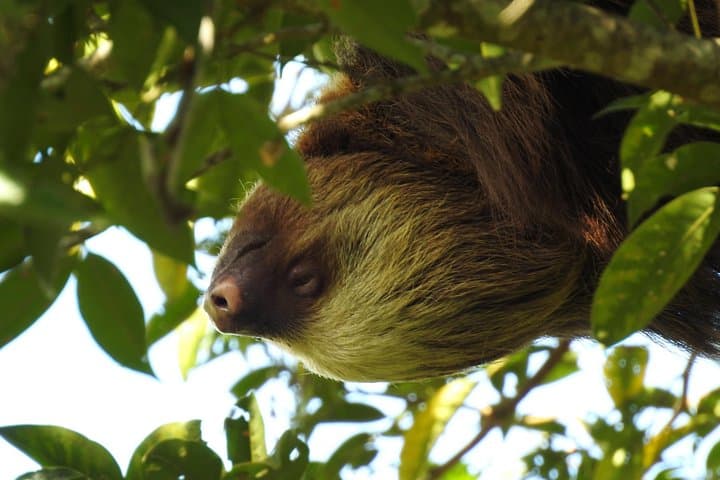
Dawn breaks over the rim of Arenal’s volcanic slopes as you step off the air-conditioned shuttle into humid, birdsong-filled forest. The path is short—an 800‑meter loop—but the canopy is deep and patient: limbs, bromeliads and vines where sloths move deliberately, almost theatrical in their slowness. Guides scan the branches with steady eyes; when a sloth is found, the forest seems to pause with you.
Dawn breaks over the rim of Arenal’s volcanic slopes as you step off the air-conditioned shuttle into humid, birdsong-filled forest. The path is short—an 800‑meter loop—but the canopy is deep and patient: limbs, bromeliads and vines where sloths move deliberately, almost theatrical in their slowness. Guides scan the branches with steady eyes; when a sloth is found, the forest seems to pause with you.
The trail cuts through a protected, reforested parcel born from local conservation efforts after ranching and logging reduced native cover across the Arenal foothills. Volcanic soils here feed fast-growing secondary forest; leaves and epiphytes provide the sloths’ pantry. Cultural touches arrive at the end of the walk—a traditional snack of homemade tortilla with picadillo and juice—offering a taste of rural Costa Rican hospitality.
Expect interpretive stops: naturalists explain sloth physiology, feeding ecology, and how reforestation supports broader wildlife corridors linking to Arenal’s larger reserves. The experience emphasizes low-impact observation—no handling, limited group size, and quiet viewing.
Practicalities: the walking portion is short but uneven; a steady gait and closed-toe shoes are recommended. Bring water, a lightweight rain layer (sudden showers are common), and a telephoto or zoom lens for photos—avoid flash. The total excursion runs about 3–4 hours including transport and the snack; morning slots are best for wildlife activity and lower insect pressure. This is an accessible, family-friendly option for close, respectful encounters with two- and three-toed sloths in their natural setting.