THE ADVENTURE COLLECTIVE® · Independent discovery and booking for outdoor travel

Move at the sloth’s pace on a gentle 2-mile nature walk near La Fortuna. Guides typically locate four to six sloths while also pointing out birds, frogs, and rainforest plants.
Move at the sloth’s pace on a gentle 2-mile nature walk near La Fortuna. Guides typically locate four to six sloths while also pointing out birds, frogs, and rainforest plants.
A low, humid canopy presses close as the guide leads the group down a shaded, ribboned trail. Sunlight slips through bromeliads and sculpted ficus; a slow movement high in the trees halts the group — a brown-throated sloth tucked like a sleeping knot. The walk moves at the animal’s pace: quiet, observational, deliberate.
Verified experiences and guided adventures in the surrounding area.
Operated by Sloth Watching Trail · La Fortuna, Alajuela
A low, humid canopy presses close as the guide leads the group down a shaded, ribboned trail. Sunlight slips through bromeliads and sculpted ficus; a slow movement high in the trees halts the group — a brown-throated sloth tucked like a sleeping knot. The walk moves at the animal’s pace: quiet, observational, deliberate.
Set on a 30-acre nature property outside La Fortuna, this 2-mile loop follows gentle, largely flat trails across secondary rainforest and open clearings. The area sits in the volcanic shadow of Arenal, where young, nutrient-rich soils support dense life: toucans, tree frogs, and orchids share the same strata that make sloth habitat reliable. Local guides draw on natural-history knowledge and conservation practices born from Costa Rica’s long-standing focus on ecotourism and community stewardship.
Expect close natural encounters rather than adrenaline: guides use spotters and patient searching to find an average of four to six sloths per outing, plus an array of birds and amphibians. The walk is kid-friendly and accessible to most fitness levels, but trails can muddy after tropical showers.
Practical guidance: go early in the morning for cooler air and active birds, wear closed-toe shoes and insect repellent, carry water and a zoom lens for photographs. Bring a lightweight rain jacket during the wet season and keep movements slow to avoid disturbing wildlife. Respect the guide’s instructions — short, quiet observation windows minimize stress for sloths and improve viewing for everyone. This is a short, high-reward rainforest experience built around patient wildlife watching and low-impact interpretation.
Guides typically locate four to six sloths per outing on this property, but sightings cannot be guaranteed since animals move freely.
The trail is flat and family-friendly, but some sections can be narrow or muddy; sturdy shoes are recommended and strollers may be challenging in wetter conditions.
Binoculars and a camera with a modest zoom will enhance viewing; guides often point out animals at close range but a zoom helps capture details without approaching wildlife.
While the walk is gentle, the surface is natural trail with occasional roots and mud — full wheelchair accessibility is not guaranteed; contact the operator to discuss specific needs.
Sloth Watching Trail operates guided outdoor trips and adventures with an emphasis on safety, stewardship, and memorable experiences.

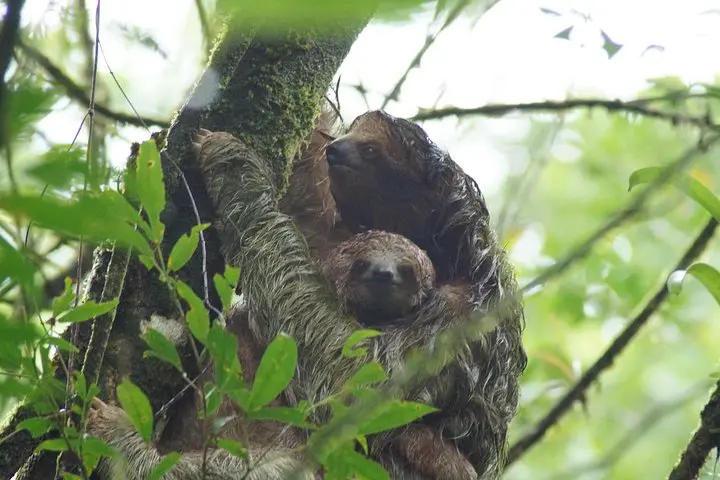
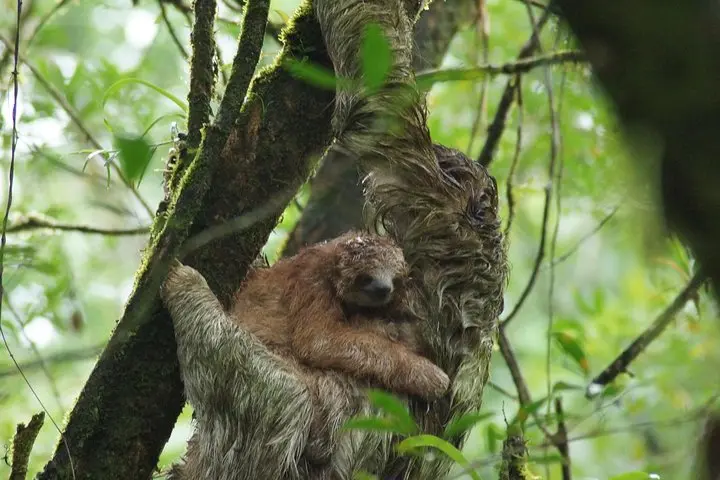
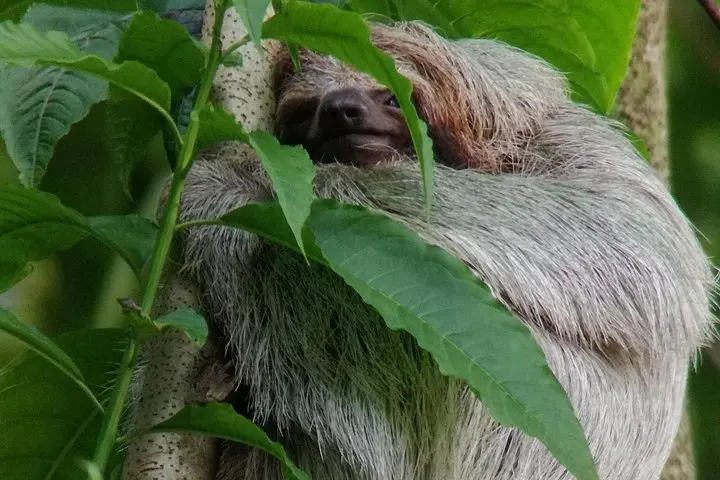
A low, humid canopy presses close as the guide leads the group down a shaded, ribboned trail. Sunlight slips through bromeliads and sculpted ficus; a slow movement high in the trees halts the group — a brown-throated sloth tucked like a sleeping knot. The walk moves at the animal’s pace: quiet, observational, deliberate.
A low, humid canopy presses close as the guide leads the group down a shaded, ribboned trail. Sunlight slips through bromeliads and sculpted ficus; a slow movement high in the trees halts the group — a brown-throated sloth tucked like a sleeping knot. The walk moves at the animal’s pace: quiet, observational, deliberate.
Set on a 30-acre nature property outside La Fortuna, this 2-mile loop follows gentle, largely flat trails across secondary rainforest and open clearings. The area sits in the volcanic shadow of Arenal, where young, nutrient-rich soils support dense life: toucans, tree frogs, and orchids share the same strata that make sloth habitat reliable. Local guides draw on natural-history knowledge and conservation practices born from Costa Rica’s long-standing focus on ecotourism and community stewardship.
Expect close natural encounters rather than adrenaline: guides use spotters and patient searching to find an average of four to six sloths per outing, plus an array of birds and amphibians. The walk is kid-friendly and accessible to most fitness levels, but trails can muddy after tropical showers.
Practical guidance: go early in the morning for cooler air and active birds, wear closed-toe shoes and insect repellent, carry water and a zoom lens for photographs. Bring a lightweight rain jacket during the wet season and keep movements slow to avoid disturbing wildlife. Respect the guide’s instructions — short, quiet observation windows minimize stress for sloths and improve viewing for everyone. This is a short, high-reward rainforest experience built around patient wildlife watching and low-impact interpretation.