THE ADVENTURE COLLECTIVE® · Independent discovery and booking for outdoor travel

Float between colossal temples and river islands on a private 5-day Nile cruise from Luxor to Aswan. Visit Karnak, the Valley of the Kings, Kom Ombo and Abu Simbel while an Egyptologist brings the reliefs and rituals of ancient Egypt to life.
Float between colossal temples and river islands on a private 5-day Nile cruise from Luxor to Aswan. Visit Karnak, the Valley of the Kings, Kom Ombo and Abu Simbel while an Egyptologist brings the reliefs and rituals of ancient Egypt to life.
Morning light breaks on the Nile as the dahabiya slides away from Luxor's quay, palm fronds waving and the river daring you to follow. Onboard, teak decks warm beneath your boots; the ship is both basecamp and slow-moving lens through pharaonic country.
Verified experiences and guided adventures in the surrounding area.
Operated by Egypt Lifetime Tours · Luxor, Luxor Governorate
Morning light breaks on the Nile as the dahabiya slides away from Luxor's quay, palm fronds waving and the river daring you to follow. Onboard, teak decks warm beneath your boots; the ship is both basecamp and slow-moving lens through pharaonic country.
The cruise stitches together Egypt's most consequential monuments—Karnak's hypostyle forest, the cliff-cut tombs of the Valley of the Kings, Edfu's temple of Horus, Kom Ombo's double shrines, and the colossal rock-cut facade at Abu Simbel relocated in the 1960s to escape the rising waters behind the Aswan High Dam. Geology here is visible: desert sandstone and Nubian granite framing the Nile's green corridor, fields and small islands where river currents have pushed and pulled sediment for millennia.
Culturally, the river is a living highway; fishermen, feluccas and small riverside villages reveal Nubian and modern Egyptian rhythms. Guides are Egyptologists who turn stone reliefs into readable stories of gods, kings and floods.
Practical guidance: start early for site visits to avoid heat and crowds; carry sunscreen, a wide-brim hat and a reusable water bottle—tap water aboard is treated but bottled water is provided. Expect easy walking on mostly flat temple complexes with occasional uneven stone; comfortable closed-toe shoes are best. Bring local currency for small purchases and tomb photo fees where applicable. Abu Simbel is a long early-morning daytrip from Aswan; motion-sensitive stomachs should pack remedies. Finally, allow for schedule shifts—Nile cruising can change order of stops with locks and conditions, but the core monuments are reliably included.
Most travelers require a visa to enter Egypt—check your nationality-specific requirements and obtain a visa before travel or on arrival where available.
Abu Simbel is part of the itinerary but is a long shared-bus morning trip from Aswan; schedules can be adjusted for weather or operational reasons.
Entrance fees are not always included—expect to pay some site fees and small extras locally, and carry a card and cash as some sites prefer cash for specific services.
The cruise is suitable for many fitness levels, but several temples and tombs have uneven surfaces and stairs; check accessibility options ahead of booking.
Egypt Lifetime Tours operates guided outdoor trips and adventures with an emphasis on safety, stewardship, and memorable experiences.
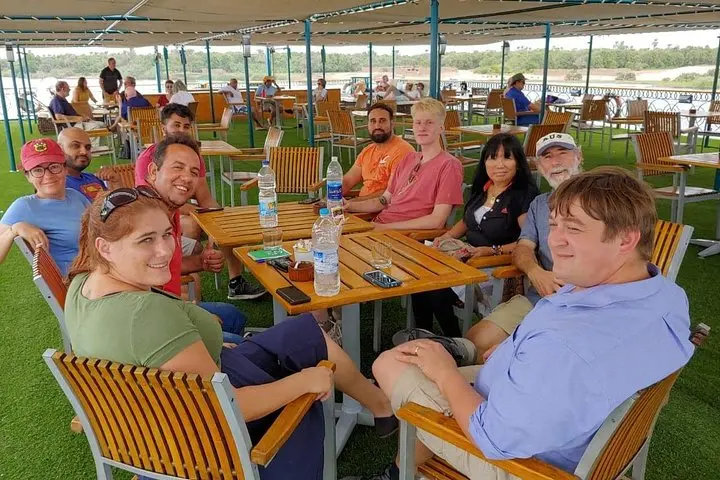
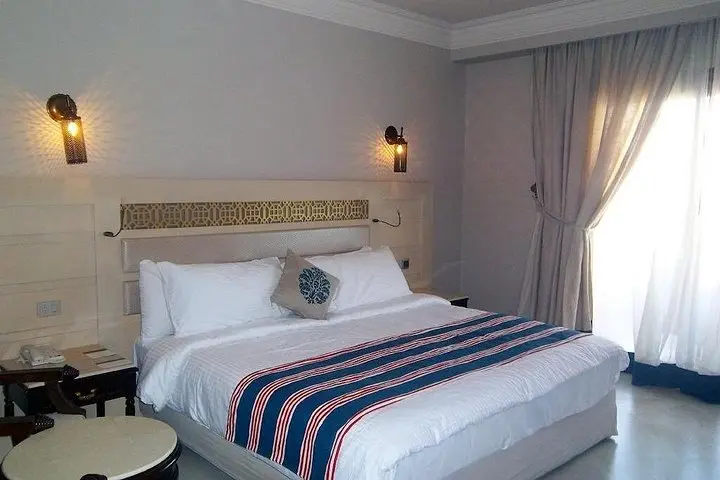
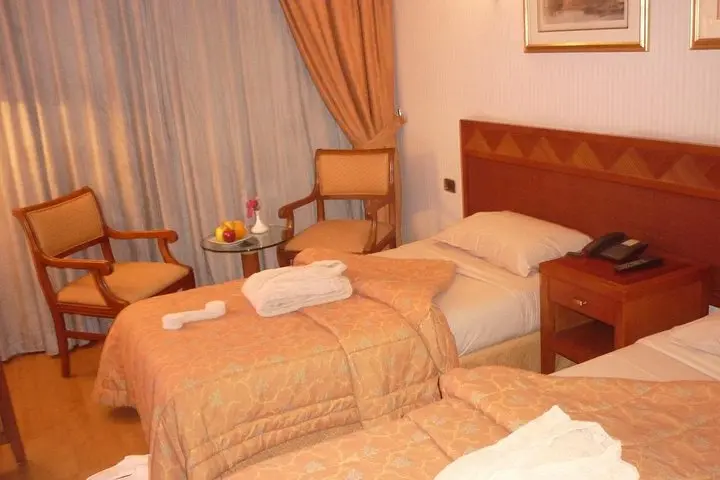
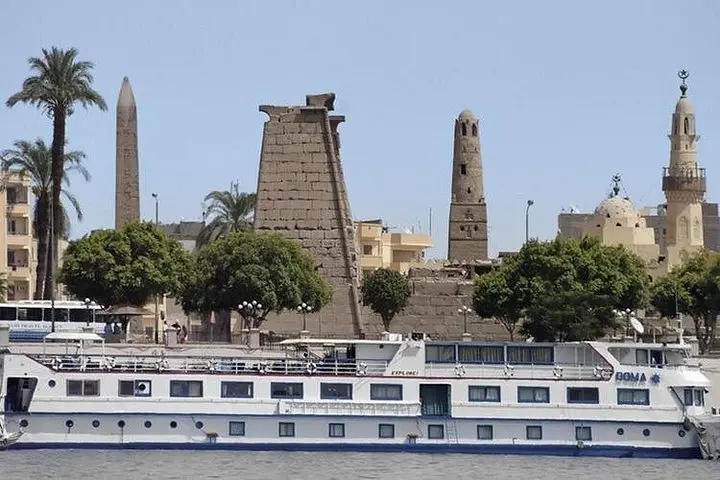
Morning light breaks on the Nile as the dahabiya slides away from Luxor's quay, palm fronds waving and the river daring you to follow. Onboard, teak decks warm beneath your boots; the ship is both basecamp and slow-moving lens through pharaonic country.
Morning light breaks on the Nile as the dahabiya slides away from Luxor's quay, palm fronds waving and the river daring you to follow. Onboard, teak decks warm beneath your boots; the ship is both basecamp and slow-moving lens through pharaonic country.
The cruise stitches together Egypt's most consequential monuments—Karnak's hypostyle forest, the cliff-cut tombs of the Valley of the Kings, Edfu's temple of Horus, Kom Ombo's double shrines, and the colossal rock-cut facade at Abu Simbel relocated in the 1960s to escape the rising waters behind the Aswan High Dam. Geology here is visible: desert sandstone and Nubian granite framing the Nile's green corridor, fields and small islands where river currents have pushed and pulled sediment for millennia.
Culturally, the river is a living highway; fishermen, feluccas and small riverside villages reveal Nubian and modern Egyptian rhythms. Guides are Egyptologists who turn stone reliefs into readable stories of gods, kings and floods.
Practical guidance: start early for site visits to avoid heat and crowds; carry sunscreen, a wide-brim hat and a reusable water bottle—tap water aboard is treated but bottled water is provided. Expect easy walking on mostly flat temple complexes with occasional uneven stone; comfortable closed-toe shoes are best. Bring local currency for small purchases and tomb photo fees where applicable. Abu Simbel is a long early-morning daytrip from Aswan; motion-sensitive stomachs should pack remedies. Finally, allow for schedule shifts—Nile cruising can change order of stops with locks and conditions, but the core monuments are reliably included.