THE ADVENTURE COLLECTIVE® · Independent discovery and booking for outdoor travel

A seven-night dahabiya cruise from Luxor to Aswan moves at the Nile’s pace, combining relaxed sailing with guided visits to Karnak, Kom Ombo, Philae and optional Abu Simbel. This trip is ideal for travelers who want immersive archaeology and riverside scenery without the rush.
A seven-night dahabiya cruise from Luxor to Aswan moves at the Nile’s pace, combining relaxed sailing with guided visits to Karnak, Kom Ombo, Philae and optional Abu Simbel. This trip is ideal for travelers who want immersive archaeology and riverside scenery without the rush.
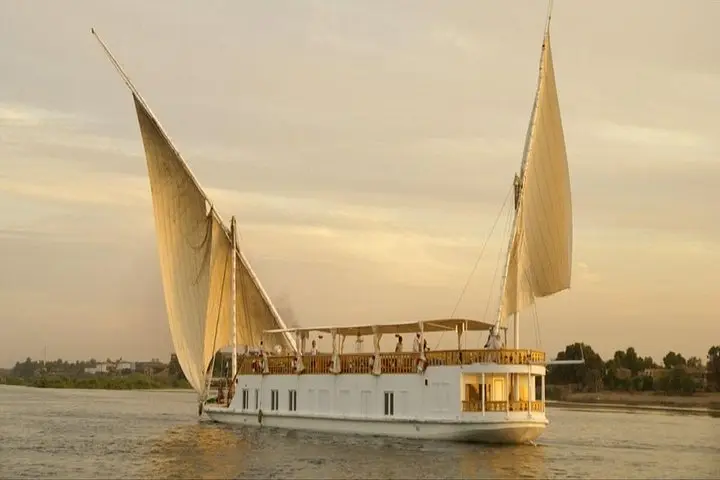
Dawn finds the dahabiya easing away from Luxor's quay, canvas lifting like a slow breath as the Nile opens ahead. The river pushes the boat forward with an unhurried confidence; date palms and low mudbrick villages slide past, and temple pylons punctuate the horizon like chapters in an ancient book.
Verified experiences and guided adventures in the surrounding area.
Operated by Egypt Best Day Tours · Luxor, Luxor Governorate
Dawn finds the dahabiya easing away from Luxor's quay, canvas lifting like a slow breath as the Nile opens ahead. The river pushes the boat forward with an unhurried confidence; date palms and low mudbrick villages slide past, and temple pylons punctuate the horizon like chapters in an ancient book.
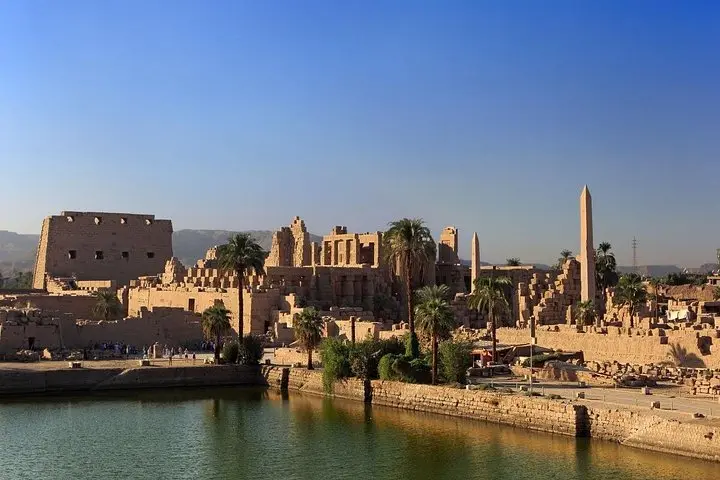
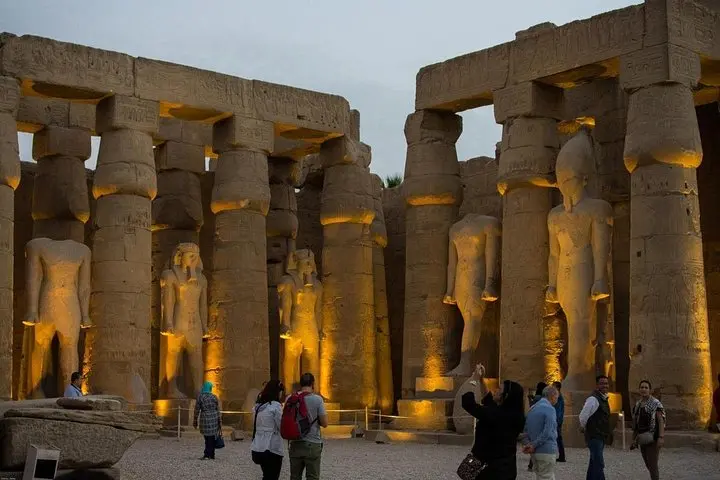
This route traces Egypt’s long human story: pharaonic temples—Karnak, Luxor, Kom Ombo, Philae—and the modern scale of the Aswan High Dam. Geology here is revealed in the banded sandstone and silt that the Nile has deposited for millennia; culture appears in Nubian villages, mosque minarets, and the architecture of temples dedicated to Amun, Horus and Isis. The dahabiya itself is part of that history—shallow-draft sailboats popular with 19th-century travelers for quiet, close-to-shore passage.
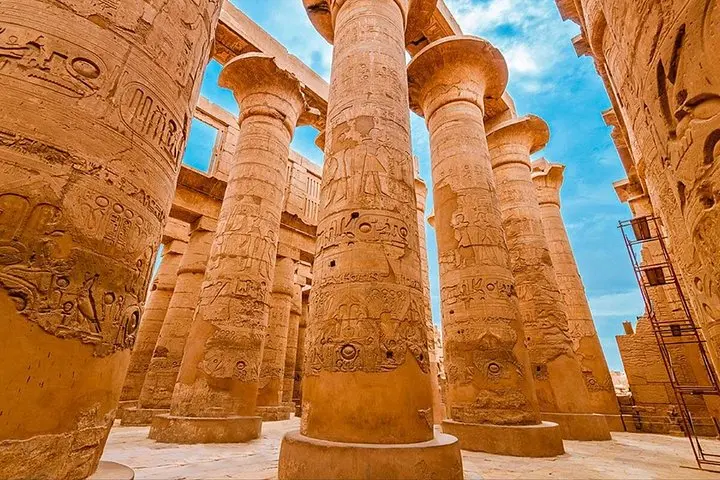
Expect calm travel days punctuated by guided land excursions. Walk under the Hypostyle Hall’s row of columns at Karnak, stand beneath Abu Simbel’s colossi if you opt in, and watch the river change color in late afternoon light. Practicalities matter: the sun is fierce, steps and uneven surfaces are common at sites, and boarding small tenders requires steady footing.
Plan to hydrate, schedule temples in the cooler morning hours, and keep a lightweight daypack for sandals, sun protection and camera gear. With modest mobility and an appetite for history, this seven-night sweep of the Nile offers a measured blend of relaxation and discovery—one where the river sets the pace and the past keeps pace with every shore visit.
The dahabiya and many sites involve boarding small boats and walking on uneven ground; travelers with limited mobility should consult the operator ahead of booking for accessibility options.
Guided excursions are included with a private Egyptologist on this itinerary, but some specific site entrance fees or optional Abu Simbel excursions may be extra—confirm with the provider before travel.
Peak season is October–April when temperatures are cooler; summer is hot but possible with early starts and hydration strategies.
Most nationalities require a tourist visa for Egypt—check current consular requirements and ensure your passport has adequate validity before travel.
Egypt Best Day Tours operates guided outdoor trips and adventures with an emphasis on safety, stewardship, and memorable experiences.
Dawn finds the dahabiya easing away from Luxor's quay, canvas lifting like a slow breath as the Nile opens ahead. The river pushes the boat forward with an unhurried confidence; date palms and low mudbrick villages slide past, and temple pylons punctuate the horizon like chapters in an ancient book.
Dawn finds the dahabiya easing away from Luxor's quay, canvas lifting like a slow breath as the Nile opens ahead. The river pushes the boat forward with an unhurried confidence; date palms and low mudbrick villages slide past, and temple pylons punctuate the horizon like chapters in an ancient book.
This route traces Egypt’s long human story: pharaonic temples—Karnak, Luxor, Kom Ombo, Philae—and the modern scale of the Aswan High Dam. Geology here is revealed in the banded sandstone and silt that the Nile has deposited for millennia; culture appears in Nubian villages, mosque minarets, and the architecture of temples dedicated to Amun, Horus and Isis. The dahabiya itself is part of that history—shallow-draft sailboats popular with 19th-century travelers for quiet, close-to-shore passage.
Expect calm travel days punctuated by guided land excursions. Walk under the Hypostyle Hall’s row of columns at Karnak, stand beneath Abu Simbel’s colossi if you opt in, and watch the river change color in late afternoon light. Practicalities matter: the sun is fierce, steps and uneven surfaces are common at sites, and boarding small tenders requires steady footing.
Plan to hydrate, schedule temples in the cooler morning hours, and keep a lightweight daypack for sandals, sun protection and camera gear. With modest mobility and an appetite for history, this seven-night sweep of the Nile offers a measured blend of relaxation and discovery—one where the river sets the pace and the past keeps pace with every shore visit.