THE ADVENTURE COLLECTIVE® · Independent discovery and booking for outdoor travel

A compact, guide‑led walk through Oxford’s historic core, starting at Christ Church Memorial Gardens and moving past the Radcliffe Camera, the Bodleian and the Bridge of Sighs. Small groups and Blue Badge guides mean more time for questions and local color.
A compact, guide‑led walk through Oxford’s historic core, starting at Christ Church Memorial Gardens and moving past the Radcliffe Camera, the Bodleian and the Bridge of Sighs. Small groups and Blue Badge guides mean more time for questions and local color.
You meet under the plane trees of Christ Church Memorial Gardens and the city shifts into focus: students cross the cobbles, the Thames hums nearby, and the towers of colleges puncture a pale English sky.
Verified experiences and guided adventures in the surrounding area.
Operated by Walking Tours of Oxford · Oxford, Oxfordshire
You meet under the plane trees of Christ Church Memorial Gardens and the city shifts into focus: students cross the cobbles, the Thames hums nearby, and the towers of colleges puncture a pale English sky.
This compact, 105‑minute walking tour threads a clear path through Oxford’s central precincts. Guides are Blue Badge–qualified and member-led, explaining how medieval halls grew into one of the world’s oldest universities, why the Radcliffe Camera sits like a watchful lens over Radcliffe Square, and how the Sheldonian and Bodleian shaped scholarly life. The stones here tell centuries of curriculum, ceremony and civic dispute; the river boundaries — the Thames and Cherwell — helped define college lands and leisure meadows.
Expect a mix of architectural geology and culture: limestone ashlar, oolite facades, and narrow lanes that once funneled scholars between lectures and taverns. The guide will point out All Souls’ unusual statutes, the Bridge of Sighs’ photogenic span, and spots with literary or film ties for casual fans.
Practically, wear sturdy shoes for cobbles and occasional steps, and bring a compact rain layer — English weather is quick to change. The tour keeps groups deliberately small for conversation and questions; hearing the university’s quirks is part lecture, part walking story. Public transport options and central meeting points make arrival straightforward, but the operator requires a minimum party to run the trip and recommends moderate fitness: there’s constant standing and short uphill stretches. The route finishes in a central spot with tips for lunch or independent visits to colleges you’ve just seen from outside.
The meet point is Christ Church Memorial Gardens; the tour finishes in a central Oxford location with recommendations for lunch and further visits.
No — this highlights tour views the colleges from outside; guides will advise which colleges are open for independent entry afterward and how to book admission.
The operator requires at least four guests for the tour to run and offers a full refund if cancelled 24 hours before the scheduled departure.
Children who can walk for the duration are welcome; the route includes uneven surfaces and steps so it’s not recommended for travelers with serious spinal injuries or limited mobility.
Walking Tours of Oxford operates guided outdoor trips and adventures with an emphasis on safety, stewardship, and memorable experiences.


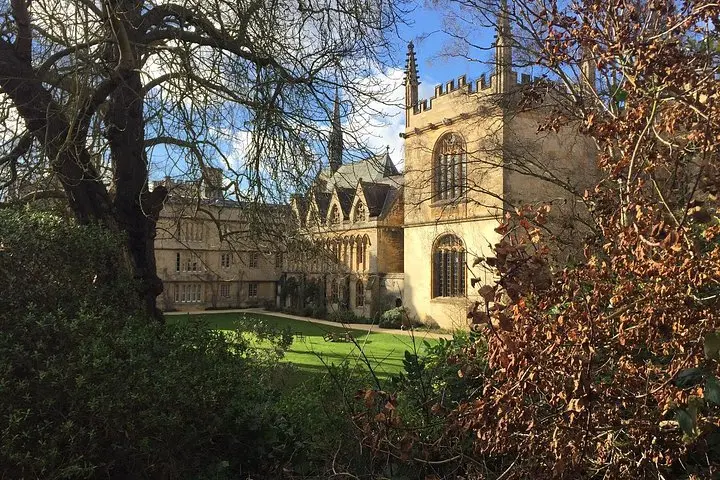
You meet under the plane trees of Christ Church Memorial Gardens and the city shifts into focus: students cross the cobbles, the Thames hums nearby, and the towers of colleges puncture a pale English sky.
You meet under the plane trees of Christ Church Memorial Gardens and the city shifts into focus: students cross the cobbles, the Thames hums nearby, and the towers of colleges puncture a pale English sky.
This compact, 105‑minute walking tour threads a clear path through Oxford’s central precincts. Guides are Blue Badge–qualified and member-led, explaining how medieval halls grew into one of the world’s oldest universities, why the Radcliffe Camera sits like a watchful lens over Radcliffe Square, and how the Sheldonian and Bodleian shaped scholarly life. The stones here tell centuries of curriculum, ceremony and civic dispute; the river boundaries — the Thames and Cherwell — helped define college lands and leisure meadows.
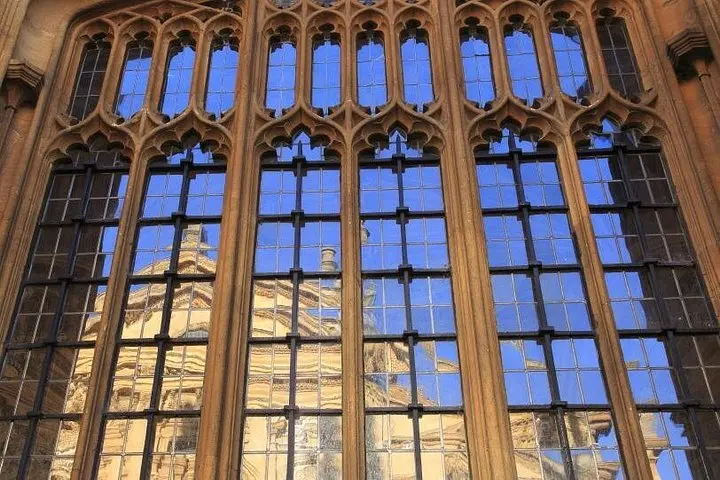
Expect a mix of architectural geology and culture: limestone ashlar, oolite facades, and narrow lanes that once funneled scholars between lectures and taverns. The guide will point out All Souls’ unusual statutes, the Bridge of Sighs’ photogenic span, and spots with literary or film ties for casual fans.
Practically, wear sturdy shoes for cobbles and occasional steps, and bring a compact rain layer — English weather is quick to change. The tour keeps groups deliberately small for conversation and questions; hearing the university’s quirks is part lecture, part walking story. Public transport options and central meeting points make arrival straightforward, but the operator requires a minimum party to run the trip and recommends moderate fitness: there’s constant standing and short uphill stretches. The route finishes in a central spot with tips for lunch or independent visits to colleges you’ve just seen from outside.