THE ADVENTURE COLLECTIVE® · Independent discovery and booking for outdoor travel

Glide through Pialassa Baiona on a shallow-draft boat to watch flamingos, avocets and herons in close quarters. This small-group, two-hour tour blends wildlife observation with local history and hands-on lagoon insights.
Glide through Pialassa Baiona on a shallow-draft boat to watch flamingos, avocets and herons in close quarters. This small-group, two-hour tour blends wildlife observation with local history and hands-on lagoon insights.
The boat slips softly from a reed-fringed bank and the lagoon exhales salt and mud; low islands of rushes slide past as a distant flock of flamingos punctures the horizon in slow, blushing rhythm.
Verified experiences and guided adventures in the surrounding area.
Operated by Birdwatching Marina Romea · Ravenna, Emilia-Romagna
The boat slips softly from a reed-fringed bank and the lagoon exhales salt and mud; low islands of rushes slide past as a distant flock of flamingos punctures the horizon in slow, blushing rhythm.
Pialassa Baiona is a brackish coastal lagoon on the Ravenna coast where tidal washes, river deposits and centuries of human use meet. Romans altered drainage here; later, local fishers and salt workers shaped the banks and huts you’ll pass. The geology is recent—Holocene sedimentation and shifting channels create mudflats that feed waders and terns. Cultural threads—Garibaldi stories and wartime Resistance—linger in local place names and the simple fishing huts dotting the shore.
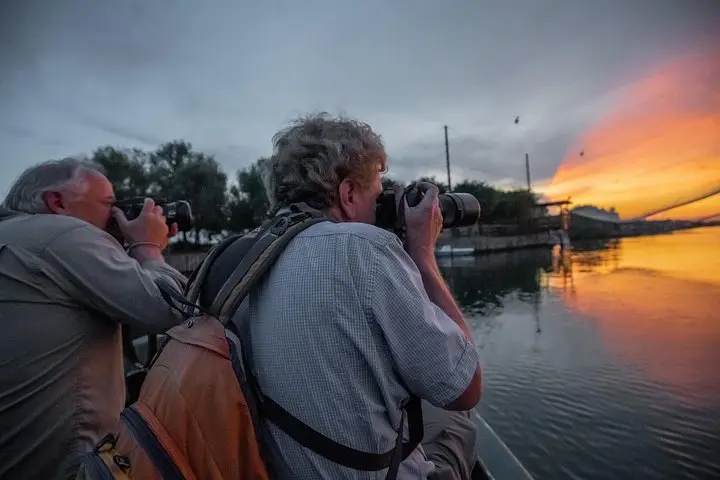
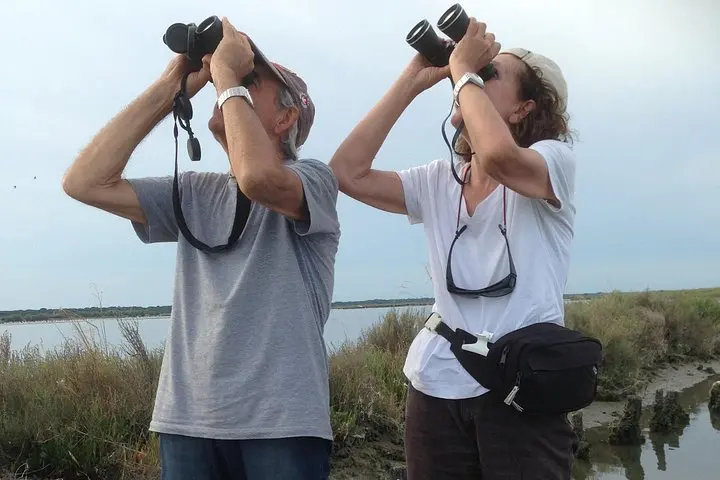
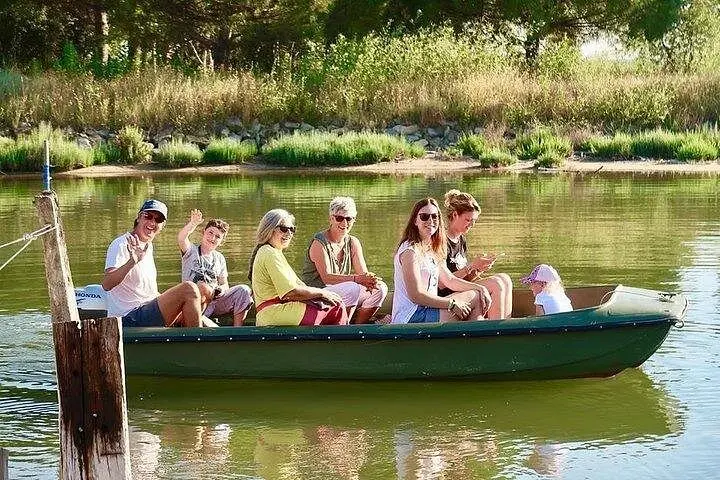
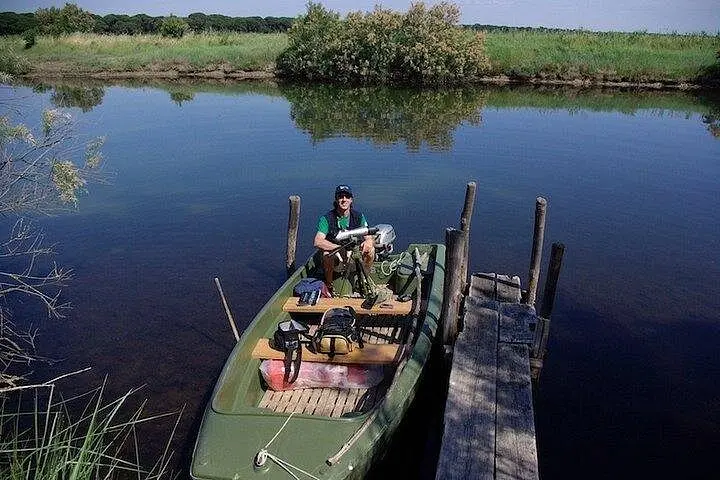
On a two-hour small-group outing you’ll ride a shallow-draft lagoon boat with a naturalist guide, pausing at hides and shallow spits. Guides provide binoculars and spotting scopes so you watch flamingos, avocets, black-winged stilts and herons at close range without disturbing them. The guide will point out edible marsh herbs and the molluscs that sustained shore communities.
Practical edge: mornings are cooler and bird activity peaks near dawn; summers can be hot and mid-day light flattens plumage color. Wear sturdy shoes (the boat ramp and banks can be slippery), bring sun protection and a refillable water bottle. Respect buffer distances at stops, keep conversation low and follow the guide’s direction—these wetlands are fragile and the wildlife here is both visible and vulnerable.
The guide maneuvers to good viewing distances while minimizing disturbance; with scopes you can see plumage details without approaching nesting areas.
Yes—this activity is rated easy and suitable for most ages, but those with severe mobility or heart/back problems should consult the operator first.
Yes—the tour provides binoculars and spotting scopes, and participants may bring their own optics.
Tours may be canceled for rough weather; the operator offers refunds if canceled at least 24 hours in advance or for unsafe conditions.
Birdwatching Marina Romea operates guided outdoor trips and adventures with an emphasis on safety, stewardship, and memorable experiences.
The boat slips softly from a reed-fringed bank and the lagoon exhales salt and mud; low islands of rushes slide past as a distant flock of flamingos punctures the horizon in slow, blushing rhythm.
The boat slips softly from a reed-fringed bank and the lagoon exhales salt and mud; low islands of rushes slide past as a distant flock of flamingos punctures the horizon in slow, blushing rhythm.
Pialassa Baiona is a brackish coastal lagoon on the Ravenna coast where tidal washes, river deposits and centuries of human use meet. Romans altered drainage here; later, local fishers and salt workers shaped the banks and huts you’ll pass. The geology is recent—Holocene sedimentation and shifting channels create mudflats that feed waders and terns. Cultural threads—Garibaldi stories and wartime Resistance—linger in local place names and the simple fishing huts dotting the shore.
On a two-hour small-group outing you’ll ride a shallow-draft lagoon boat with a naturalist guide, pausing at hides and shallow spits. Guides provide binoculars and spotting scopes so you watch flamingos, avocets, black-winged stilts and herons at close range without disturbing them. The guide will point out edible marsh herbs and the molluscs that sustained shore communities.
Practical edge: mornings are cooler and bird activity peaks near dawn; summers can be hot and mid-day light flattens plumage color. Wear sturdy shoes (the boat ramp and banks can be slippery), bring sun protection and a refillable water bottle. Respect buffer distances at stops, keep conversation low and follow the guide’s direction—these wetlands are fragile and the wildlife here is both visible and vulnerable.