THE ADVENTURE COLLECTIVE® · Independent discovery and booking for outdoor travel

A focused two-hour walking tour through the French Quarter that blends architecture, Creole culture, and practical local tips. Small groups mean personalized recommendations and a clear orientation to New Orleans’ historic heart.
A focused two-hour walking tour through the French Quarter that blends architecture, Creole culture, and practical local tips. Small groups mean personalized recommendations and a clear orientation to New Orleans’ historic heart.
The first step off the curb in the French Quarter is sensory: warm air carrying fried dough and spices, street performers calling passersby, and the Mississippi River daring you to follow its curve toward the horizon.
Verified experiences and guided adventures in the surrounding area.
Operated by New Orleans Secrets Tours · New Orleans, Louisiana
The first step off the curb in the French Quarter is sensory: warm air carrying fried dough and spices, street performers calling passersby, and the Mississippi River daring you to follow its curve toward the horizon.
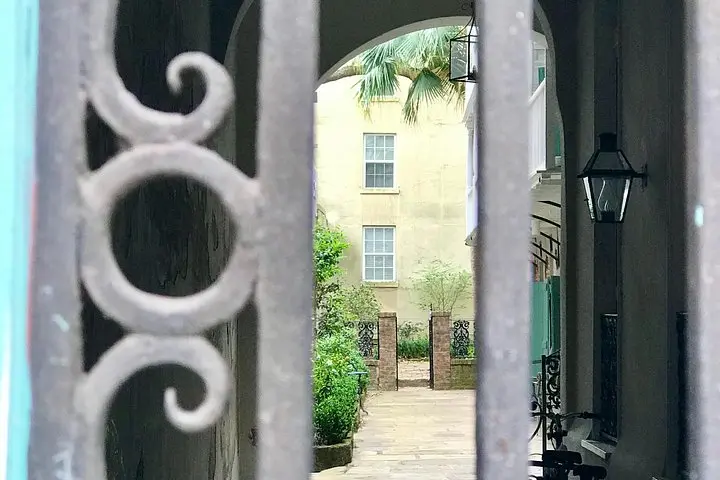
This two-hour small-group walking tour threads through colonial-era streets, where Spanish ironwork and French-built masonry stand shoulder to shoulder. Guides unpack layers of New Orleans history—French and Spanish governance, Creole culture, and the city’s role as a 19th-century port—while pointing out architectural details like hidden courtyards and wrought-iron galleries.
Geology shows itself in low-lying ground and levee-built defenses; the Quarter sits atop natural levees created by the river’s ancient floods, which is why the river’s presence looms in local stories and urban design.
Culturally, expect stops that explain Creole cuisine, the origins of beignets, and how music and film have used these streets as a backdrop. Local insights include where to sample the best café staples and which narrow alleys reveal quieter courtyards away from Bourbon Street’s bustle.
Practically: wear sturdy, closed-toe shoes for uneven sidewalks and brief cobblestone stretches; bring water and a lightweight rain shell—sudden showers are common. The tour is wheelchair-accessible on main paths, but some tight courtyard glimpses may be limited. Ask your guide for personalized restaurant and music recommendations tailored to your tastes; that local intel is the real value of a small group.
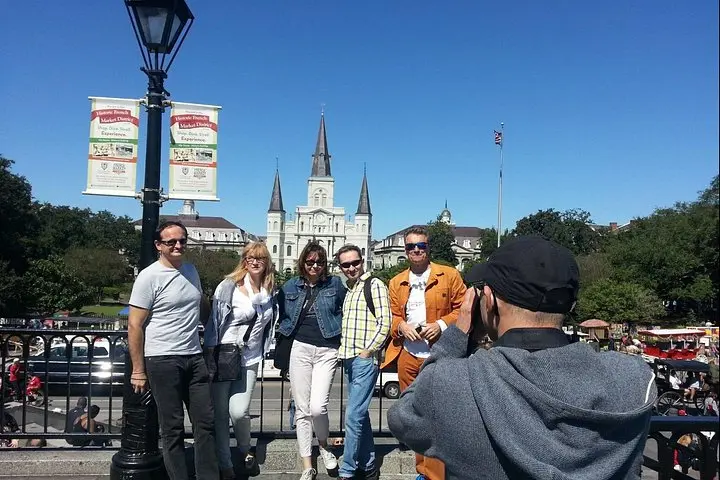
Finish near Jackson Square with a clearer map of where to eat, listen, and explore next.
The meeting point is next to Kilwins at the base of the large outdoor staircase in the French Quarter; your confirmation will include exact address and time.
Main sidewalks and many stops are wheelchair accessible, but some narrow courtyards and alleys may not be fully navigable—contact the operator ahead for accommodations.
This tour discusses Creole cuisine and points out where to eat but does not include food tastings; guides provide recommendations for nearby spots to try beignets and local dishes.
The operator may cancel for severe weather; if you cancel at least 24 hours in advance you can get a full refund per the booking policy.
New Orleans Secrets Tours operates guided outdoor trips and adventures with an emphasis on safety, stewardship, and memorable experiences.
The first step off the curb in the French Quarter is sensory: warm air carrying fried dough and spices, street performers calling passersby, and the Mississippi River daring you to follow its curve toward the horizon.
The first step off the curb in the French Quarter is sensory: warm air carrying fried dough and spices, street performers calling passersby, and the Mississippi River daring you to follow its curve toward the horizon.
This two-hour small-group walking tour threads through colonial-era streets, where Spanish ironwork and French-built masonry stand shoulder to shoulder. Guides unpack layers of New Orleans history—French and Spanish governance, Creole culture, and the city’s role as a 19th-century port—while pointing out architectural details like hidden courtyards and wrought-iron galleries.
Geology shows itself in low-lying ground and levee-built defenses; the Quarter sits atop natural levees created by the river’s ancient floods, which is why the river’s presence looms in local stories and urban design.
Culturally, expect stops that explain Creole cuisine, the origins of beignets, and how music and film have used these streets as a backdrop. Local insights include where to sample the best café staples and which narrow alleys reveal quieter courtyards away from Bourbon Street’s bustle.
Practically: wear sturdy, closed-toe shoes for uneven sidewalks and brief cobblestone stretches; bring water and a lightweight rain shell—sudden showers are common. The tour is wheelchair-accessible on main paths, but some tight courtyard glimpses may be limited. Ask your guide for personalized restaurant and music recommendations tailored to your tastes; that local intel is the real value of a small group.
Finish near Jackson Square with a clearer map of where to eat, listen, and explore next.