THE ADVENTURE COLLECTIVE® · Independent discovery and booking for outdoor travel

A compact, guided 6 km walk into Rhodes’ Petaloudes (Valley of the Butterflies) that places travelers in a shaded, humid gorge during peak butterfly season (July–September). Practical, small-group touring with moderate terrain and strong wildlife viewing potential.
A compact, guided 6 km walk into Rhodes’ Petaloudes (Valley of the Butterflies) that places travelers in a shaded, humid gorge during peak butterfly season (July–September). Practical, small-group touring with moderate terrain and strong wildlife viewing potential.
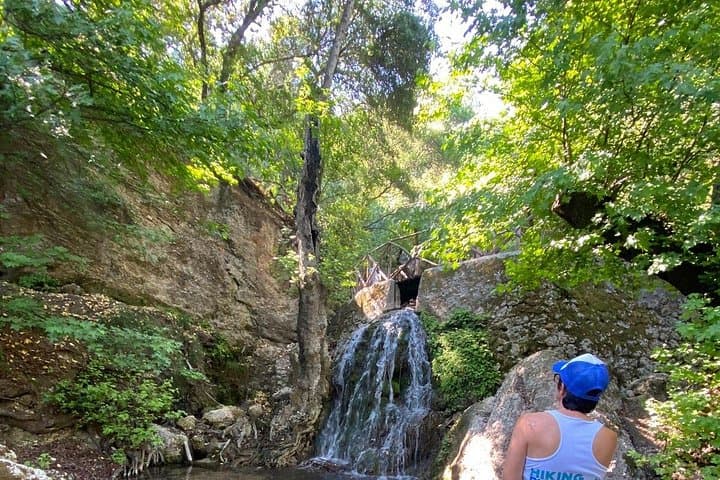
You step off the shuttle into a cool corridor of plane and styrax trees; the air smells faintly of resin and river moss, and the shaded path pulls you into the valley’s hush. For roughly two hours and about 6 km of walking, the trail threads a shallow gorge carried by a slow stream, wooden walkways and packed-earth paths guiding a group of no more than eight.
Verified experiences and guided adventures in the surrounding area.
Operated by Hiking rhodes · Petaloudes (Rhodes), South Aegean
You step off the shuttle into a cool corridor of plane and styrax trees; the air smells faintly of resin and river moss, and the shaded path pulls you into the valley’s hush. For roughly two hours and about 6 km of walking, the trail threads a shallow gorge carried by a slow stream, wooden walkways and packed-earth paths guiding a group of no more than eight.
Geology here is soft limestone folded into a narrow drainage that traps moisture—exactly the microclimate the species Panaxia quadripunctaria favors. Culturally, locals have long regarded Petaloudes as a seasonal spectacle; modern protection measures limit access and fund upkeep with a small entrance fee. Guides for small groups explain the butterflies’ life cycle and the role of eastern styrax trees in the insects’ late-summer congregation.
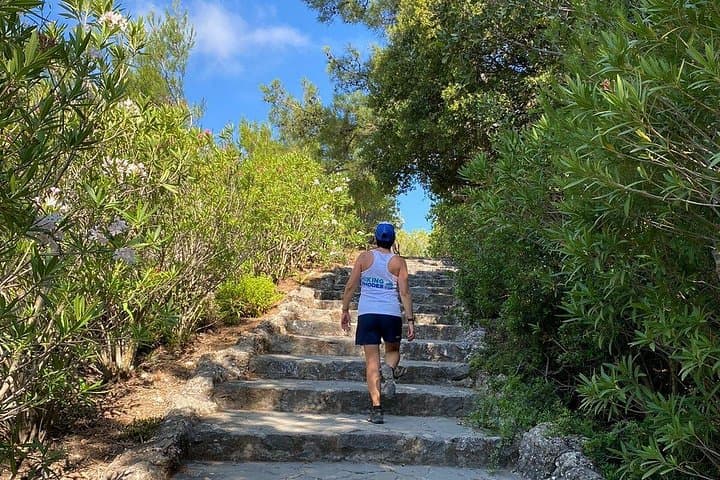
Expect easy to moderate terrain: some stone steps, low bridges, and occasional muddy patches after rain, with negligible elevation gain. The highest densities of butterflies occur July–September; off-season visits are quieter and reveal more birds and the valley’s stream channels.
Practical notes: bring sturdy walking shoes, a refillable water bottle, sun protection for transfers, and a light layer for cooler, shaded sections. The tour includes bottled water, transport, and the €5 entrance ticket. Not recommended for travelers with serious back, heart, or pregnancy-related concerns; a moderate fitness level is advised.
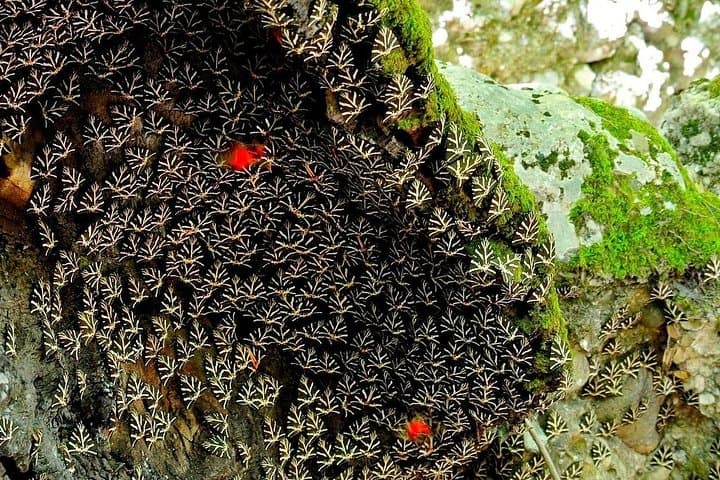
The valley rewards steady, observant walking more than speed. Move slowly, follow the guide, and you’ll watch thousands of winged visitors settle like a living map across trunks and rocks.
The peak congregation runs July through September, with the highest densities in late summer; mornings tend to be cooler and less crowded.
The route is about 6 km and typically takes 2–3 hours with minimal elevation gain; terrain is easy to moderate with some steps and boardwalks.
Children can enjoy the valley, but the tour isn’t recommended for travelers with serious spinal, heart, or pregnancy concerns; accessibility is limited in places due to steps and narrow walkways.
Yes—the tour includes comfortable transfers, bottled water, and the valley entrance fee (approximately €5) as listed in the inclusions.
Hiking rhodes operates guided outdoor trips and adventures with an emphasis on safety, stewardship, and memorable experiences.

You step off the shuttle into a cool corridor of plane and styrax trees; the air smells faintly of resin and river moss, and the shaded path pulls you into the valley’s hush. For roughly two hours and about 6 km of walking, the trail threads a shallow gorge carried by a slow stream, wooden walkways and packed-earth paths guiding a group of no more than eight.
You step off the shuttle into a cool corridor of plane and styrax trees; the air smells faintly of resin and river moss, and the shaded path pulls you into the valley’s hush. For roughly two hours and about 6 km of walking, the trail threads a shallow gorge carried by a slow stream, wooden walkways and packed-earth paths guiding a group of no more than eight.
Geology here is soft limestone folded into a narrow drainage that traps moisture—exactly the microclimate the species Panaxia quadripunctaria favors. Culturally, locals have long regarded Petaloudes as a seasonal spectacle; modern protection measures limit access and fund upkeep with a small entrance fee. Guides for small groups explain the butterflies’ life cycle and the role of eastern styrax trees in the insects’ late-summer congregation.
Expect easy to moderate terrain: some stone steps, low bridges, and occasional muddy patches after rain, with negligible elevation gain. The highest densities of butterflies occur July–September; off-season visits are quieter and reveal more birds and the valley’s stream channels.
Practical notes: bring sturdy walking shoes, a refillable water bottle, sun protection for transfers, and a light layer for cooler, shaded sections. The tour includes bottled water, transport, and the €5 entrance ticket. Not recommended for travelers with serious back, heart, or pregnancy-related concerns; a moderate fitness level is advised.
The valley rewards steady, observant walking more than speed. Move slowly, follow the guide, and you’ll watch thousands of winged visitors settle like a living map across trunks and rocks.