THE ADVENTURE COLLECTIVE® · Independent discovery and booking for outdoor travel

Experience the Marietas Islands up close: swim through the tunnel to Playa Escondida, snorkel vibrant reefs, watch blue-footed boobies, and spot migrating whales on a 4–5 hour small-group safari. Practical prep and tide-aware timing make this high-reward coastal adventure.
Experience the Marietas Islands up close: swim through the tunnel to Playa Escondida, snorkel vibrant reefs, watch blue-footed boobies, and spot migrating whales on a 4–5 hour small-group safari. Practical prep and tide-aware timing make this high-reward coastal adventure.
The boat cuts through Bahia de Banderas at dawn, spray stinging your face as the Marietas rise from the blue like weathered sculptures. Guides check life vests, and the engine drops to a hush as you tie off near Isla Redonda. A short swim through a low tunnel delivers you into Playa Escondida — the beach appears like a sunlit secret, the ocean daring you to cross its narrow throat.
Verified experiences and guided adventures in the surrounding area.
Operated by OCEANUS Lifetime · Punta de Mita, Nayarit
The boat cuts through Bahia de Banderas at dawn, spray stinging your face as the Marietas rise from the blue like weathered sculptures. Guides check life vests, and the engine drops to a hush as you tie off near Isla Redonda. A short swim through a low tunnel delivers you into Playa Escondida — the beach appears like a sunlit secret, the ocean daring you to cross its narrow throat.
These volcanic islets were carved by undersea eruptions and wave-driven erosion; over centuries the rock collapsed inward to form craters and arches. The islands were used historically for target practice in the 20th century and later protected as a national park because of their rare nesting colonies and vibrant reefs. Locals add flavor to the trip: Acapulqueño-style shrimp ceviche, anecdotes about blue-footed boobies, and tips on reading tides that decide whether the Hidden Beach is visitable.
Practical guidance: tours run 4–5 hours and require moderate fitness and basic swimming; the swim through the tunnel is short (about 80 meters round trip) but depends on tide. Snorkeling at Calavera Reef yields close encounters with reef fish, and guides supply masks and life vests. Bring reef-safe sunscreen, a snug mask if you have one, and a light waterproof layer for wind. If you visit in winter, keep an eye out for migrating humpbacks from December through March; in summer expect calmer water and excellent visibility. Timing your trip for low tide increases the chance to enter the Hidden Beach; guides will advise timing the morning departure for the calmest conditions.
The swim through the marine tunnel is roughly 80 meters round trip and usually takes 6–7 minutes; guides provide life vests and accompany swimmers.
Yes — masks, snorkels and life vests are typically supplied; bringing your own mask can improve fit and comfort.
No — access depends on tide and sea conditions; operators will delay or reschedule if tides are unfavorable for safe entry.
Humpback whales frequent Bahia de Banderas from about December 10 through March 23, offering the best chances for calf-and-mother sightings.
OCEANUS Lifetime operates guided outdoor trips and adventures with an emphasis on safety, stewardship, and memorable experiences.
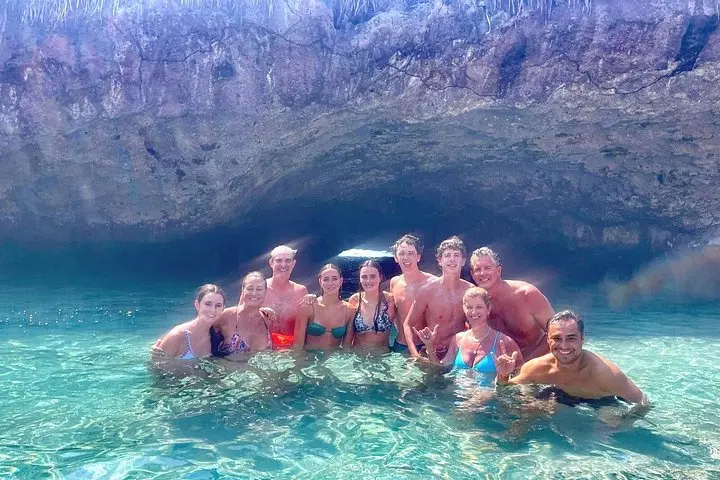
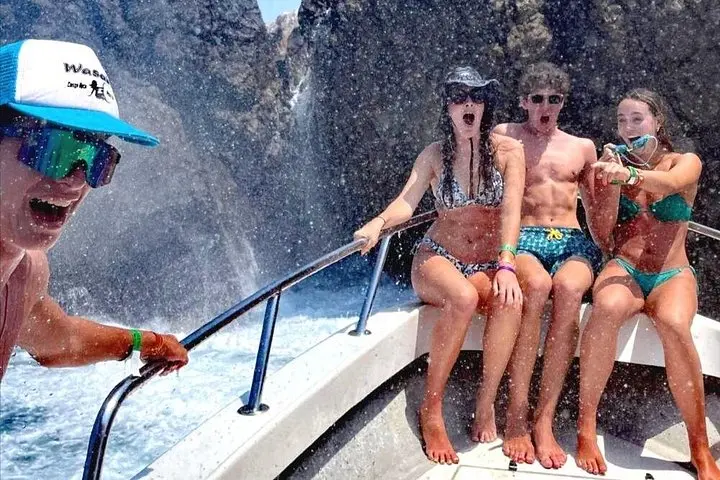
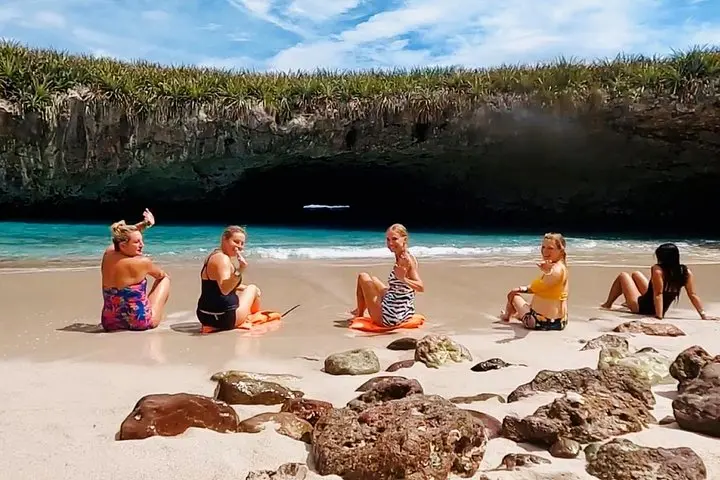
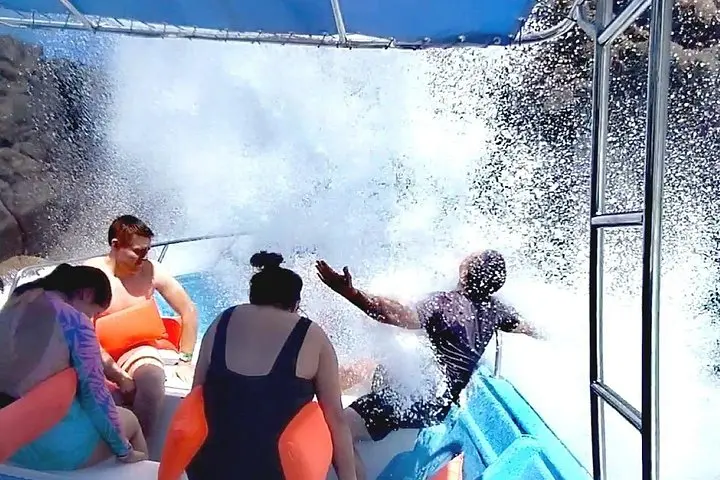
The boat cuts through Bahia de Banderas at dawn, spray stinging your face as the Marietas rise from the blue like weathered sculptures. Guides check life vests, and the engine drops to a hush as you tie off near Isla Redonda. A short swim through a low tunnel delivers you into Playa Escondida — the beach appears like a sunlit secret, the ocean daring you to cross its narrow throat.
The boat cuts through Bahia de Banderas at dawn, spray stinging your face as the Marietas rise from the blue like weathered sculptures. Guides check life vests, and the engine drops to a hush as you tie off near Isla Redonda. A short swim through a low tunnel delivers you into Playa Escondida — the beach appears like a sunlit secret, the ocean daring you to cross its narrow throat.
These volcanic islets were carved by undersea eruptions and wave-driven erosion; over centuries the rock collapsed inward to form craters and arches. The islands were used historically for target practice in the 20th century and later protected as a national park because of their rare nesting colonies and vibrant reefs. Locals add flavor to the trip: Acapulqueño-style shrimp ceviche, anecdotes about blue-footed boobies, and tips on reading tides that decide whether the Hidden Beach is visitable.
Practical guidance: tours run 4–5 hours and require moderate fitness and basic swimming; the swim through the tunnel is short (about 80 meters round trip) but depends on tide. Snorkeling at Calavera Reef yields close encounters with reef fish, and guides supply masks and life vests. Bring reef-safe sunscreen, a snug mask if you have one, and a light waterproof layer for wind. If you visit in winter, keep an eye out for migrating humpbacks from December through March; in summer expect calmer water and excellent visibility. Timing your trip for low tide increases the chance to enter the Hidden Beach; guides will advise timing the morning departure for the calmest conditions.