THE ADVENTURE COLLECTIVE® · Independent discovery and booking for outdoor travel

This 15-day Small Miracle tour threads Sri Lanka’s highlights—Sigiriya, Kandy, Horton Plains, Yala and southern beaches—into a single, well-paced circuit. Expect cultural monuments, tea-country climbs, elephant gatherings and coastal downtime with practical logistics handled.
This 15-day Small Miracle tour threads Sri Lanka’s highlights—Sigiriya, Kandy, Horton Plains, Yala and southern beaches—into a single, well-paced circuit. Expect cultural monuments, tea-country climbs, elephant gatherings and coastal downtime with practical logistics handled.
You step out of Bandaranaike International into humid air that smells of coconut and diesel, and a driver holding a placard with your name. Within an hour you’re on a quiet stretch of beach at Negombo, gulls pacing the tide as fishing boats rock like old friends. That opening scene—coast, temples, tea-swept hills and scrubland where elephants move like slow weather—sets the rhythm for this 15-day circuit across Sri Lanka.
Verified experiences and guided adventures in the surrounding area.
Operated by Lakpura LLC · Colombo, Western Province
You step out of Bandaranaike International into humid air that smells of coconut and diesel, and a driver holding a placard with your name. Within an hour you’re on a quiet stretch of beach at Negombo, gulls pacing the tide as fishing boats rock like old friends. That opening scene—coast, temples, tea-swept hills and scrubland where elephants move like slow weather—sets the rhythm for this 15-day circuit across Sri Lanka.
The route reads like a compact history of the island. You move from Sigiriya’s 5th-century rock fortress—engineered cisterns and terraced gardens clinging 370 feet above the plains—to the 11th–13th century ruins of Polonnaruwa where carved Buddhas sit in sun-warmed stone. Kandy’s Temple of the Tooth brings religious pageantry, while the British-era gardens and colonial bungalows of Nuwara Eliya introduce the tea-era geology: steep, weathered hills carved into neat rows of Camellia sinensis at roughly 1,868 meters elevation.
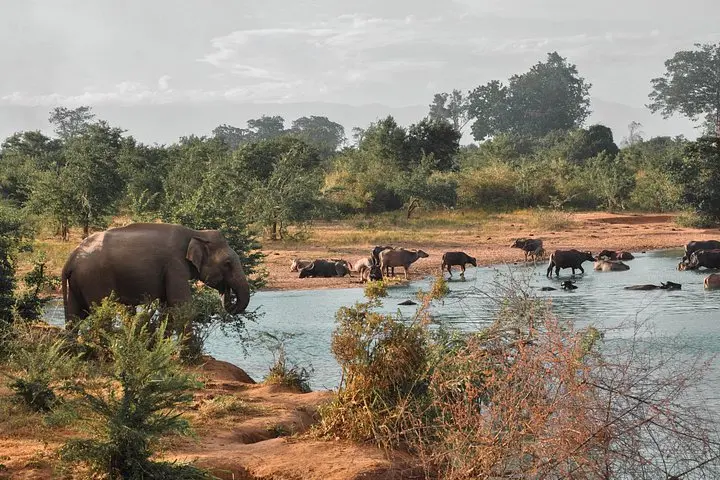
Geology and climate do much of the storytelling. Horton Plains and World’s End drop away in sheer precipices at about 2,100 meters; mist and short montane grass create a landscape that cools the body and sharpens the senses. Down south, Yala’s scrub and lagoons are flat and scrubby—better for spotting leopards and elephant herds congregating in Minneriya between May and October. The trip ends with coastal rhythms in Bentota and Galle: tidal flats, Dutch ramparts, and the slow, sea-weathered architecture of a trading past.
Culture is tactile here. In a Matale spice garden you learn the scent and utility of cardamom and cinnamon; in a village you’ll share a wood-fired lunch served on lotus leaves. Guides and chauffeurs are typically English-speaking and serve as both driver and interpreter for markets, temples and safaris.
Practical edge: daily drives vary—expect several 3–5 hour transfers (Colombo to Sigiriya ~4 hours, Nuwara Eliya to Ella ~2–3 hours). Most days include 60–180 minute activities with time to rest. Temperatures swing with altitude: pack a lightweight rain shell for sudden tropical showers and a warm layer for nights in the highlands. For safaris, early mornings and late afternoons are best light and animal activity; keep binoculars and a telephoto lens ready.
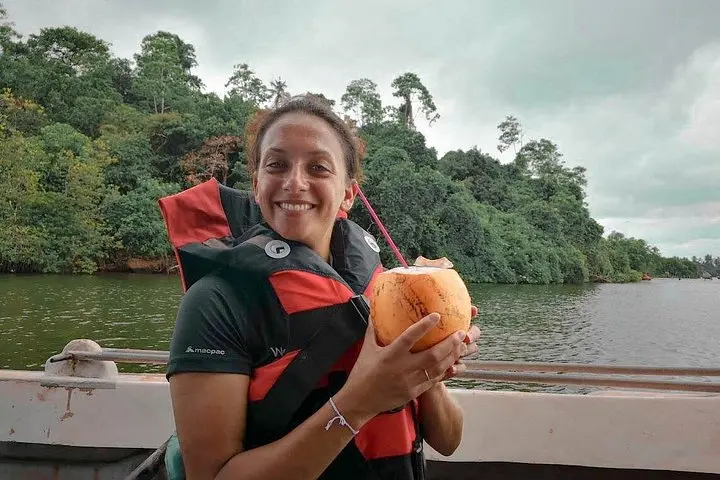
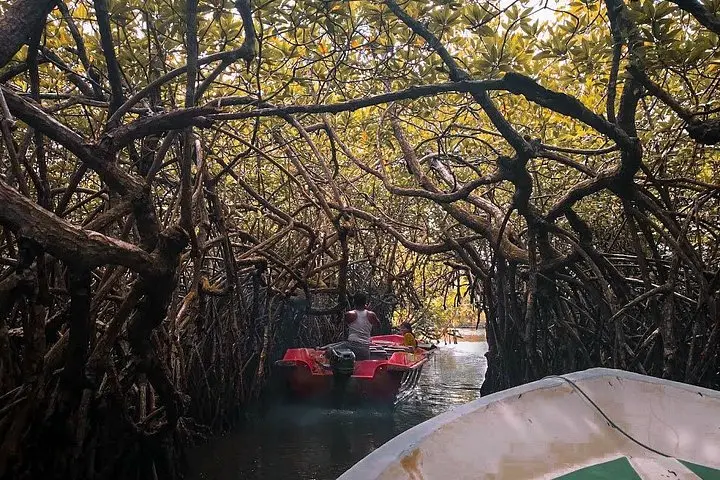
This itinerary pairs confident logistics with open moments: quiet tea stops, a spice tour, and boat channels in Madu River that dare you to slow down. For travelers with moderate fitness, it’s a reliably immersive way to see Sri Lanka’s ecology, history and coast without constant upheaval.
Most nationalities require an Electronic Travel Authorization (ETA) before arrival—apply online at the official portal before travel.
Some park admissions are included per itinerary notes; confirm specific site fees at booking and have extra cash for any optional entries.
Yes—families can take this route, though safaris and long drives may be tiring for very young children; infant seats are available upon request.
Elephants congregate at Minneriya mainly May–October; leopards in Yala are most active at dawn and dusk year-round but sightings are never guaranteed.
Most walks are short to moderate (30–180 minutes); Sigiriya involves steep staircases and short climbs—wear good shoes.
Yes—local guides and hotels generally accommodate vegetarian, vegan and common allergies with advance notice.
Lakpura LLC operates guided outdoor trips and adventures with an emphasis on safety, stewardship, and memorable experiences.
You step out of Bandaranaike International into humid air that smells of coconut and diesel, and a driver holding a placard with your name. Within an hour you’re on a quiet stretch of beach at Negombo, gulls pacing the tide as fishing boats rock like old friends. That opening scene—coast, temples, tea-swept hills and scrubland where elephants move like slow weather—sets the rhythm for this 15-day circuit across Sri Lanka.
You step out of Bandaranaike International into humid air that smells of coconut and diesel, and a driver holding a placard with your name. Within an hour you’re on a quiet stretch of beach at Negombo, gulls pacing the tide as fishing boats rock like old friends. That opening scene—coast, temples, tea-swept hills and scrubland where elephants move like slow weather—sets the rhythm for this 15-day circuit across Sri Lanka.
The route reads like a compact history of the island. You move from Sigiriya’s 5th-century rock fortress—engineered cisterns and terraced gardens clinging 370 feet above the plains—to the 11th–13th century ruins of Polonnaruwa where carved Buddhas sit in sun-warmed stone. Kandy’s Temple of the Tooth brings religious pageantry, while the British-era gardens and colonial bungalows of Nuwara Eliya introduce the tea-era geology: steep, weathered hills carved into neat rows of Camellia sinensis at roughly 1,868 meters elevation.
Geology and climate do much of the storytelling. Horton Plains and World’s End drop away in sheer precipices at about 2,100 meters; mist and short montane grass create a landscape that cools the body and sharpens the senses. Down south, Yala’s scrub and lagoons are flat and scrubby—better for spotting leopards and elephant herds congregating in Minneriya between May and October. The trip ends with coastal rhythms in Bentota and Galle: tidal flats, Dutch ramparts, and the slow, sea-weathered architecture of a trading past.
Culture is tactile here. In a Matale spice garden you learn the scent and utility of cardamom and cinnamon; in a village you’ll share a wood-fired lunch served on lotus leaves. Guides and chauffeurs are typically English-speaking and serve as both driver and interpreter for markets, temples and safaris.
Practical edge: daily drives vary—expect several 3–5 hour transfers (Colombo to Sigiriya ~4 hours, Nuwara Eliya to Ella ~2–3 hours). Most days include 60–180 minute activities with time to rest. Temperatures swing with altitude: pack a lightweight rain shell for sudden tropical showers and a warm layer for nights in the highlands. For safaris, early mornings and late afternoons are best light and animal activity; keep binoculars and a telephoto lens ready.
This itinerary pairs confident logistics with open moments: quiet tea stops, a spice tour, and boat channels in Madu River that dare you to slow down. For travelers with moderate fitness, it’s a reliably immersive way to see Sri Lanka’s ecology, history and coast without constant upheaval.