THE ADVENTURE COLLECTIVE® · Independent discovery and booking for outdoor travel

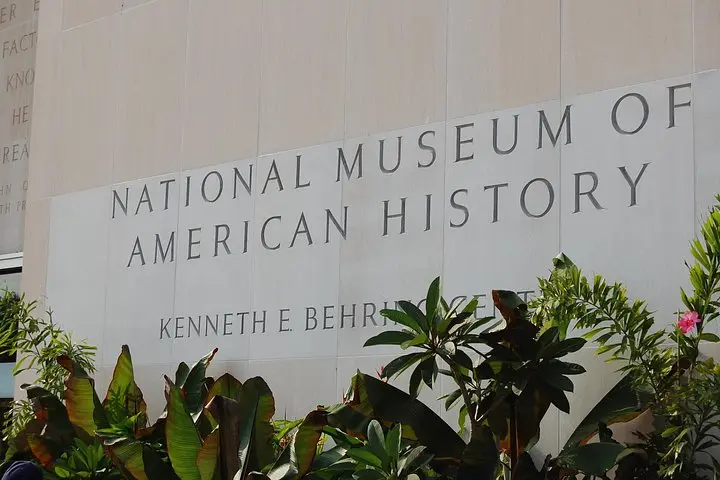
Move beyond glass cases on this 2.5-hour small-group tour of the National Museum of American History. Learn the stories behind headline artifacts—from Washington’s sword to Dorothy’s ruby slippers—while navigating museum logistics with an expert guide.
Move beyond glass cases on this 2.5-hour small-group tour of the National Museum of American History. Learn the stories behind headline artifacts—from Washington’s sword to Dorothy’s ruby slippers—while navigating museum logistics with an expert guide.
You step out of the Washington light and into a hushed room where objects keep personal time—flags folded as if mid-wave, a sword dulled by history, a pair of red slippers that still catch the eye. The guide draws a line through decades, inviting questions and pointing to details most visitors miss.
Verified experiences and guided adventures in the surrounding area.
Operated by Babylon Tours DC · Washington, DC
You step out of the Washington light and into a hushed room where objects keep personal time—flags folded as if mid-wave, a sword dulled by history, a pair of red slippers that still catch the eye. The guide draws a line through decades, inviting questions and pointing to details most visitors miss.
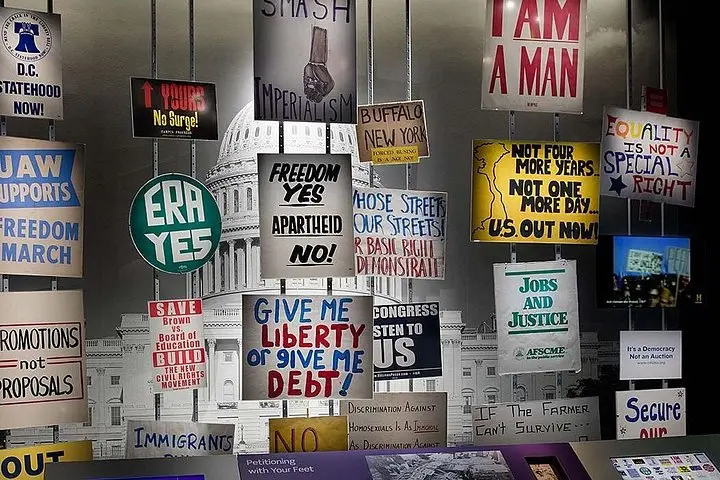
The National Museum of American History catalogs a young nation’s ambitions and contradictions: political artifacts from the Revolutionary era, Civil War material culture, Civil Rights landmarks including the Greensboro lunch counter, and pop-culture icons that trace social change. The building itself—on Constitution Avenue across the National Mall—sits on river plain soils shaped by glacial outwash and the slow pull of the Potomac, a landscape that made Washington a transport and ceremonial hub.
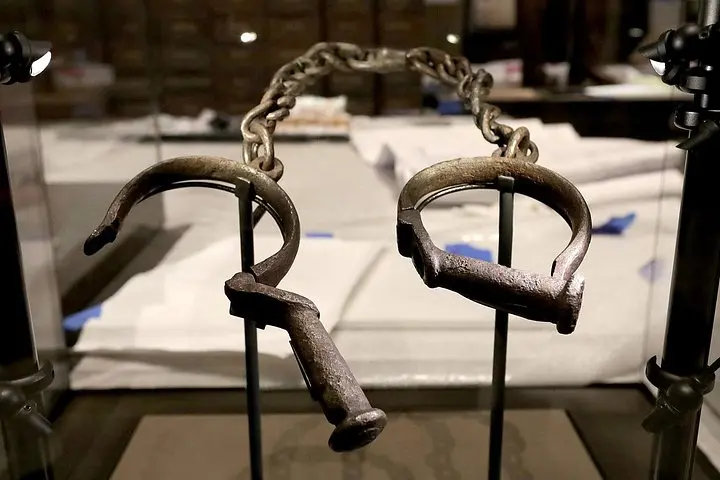
Expect a mix of textiles, metalwork and audiovisual displays; galleries are climate-controlled and often dim to protect fragile pieces. Guides for semi-private groups (max eight) move deliberately, allowing time for close looks and questions while navigating security checkpoints and occasional restricted rooms.
Practical notes: arrive at the fountain by the Constitution Ave entrance at least 10 minutes early; large bags are restricted and airport-style security lines are standard. Comfortable shoes, a charged phone for photos where allowed, and a small crossbody or thin pack keep you mobile. Weekends and summer see heavier crowds—early departures are quieter.
This 2.5-hour tour trades the overwhelm of a self-guided visit for curated context: you leave with threads—political, cultural, technological—that make the objects readable and the nation’s history clearer.
This guided tour focuses on the National Museum of American History experience; admission policies vary—your booking confirms access for the group but standard museum security and entry rules apply.
No—large suitcases and oversized bags are prohibited; only small handbags or thin backpacks that fit through security are permitted.
The museum is generally accessible and strollers are allowed, but notify the operator of any special requirements so guides can accommodate your group.
Photography is allowed in many galleries but some rooms have restrictions; your guide will advise before entering sensitive or quiet spaces.
Babylon Tours DC operates guided outdoor trips and adventures with an emphasis on safety, stewardship, and memorable experiences.
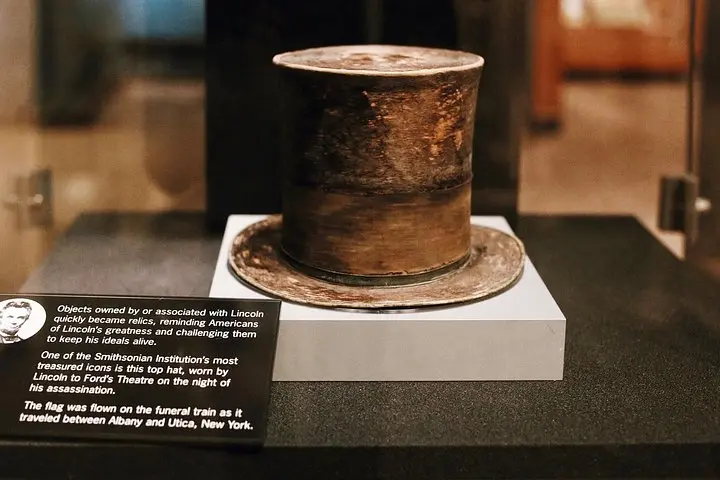
You step out of the Washington light and into a hushed room where objects keep personal time—flags folded as if mid-wave, a sword dulled by history, a pair of red slippers that still catch the eye. The guide draws a line through decades, inviting questions and pointing to details most visitors miss.
You step out of the Washington light and into a hushed room where objects keep personal time—flags folded as if mid-wave, a sword dulled by history, a pair of red slippers that still catch the eye. The guide draws a line through decades, inviting questions and pointing to details most visitors miss.
The National Museum of American History catalogs a young nation’s ambitions and contradictions: political artifacts from the Revolutionary era, Civil War material culture, Civil Rights landmarks including the Greensboro lunch counter, and pop-culture icons that trace social change. The building itself—on Constitution Avenue across the National Mall—sits on river plain soils shaped by glacial outwash and the slow pull of the Potomac, a landscape that made Washington a transport and ceremonial hub.
Expect a mix of textiles, metalwork and audiovisual displays; galleries are climate-controlled and often dim to protect fragile pieces. Guides for semi-private groups (max eight) move deliberately, allowing time for close looks and questions while navigating security checkpoints and occasional restricted rooms.
Practical notes: arrive at the fountain by the Constitution Ave entrance at least 10 minutes early; large bags are restricted and airport-style security lines are standard. Comfortable shoes, a charged phone for photos where allowed, and a small crossbody or thin pack keep you mobile. Weekends and summer see heavier crowds—early departures are quieter.
This 2.5-hour tour trades the overwhelm of a self-guided visit for curated context: you leave with threads—political, cultural, technological—that make the objects readable and the nation’s history clearer.