THE ADVENTURE COLLECTIVE® · Independent discovery and booking for outdoor travel

Condensed highlights and practical tips for a focused two‑hour guided visit to the Smithsonian National Museum of Natural History. Learn what to expect, how to plan arrival, and where to explore afterward.
Condensed highlights and practical tips for a focused two‑hour guided visit to the Smithsonian National Museum of Natural History. Learn what to expect, how to plan arrival, and where to explore afterward.
You step off the Mall and the museum's limestone façade frames the city sky, the roar of a distant tour bus giving way to hushed galleries where fossils and gems claim the light. A guided two‑hour tour moves with purpose: a skeleton seems to tilt toward you, a gem case pulls the eye, and a docent ties threads between geology, human history and living ecosystems.
Verified experiences and guided adventures in the surrounding area.
Operated by UTG Experience · Washington, District of Columbia
You step off the Mall and the museum's limestone façade frames the city sky, the roar of a distant tour bus giving way to hushed galleries where fossils and gems claim the light. A guided two‑hour tour moves with purpose: a skeleton seems to tilt toward you, a gem case pulls the eye, and a docent ties threads between geology, human history and living ecosystems.
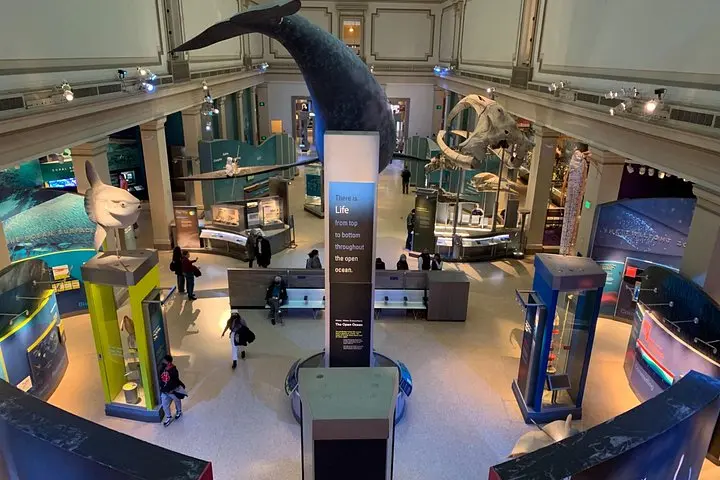
Opened in 1910, the National Museum of Natural History houses one of the world's largest scientific collections — millions of specimens that document deep time and the human story. The Fossil Halls map ancient oceans and dinosaurs; the Gems and Minerals room centers spectacular crystallography and the famous Hope Diamond; cultural displays trace tools and adaptations that shaped civilizations.
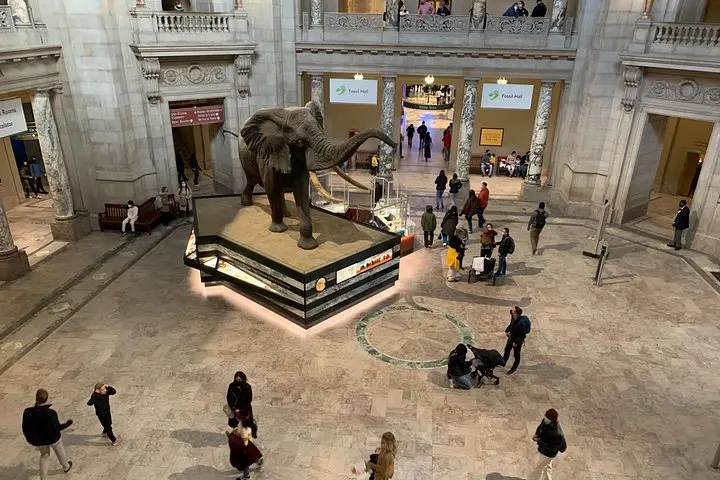
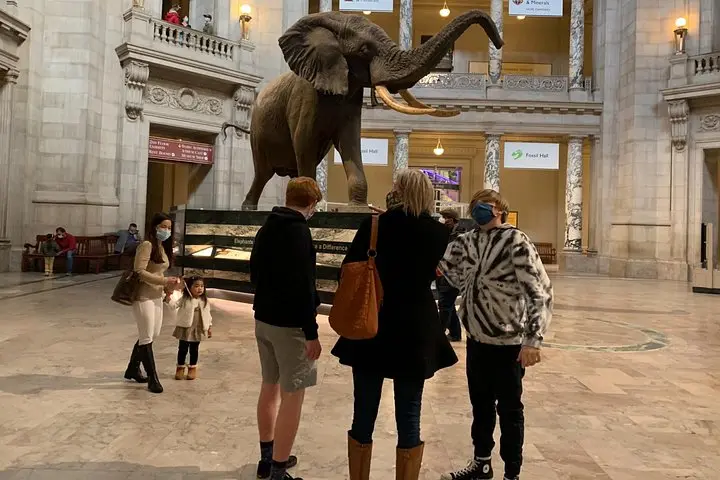
Expect a mix of architectural grandeur and scientific detail: marble floors, long display cases, compact galleries built around specimen cabinets. The tour is designed to highlight major specimens and conservation stories, and guides frequently discuss specimen provenance and the museum’s research role.
Practical guidance: meet your guide at the museum entrance on Constitution Avenue, arrive 15 minutes early for security screening, and plan an extra hour after the tour to explore. The museum is free to enter; guided tours like this are ticketed. Wear comfortable shoes — gallery floors and walking between halls add up — and carry a charged phone for photos and maps. The museum is wheelchair accessible and public transit (Smithsonian Metro/nearby bus stops) puts you within easy walking distance.
Whether you’re here for fossils or gems, the guided tour condenses a sprawling collection into a focused, accessible narrative that helps you see what matters most and where to go next.
Admission to the museum is free; the guided tour is a separate ticketed service that provides an expert-led experience.
Yes — the museum and the tour are wheelchair accessible; staff can provide assistance if requested at booking.
Personal photography is generally permitted in permanent exhibits; avoid flash photography and tripods and follow any posted restrictions.
You may remain in the museum for as long as it is open after the tour to explore on your own.
UTG Experience operates guided outdoor trips and adventures with an emphasis on safety, stewardship, and memorable experiences.
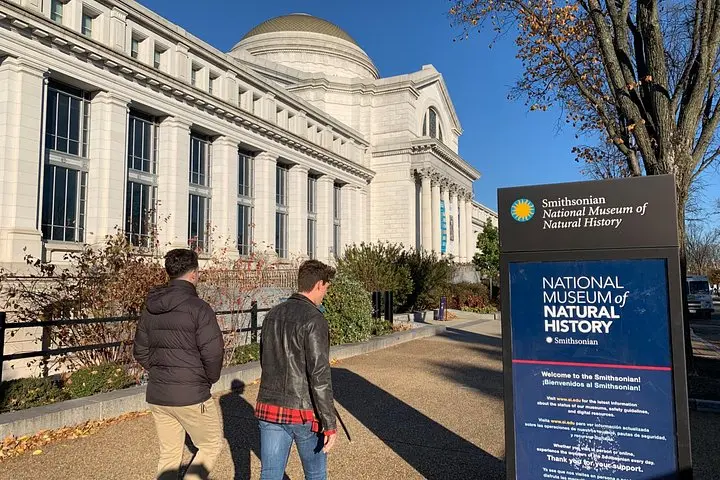
You step off the Mall and the museum's limestone façade frames the city sky, the roar of a distant tour bus giving way to hushed galleries where fossils and gems claim the light. A guided two‑hour tour moves with purpose: a skeleton seems to tilt toward you, a gem case pulls the eye, and a docent ties threads between geology, human history and living ecosystems.
You step off the Mall and the museum's limestone façade frames the city sky, the roar of a distant tour bus giving way to hushed galleries where fossils and gems claim the light. A guided two‑hour tour moves with purpose: a skeleton seems to tilt toward you, a gem case pulls the eye, and a docent ties threads between geology, human history and living ecosystems.
Opened in 1910, the National Museum of Natural History houses one of the world's largest scientific collections — millions of specimens that document deep time and the human story. The Fossil Halls map ancient oceans and dinosaurs; the Gems and Minerals room centers spectacular crystallography and the famous Hope Diamond; cultural displays trace tools and adaptations that shaped civilizations.
Expect a mix of architectural grandeur and scientific detail: marble floors, long display cases, compact galleries built around specimen cabinets. The tour is designed to highlight major specimens and conservation stories, and guides frequently discuss specimen provenance and the museum’s research role.
Practical guidance: meet your guide at the museum entrance on Constitution Avenue, arrive 15 minutes early for security screening, and plan an extra hour after the tour to explore. The museum is free to enter; guided tours like this are ticketed. Wear comfortable shoes — gallery floors and walking between halls add up — and carry a charged phone for photos and maps. The museum is wheelchair accessible and public transit (Smithsonian Metro/nearby bus stops) puts you within easy walking distance.
Whether you’re here for fossils or gems, the guided tour condenses a sprawling collection into a focused, accessible narrative that helps you see what matters most and where to go next.