THE ADVENTURE COLLECTIVE® · Independent discovery and booking for outdoor travel

Skip the taxi scramble and book a private transfer between Punta Cana International Airport (PUJ) and hotels along Carretera Cabeza de Toro. Expect a climate‑controlled vehicle, optional infant or wheelchair seats, and a 30–60 minute ride depending on traffic.
Skip the taxi scramble and book a private transfer between Punta Cana International Airport (PUJ) and hotels along Carretera Cabeza de Toro. Expect a climate‑controlled vehicle, optional infant or wheelchair seats, and a 30–60 minute ride depending on traffic.
You step out into Punta Cana's arrival hall and the humid Atlantic breeze pushes at the door like an invitation. A driver holds a name sign, the air-conditioned vehicle idles, and the road unfurls toward Carretera Cabeza de Toro—palm-fringed coast, low-rise resorts, and the steady hum of tourism.
Verified experiences and guided adventures in the surrounding area.
Operated by DOMINICAN TRANSFERS P.U.J · Punta Cana, La Altagracia
You step out into Punta Cana's arrival hall and the humid Atlantic breeze pushes at the door like an invitation. A driver holds a name sign, the air-conditioned vehicle idles, and the road unfurls toward Carretera Cabeza de Toro—palm-fringed coast, low-rise resorts, and the steady hum of tourism.
This corridor sits on the eastern edge of Hispaniola, where limestone bedrock gives way to sandy coastal spits and mangrove pockets. Spanish colonial history and Taino heritage shaped local settlements; today, the roadside is a pragmatic mix of hotels, small eateries, and souvenir stands that reflect Dominican rhythms more than postcard perfection.
Practically speaking, the transfer is a short, straightforward motor route—allow 30–60 minutes depending on traffic and time of day. Vehicles are typically climate-controlled and can be equipped with infant seats or wheelchair access by request. Drivers know local drop-off points and will advise on the quickest entrance to your hotel, whether it’s a gated resort or a small-carriageway property.
Plan to confirm your flight details and pickup location in advance, keep passports and reservation info handy, and allow extra time for late flights or customs lines. If you arrive at midday, expect steady traffic; early morning and late evening runs tend to be faster. Carry small Dominican pesos for incidental tips or purchases, and pack a light layer—air conditioning inside cars can be cool after the outdoor heat.
This transfer is about efficient transition: a calm, reliable bridge from airport bustle to beachfront calm, with local drivers who understand the small logistics that make an arrival feel effortless.
Transit time is typically 30–60 minutes from Punta Cana Airport to Carretera Cabeza de Toro hotels, but actual duration depends on traffic and time of day.
Yes—infant seats are available on request; include this requirement when booking so the operator can provide the correct seat.
Standard allowance is 1 suitcase and 1 carry‑on per traveler; oversized items like surfboards or golf clubs may have restrictions—confirm with the operator before travel.
Many vehicles and pickup areas are wheelchair accessible; specify accessibility needs at booking so a suitable vehicle can be assigned.
DOMINICAN TRANSFERS P.U.J operates guided outdoor trips and adventures with an emphasis on safety, stewardship, and memorable experiences.


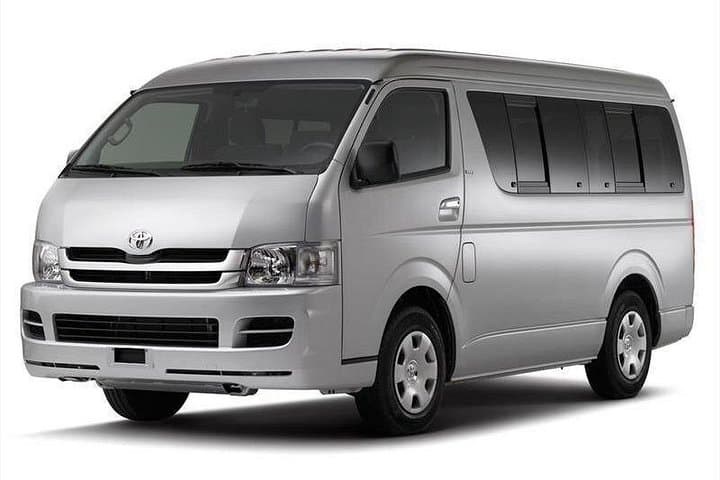
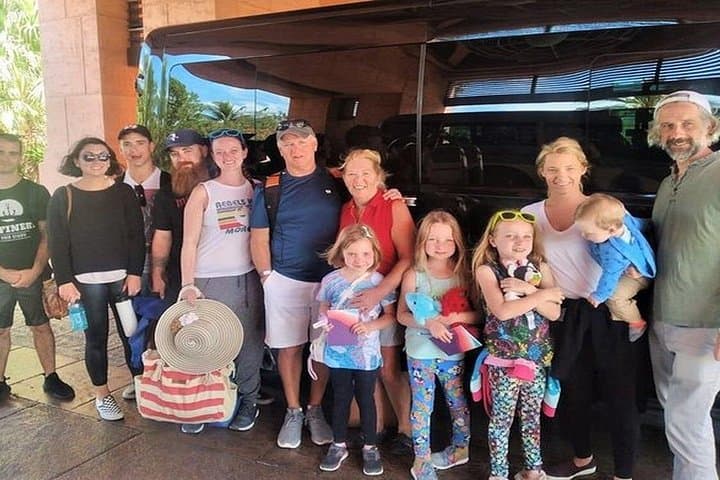
You step out into Punta Cana's arrival hall and the humid Atlantic breeze pushes at the door like an invitation. A driver holds a name sign, the air-conditioned vehicle idles, and the road unfurls toward Carretera Cabeza de Toro—palm-fringed coast, low-rise resorts, and the steady hum of tourism.
You step out into Punta Cana's arrival hall and the humid Atlantic breeze pushes at the door like an invitation. A driver holds a name sign, the air-conditioned vehicle idles, and the road unfurls toward Carretera Cabeza de Toro—palm-fringed coast, low-rise resorts, and the steady hum of tourism.
This corridor sits on the eastern edge of Hispaniola, where limestone bedrock gives way to sandy coastal spits and mangrove pockets. Spanish colonial history and Taino heritage shaped local settlements; today, the roadside is a pragmatic mix of hotels, small eateries, and souvenir stands that reflect Dominican rhythms more than postcard perfection.
Practically speaking, the transfer is a short, straightforward motor route—allow 30–60 minutes depending on traffic and time of day. Vehicles are typically climate-controlled and can be equipped with infant seats or wheelchair access by request. Drivers know local drop-off points and will advise on the quickest entrance to your hotel, whether it’s a gated resort or a small-carriageway property.
Plan to confirm your flight details and pickup location in advance, keep passports and reservation info handy, and allow extra time for late flights or customs lines. If you arrive at midday, expect steady traffic; early morning and late evening runs tend to be faster. Carry small Dominican pesos for incidental tips or purchases, and pack a light layer—air conditioning inside cars can be cool after the outdoor heat.
This transfer is about efficient transition: a calm, reliable bridge from airport bustle to beachfront calm, with local drivers who understand the small logistics that make an arrival feel effortless.