THE ADVENTURE COLLECTIVE® · Independent discovery and booking for outdoor travel

A full-day loop across the Snæfellsnes Peninsula—from Berserkjahraun’s lava fields to Kirkjufell and a family-run Shark Museum—this tour blends dramatic geology, coastal walks, and a dash of Icelandic food culture. Expect short walks, long views, and an 11–12 hour schedule from Reykjavík.
A full-day loop across the Snæfellsnes Peninsula—from Berserkjahraun’s lava fields to Kirkjufell and a family-run Shark Museum—this tour blends dramatic geology, coastal walks, and a dash of Icelandic food culture. Expect short walks, long views, and an 11–12 hour schedule from Reykjavík.
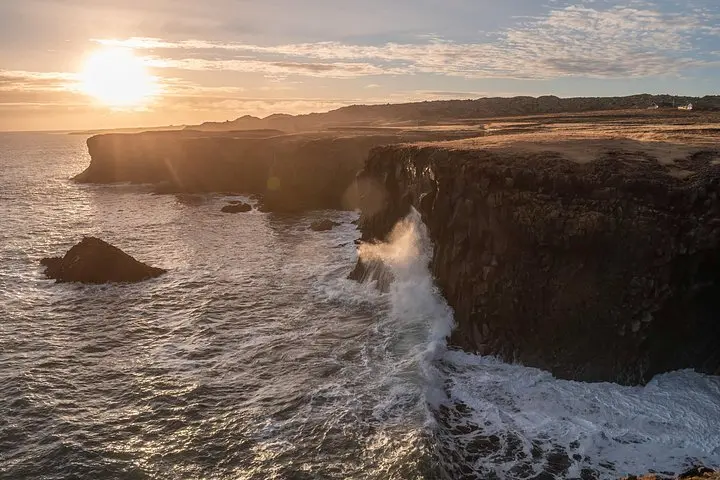
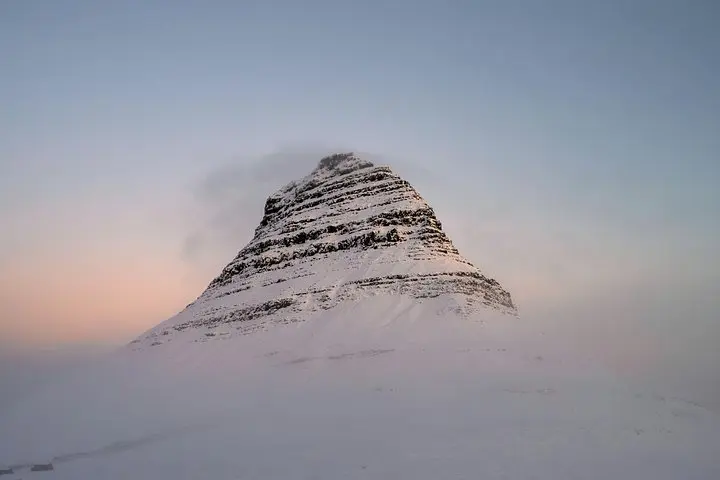
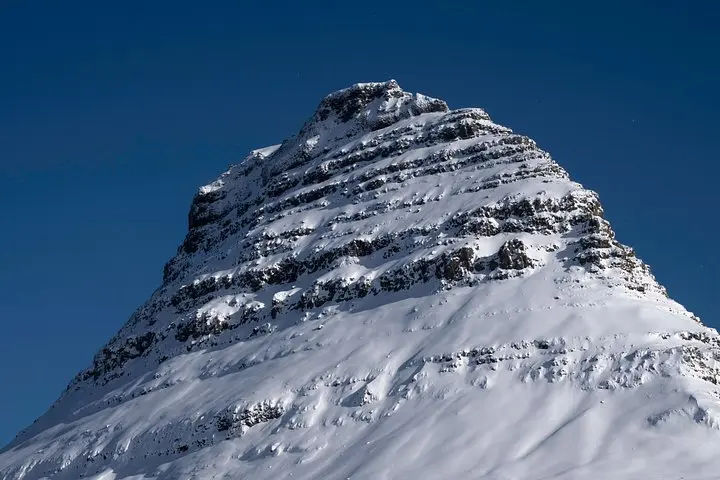
A cold Atlantic wind meets you on the Snæfellsnes coast—salt on your skin, basalt cliffs lashing the shore, and a lone mountain, Kirkjufell, rising like a pointed clock above twin waterfalls. The tour moves at a steady, scenic pace: stops long enough to soak in vistas, short enough to keep the day’s arc moving from lava to sea.
Verified experiences and guided adventures in the surrounding area.
Operated by Lilja Tours ehf. · Grundarfjörður, Vesturland
A cold Atlantic wind meets you on the Snæfellsnes coast—salt on your skin, basalt cliffs lashing the shore, and a lone mountain, Kirkjufell, rising like a pointed clock above twin waterfalls. The tour moves at a steady, scenic pace: stops long enough to soak in vistas, short enough to keep the day’s arc moving from lava to sea.
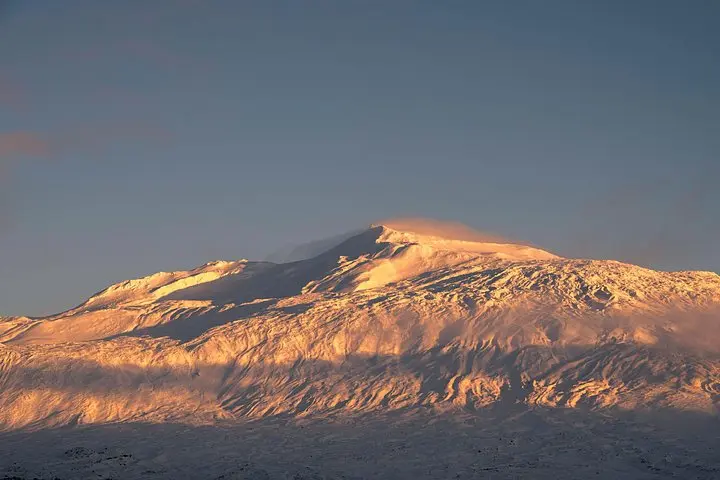
Geology here reads like an illustrated history of fire and ice. Berserkjahraun’s jagged lava flows are remnants of eruptions more than 4,000 years old; moss climbs the black rock in summer, softening sharp edges. Kirkjufell’s conical profile owes itself to glacial sculpting, while Bjarnarfoss drops from volcanic heights on melt-fed streams. Cultural threads run alongside these formations—fishing, centuries-old fermentation techniques, and sagas of settlers; the Shark Museum frames hákarl within that survival story.
Expect accessible short walks rather than long hikes: coastal paths, viewpoints, and short trails to waterfalls and cliffs. Wildlife is most active in summer—seabirds scream from cliffs and seals loaf on rocks below. The Shark Museum adds a tactile, human element: family-run traditions, hands-on stories, and for the daring, a taste of fermented shark.
Practical guidance: dress for wind and sudden weather changes, bring layers and waterproof footwear, and carry snacks and a charged camera. Plan for an 11–12 hour day if departing Reykjavík, and allow extra time for photography and weather delays. Respect marked paths—fragile moss and breeding birds reward patient observers.
The itinerary runs about 11–12 hours (660–720 minutes) including stops and short walks—expect a full day if departing Reykjavík.
Yes—walking is short and generally easy; the tour listing notes it’s suitable for all physical fitness levels, though guests should be able to manage uneven ground for brief periods.
You may spot seabirds (including puffins in summer) and seals along the coast, but sightings depend on season and weather.
Tasting at the Shark Museum is typically offered on-site; availability may vary and some tours offer it as an optional experience.
Lilja Tours ehf. operates guided outdoor trips and adventures with an emphasis on safety, stewardship, and memorable experiences.
A cold Atlantic wind meets you on the Snæfellsnes coast—salt on your skin, basalt cliffs lashing the shore, and a lone mountain, Kirkjufell, rising like a pointed clock above twin waterfalls. The tour moves at a steady, scenic pace: stops long enough to soak in vistas, short enough to keep the day’s arc moving from lava to sea.
A cold Atlantic wind meets you on the Snæfellsnes coast—salt on your skin, basalt cliffs lashing the shore, and a lone mountain, Kirkjufell, rising like a pointed clock above twin waterfalls. The tour moves at a steady, scenic pace: stops long enough to soak in vistas, short enough to keep the day’s arc moving from lava to sea.
Geology here reads like an illustrated history of fire and ice. Berserkjahraun’s jagged lava flows are remnants of eruptions more than 4,000 years old; moss climbs the black rock in summer, softening sharp edges. Kirkjufell’s conical profile owes itself to glacial sculpting, while Bjarnarfoss drops from volcanic heights on melt-fed streams. Cultural threads run alongside these formations—fishing, centuries-old fermentation techniques, and sagas of settlers; the Shark Museum frames hákarl within that survival story.
Expect accessible short walks rather than long hikes: coastal paths, viewpoints, and short trails to waterfalls and cliffs. Wildlife is most active in summer—seabirds scream from cliffs and seals loaf on rocks below. The Shark Museum adds a tactile, human element: family-run traditions, hands-on stories, and for the daring, a taste of fermented shark.
Practical guidance: dress for wind and sudden weather changes, bring layers and waterproof footwear, and carry snacks and a charged camera. Plan for an 11–12 hour day if departing Reykjavík, and allow extra time for photography and weather delays. Respect marked paths—fragile moss and breeding birds reward patient observers.