THE ADVENTURE COLLECTIVE® · Independent discovery and booking for outdoor travel
Travelers leave Reykjavik for a full-day loop around Snæfellsnes, where glacier-capped volcanoes, black sand beaches and Kirkjufell’s iconic cone provide easy hikes, cultural stops and dramatic coastal views. This private tour is accessible and suitable for most fitness levels.
Travelers leave Reykjavik for a full-day loop around Snæfellsnes, where glacier-capped volcanoes, black sand beaches and Kirkjufell’s iconic cone provide easy hikes, cultural stops and dramatic coastal views. This private tour is accessible and suitable for most fitness levels.
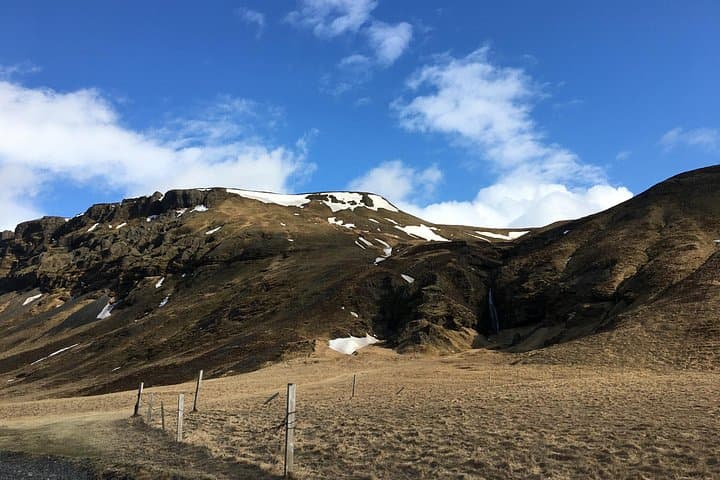
A wind off the North Atlantic cuts clean across the coach as it leaves Reykjavik, softening the city’s edges into rolling farmland and then into the black-boned coast of Snæfellsnes. Travelers step onto pebbled beaches where surf hammers basalt and cliffs throw seabirds like white flags into the air. The glacier-capped Snæfellsjökull volcano watches from inland, an old, slow presence shading the peninsula’s volcanic ridges and lava deserts.
Verified experiences and guided adventures in the surrounding area.
Operated by Mercury Grail · Grundarfjörður, West Iceland
A wind off the North Atlantic cuts clean across the coach as it leaves Reykjavik, softening the city’s edges into rolling farmland and then into the black-boned coast of Snæfellsnes. Travelers step onto pebbled beaches where surf hammers basalt and cliffs throw seabirds like white flags into the air. The glacier-capped Snæfellsjökull volcano watches from inland, an old, slow presence shading the peninsula’s volcanic ridges and lava deserts.
This landscape carries layers of meaning: Norse sagas record settlement and sea routes here, and 19th-century readers know Snæfellsjökull as the fictional entrance to the earth in Jules Verne’s Journey to the Center of the Earth. Geology is visible at every turn—pillow lavas and columnar basalt, coastal erosion that sculpts sea stacks, and black sand beaches like Djúpalónssandur where visitors test century-old lifting stones used by fishermen.
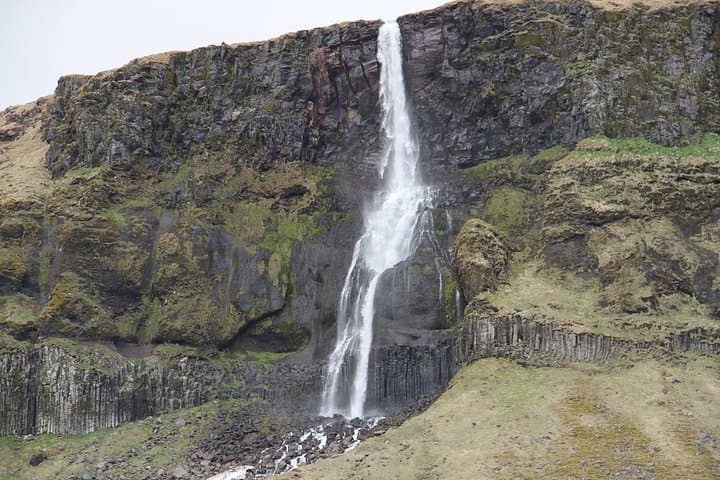
Culturally, small fishing villages—Borgarnes, Grundarfjörður—still orient life around the sea; you’ll stop for soup and local stories in traditional houses. Photographers favor Kirkjufell and its falls for symmetry and changing light.
Practically, expect a long day (9–12 hours) with several short, low-difficulty walks rather than sustained climbs. Paths range from paved viewpoints to uneven volcanic sands; waterproof layers and sturdy footwear matter more than peak fitness. The tour is a private, accessible option with hotel pickup and operates in varied weather—dress for rain and wind, keep to marked trails to protect fragile moss and bird colonies, and bring a charged camera: the peninsula rewards slow observation.
This is a full-day tour (about 9–12 hours) that typically includes Djúpalónssandur beach, dramatic coastal cliffs, stops in Borgarnes, a break at a traditional house for soup, and photo stops at Kirkjufell and nearby waterfalls.
Yes—walks are short and mostly low difficulty; the tour offers hotel pickup and accessible transport, but participants should still be able to step on and off the coach and walk short uneven sections.
Dress in layers with a waterproof outer shell, wear sturdy shoes for uneven terrain, bring water, snacks, and a charged camera; wind and rain are common year-round.
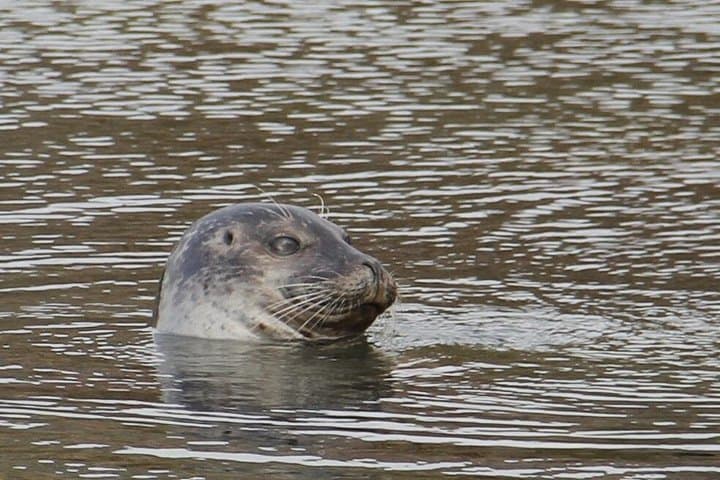
Seabird colonies are visible on cliffs—puffins are seasonal (mainly late spring to summer); seals are seen occasionally on rocky shores but sightings are not guaranteed.
Mercury Grail operates guided outdoor trips and adventures with an emphasis on safety, stewardship, and memorable experiences.

A wind off the North Atlantic cuts clean across the coach as it leaves Reykjavik, softening the city’s edges into rolling farmland and then into the black-boned coast of Snæfellsnes. Travelers step onto pebbled beaches where surf hammers basalt and cliffs throw seabirds like white flags into the air. The glacier-capped Snæfellsjökull volcano watches from inland, an old, slow presence shading the peninsula’s volcanic ridges and lava deserts.
A wind off the North Atlantic cuts clean across the coach as it leaves Reykjavik, softening the city’s edges into rolling farmland and then into the black-boned coast of Snæfellsnes. Travelers step onto pebbled beaches where surf hammers basalt and cliffs throw seabirds like white flags into the air. The glacier-capped Snæfellsjökull volcano watches from inland, an old, slow presence shading the peninsula’s volcanic ridges and lava deserts.
This landscape carries layers of meaning: Norse sagas record settlement and sea routes here, and 19th-century readers know Snæfellsjökull as the fictional entrance to the earth in Jules Verne’s Journey to the Center of the Earth. Geology is visible at every turn—pillow lavas and columnar basalt, coastal erosion that sculpts sea stacks, and black sand beaches like Djúpalónssandur where visitors test century-old lifting stones used by fishermen.
Culturally, small fishing villages—Borgarnes, Grundarfjörður—still orient life around the sea; you’ll stop for soup and local stories in traditional houses. Photographers favor Kirkjufell and its falls for symmetry and changing light.
Practically, expect a long day (9–12 hours) with several short, low-difficulty walks rather than sustained climbs. Paths range from paved viewpoints to uneven volcanic sands; waterproof layers and sturdy footwear matter more than peak fitness. The tour is a private, accessible option with hotel pickup and operates in varied weather—dress for rain and wind, keep to marked trails to protect fragile moss and bird colonies, and bring a charged camera: the peninsula rewards slow observation.
