THE ADVENTURE COLLECTIVE® · Independent discovery and booking for outdoor travel

A half-day guided trip from Seattle to the Cascades that pairs a two-mile rainforest hike with a thunderous 268-foot waterfall. Interpretive guides explain the geology and cultural history while transportation is included.
A half-day guided trip from Seattle to the Cascades that pairs a two-mile rainforest hike with a thunderous 268-foot waterfall. Interpretive guides explain the geology and cultural history while transportation is included.
The bus eases out of Seattle before dawn, the city shrinking behind a line of coffee cups and low conversation. As the highway climbs toward the Cascades, fir and cedar press in close to the road; mist hangs in the valley like a promise. Within an hour you step out at a roadside pullout and the sound arrives first — a long, low thunder that grows into a roar. The waterfall you came for drops 268 feet over basalt cliffs, water chiseling the gorge that the Snoqualmie people have known for generations.
Verified experiences and guided adventures in the surrounding area.
Operated by Explore Oregon Tours · Snoqualmie, Washington
The bus eases out of Seattle before dawn, the city shrinking behind a line of coffee cups and low conversation. As the highway climbs toward the Cascades, fir and cedar press in close to the road; mist hangs in the valley like a promise. Within an hour you step out at a roadside pullout and the sound arrives first — a long, low thunder that grows into a roar. The waterfall you came for drops 268 feet over basalt cliffs, water chiseling the gorge that the Snoqualmie people have known for generations.
This four-hour tour stitches together short roadside history and a two-mile forest walk through a temperate rainforest. Your guide points out Western redcedar and Douglas-fir trunks that have stood for centuries, explains how glacial melt and volcanic basalt made the gorge, and ties the landscape to local Snoqualmie tribal stories and the region's hydropower era. The main spectacle is the fall — the same drop that appears in the opening shots of the TV show Twin Peaks — and a quieter, wooded trail that follows tributary streams where rhododendron and skunk cabbage carpet the understory.
Geologically the valley is a record of ice and lava. Glaciers gouged the basin and left behind a ledge of hard basalt; when rivers found the edge, waterfalls were inevitable. Culturally the area remains important to the Snoqualmie people: the falls have been a site of ceremony and salmon runs long before tourism and power generation.
On the trail expect packed dirt, exposed roots, and a few short stair sections near viewpoints. Total hiking distance is about two miles round-trip with modest elevation changes — enough to get your heart rate up without needing technical gear. The guide-led format makes the walk accessible for a wide range of fitness levels, and transportation from Seattle means you can leave the logistics to the operator.
Practical notes: arrive in layers; mornings in the valley carry moisture and a chill through midsummer. Trail surfaces are often damp so trail shoes with good tread are recommended. Bring a water bottle, a rain shell, and a camera with a wide lens for the falls viewpoint. If you want quieter photos, aim for earlier departures — afternoons are busier with local visitors.
This is a morning that balances spectacle and context: dramatic water, old trees, and grounded interpretation that explains why the place looks the way it does and why it matters. It’s an approachable slice of Cascade wilderness that fits into a half-day from the city — perfect for photographers, families, and anyone wanting a fast, interpretive escape into the forest.
The guided walk covers about two miles round-trip and is designed to be completed within the four-hour tour window including transit time.
The group meets at Zeitgeist Coffee, 171 S Jackson St, Seattle, and returns to the same spot at the tour’s end.
Yes — round-trip transportation from the Seattle meeting point is included with your booking.
The tour notes stroller accessibility for very small children at meeting points, but parts of the trail have roots and steps; a carrier is recommended for rougher sections.
Service animals are allowed, but other pets typically are not permitted on the guided vehicle and may not be appropriate on the trail.
Salmon runs occur seasonally, but viewing depends on timing and water levels; fall months offer the best chance for observing returning fish.
Explore Oregon Tours operates guided outdoor trips and adventures with an emphasis on safety, stewardship, and memorable experiences.
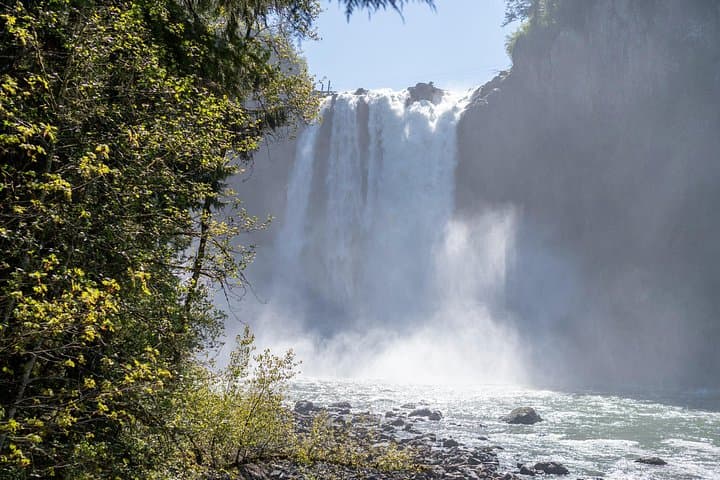

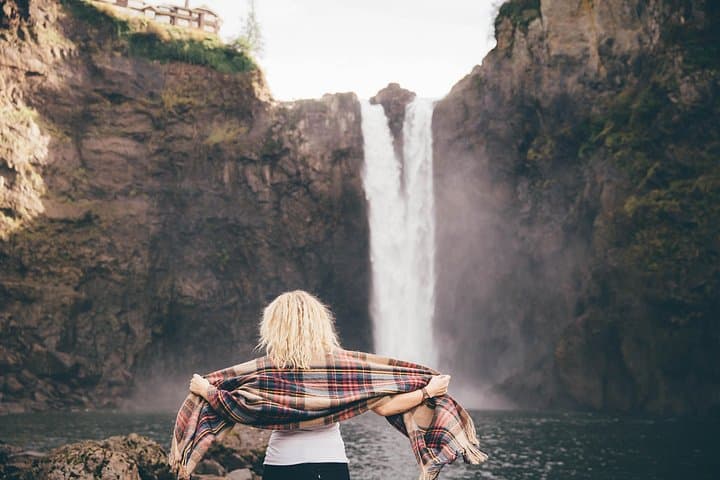

The bus eases out of Seattle before dawn, the city shrinking behind a line of coffee cups and low conversation. As the highway climbs toward the Cascades, fir and cedar press in close to the road; mist hangs in the valley like a promise. Within an hour you step out at a roadside pullout and the sound arrives first — a long, low thunder that grows into a roar. The waterfall you came for drops 268 feet over basalt cliffs, water chiseling the gorge that the Snoqualmie people have known for generations.
The bus eases out of Seattle before dawn, the city shrinking behind a line of coffee cups and low conversation. As the highway climbs toward the Cascades, fir and cedar press in close to the road; mist hangs in the valley like a promise. Within an hour you step out at a roadside pullout and the sound arrives first — a long, low thunder that grows into a roar. The waterfall you came for drops 268 feet over basalt cliffs, water chiseling the gorge that the Snoqualmie people have known for generations.
This four-hour tour stitches together short roadside history and a two-mile forest walk through a temperate rainforest. Your guide points out Western redcedar and Douglas-fir trunks that have stood for centuries, explains how glacial melt and volcanic basalt made the gorge, and ties the landscape to local Snoqualmie tribal stories and the region's hydropower era. The main spectacle is the fall — the same drop that appears in the opening shots of the TV show Twin Peaks — and a quieter, wooded trail that follows tributary streams where rhododendron and skunk cabbage carpet the understory.
Geologically the valley is a record of ice and lava. Glaciers gouged the basin and left behind a ledge of hard basalt; when rivers found the edge, waterfalls were inevitable. Culturally the area remains important to the Snoqualmie people: the falls have been a site of ceremony and salmon runs long before tourism and power generation.
On the trail expect packed dirt, exposed roots, and a few short stair sections near viewpoints. Total hiking distance is about two miles round-trip with modest elevation changes — enough to get your heart rate up without needing technical gear. The guide-led format makes the walk accessible for a wide range of fitness levels, and transportation from Seattle means you can leave the logistics to the operator.
Practical notes: arrive in layers; mornings in the valley carry moisture and a chill through midsummer. Trail surfaces are often damp so trail shoes with good tread are recommended. Bring a water bottle, a rain shell, and a camera with a wide lens for the falls viewpoint. If you want quieter photos, aim for earlier departures — afternoons are busier with local visitors.
This is a morning that balances spectacle and context: dramatic water, old trees, and grounded interpretation that explains why the place looks the way it does and why it matters. It’s an approachable slice of Cascade wilderness that fits into a half-day from the city — perfect for photographers, families, and anyone wanting a fast, interpretive escape into the forest.