THE ADVENTURE COLLECTIVE® · Independent discovery and booking for outdoor travel

Combine the thunder of a 268-foot cascade with the creak and polish of restored railcars on a private 3-hour tour. Visit the Northwest Railway Museum then take in sweeping views and short forest walks at Snoqualmie Falls.
Combine the thunder of a 268-foot cascade with the creak and polish of restored railcars on a private 3-hour tour. Visit the Northwest Railway Museum then take in sweeping views and short forest walks at Snoqualmie Falls.
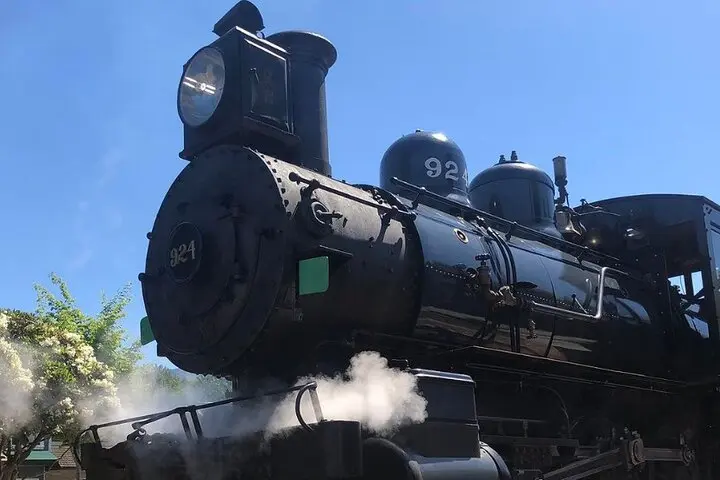
The morning air at Snoqualmie arrives cool and immediate: spray from the 268-foot fall threads sunlight into silver ribbons while a vintage locomotive’s whistle seems to answer from the valley below. On this three-hour private tour visitors move between two very different kinds of motion — the steady, engineered momentum of rail history at the Northwest Railway Museum and the raw, vertical force of Snoqualmie Falls.
Verified experiences and guided adventures in the surrounding area.
Operated by Hola Seattle · Snoqualmie, Washington
The morning air at Snoqualmie arrives cool and immediate: spray from the 268-foot fall threads sunlight into silver ribbons while a vintage locomotive’s whistle seems to answer from the valley below. On this three-hour private tour visitors move between two very different kinds of motion — the steady, engineered momentum of rail history at the Northwest Railway Museum and the raw, vertical force of Snoqualmie Falls.
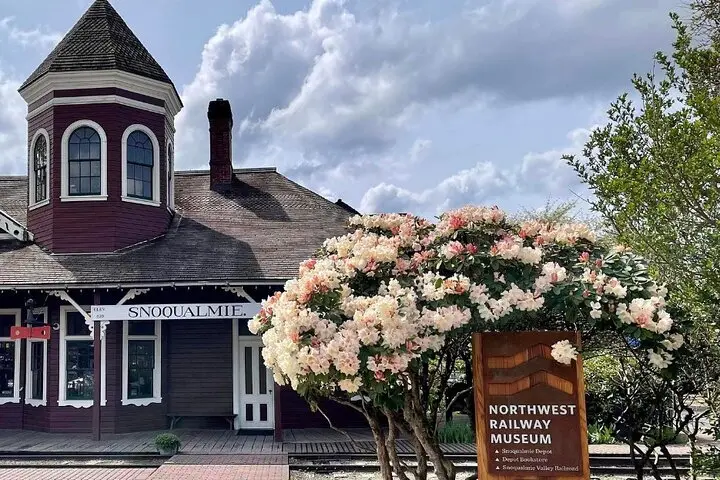
Snoqualmie Falls sits on an ancient glacially carved ledge where Cascade geology funnels the Snoqualmie River into a concentrated drop. The falls are culturally sacred to the Snoqualmie Tribe and have powered the region’s early hydroelectric efforts since the early 20th century. Nearby, the museum preserves the era when timber and rails shaped settlement patterns across the valley: restored cars, a roundhouse, and interpretive exhibits that trace the railroad’s role in regional commerce and daily life.
Visitors typically spend 20–40 minutes at the museum exploring cars and the restoration shop, then move to the falls for panoramic viewing from the upper observation deck and a short walk on the 0.4-mile Lower Trail.
Practical notes: expect mist on the deck, variable footing on short forest trails, and easy access for most fitness levels. Morning or late afternoon light is best for photos and smaller crowds; allow time for brief stops at lookout points and the museum’s hands-on displays. Pack a light waterproof layer, solid walking shoes, and a small daypack — the tour balances cultural storytelling with close-up encounters of Cascades geology and rail heritage.
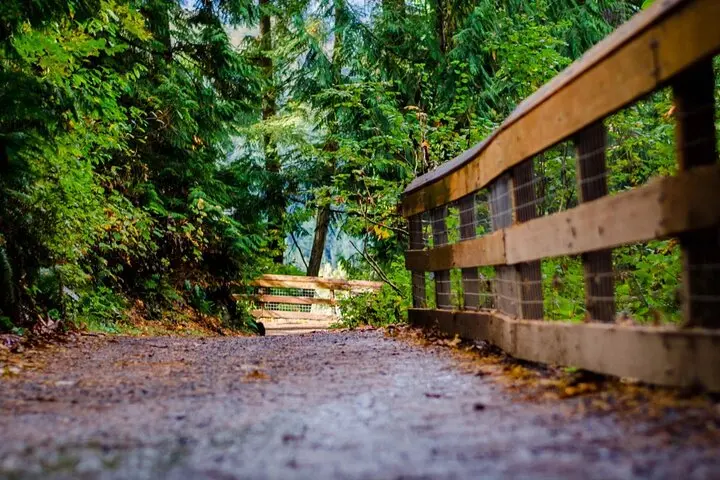
The Lower Falls trail is about 0.4 miles round-trip with some roots and moderate grade; the upper observation areas involve minimal walking from parking or bus drop-off.
Upper observation areas and much of the museum grounds are accessible, but some trails and vintage rail cars may have steps—check with your operator for specific access needs.
Many restored cars are open to visitors, but access varies by exhibit and restoration schedule; the museum guide will confirm which cars are available during your visit.
A waterproof cover, a wide-angle lens for the falls, and a telephoto or zoom for details at the museum will cover most photo opportunities.
Hola Seattle operates guided outdoor trips and adventures with an emphasis on safety, stewardship, and memorable experiences.
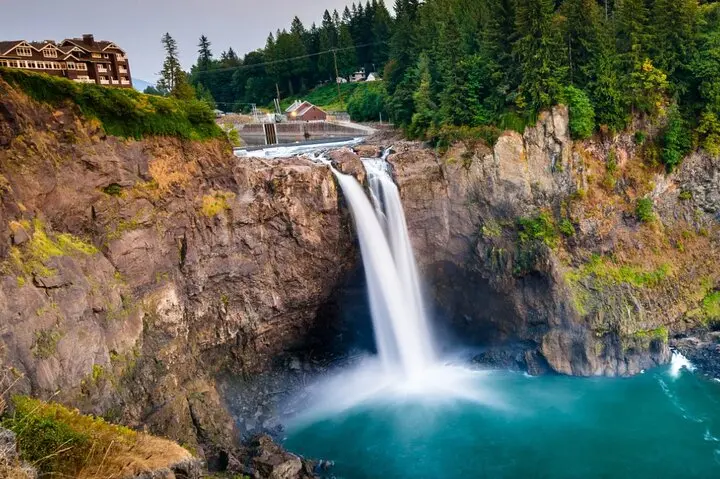
The morning air at Snoqualmie arrives cool and immediate: spray from the 268-foot fall threads sunlight into silver ribbons while a vintage locomotive’s whistle seems to answer from the valley below. On this three-hour private tour visitors move between two very different kinds of motion — the steady, engineered momentum of rail history at the Northwest Railway Museum and the raw, vertical force of Snoqualmie Falls.
The morning air at Snoqualmie arrives cool and immediate: spray from the 268-foot fall threads sunlight into silver ribbons while a vintage locomotive’s whistle seems to answer from the valley below. On this three-hour private tour visitors move between two very different kinds of motion — the steady, engineered momentum of rail history at the Northwest Railway Museum and the raw, vertical force of Snoqualmie Falls.
Snoqualmie Falls sits on an ancient glacially carved ledge where Cascade geology funnels the Snoqualmie River into a concentrated drop. The falls are culturally sacred to the Snoqualmie Tribe and have powered the region’s early hydroelectric efforts since the early 20th century. Nearby, the museum preserves the era when timber and rails shaped settlement patterns across the valley: restored cars, a roundhouse, and interpretive exhibits that trace the railroad’s role in regional commerce and daily life.
Visitors typically spend 20–40 minutes at the museum exploring cars and the restoration shop, then move to the falls for panoramic viewing from the upper observation deck and a short walk on the 0.4-mile Lower Trail.
Practical notes: expect mist on the deck, variable footing on short forest trails, and easy access for most fitness levels. Morning or late afternoon light is best for photos and smaller crowds; allow time for brief stops at lookout points and the museum’s hands-on displays. Pack a light waterproof layer, solid walking shoes, and a small daypack — the tour balances cultural storytelling with close-up encounters of Cascades geology and rail heritage.