THE ADVENTURE COLLECTIVE® · Independent discovery and booking for outdoor travel

Float over gardens of coral and swim beside sculpted walls on a full-day Cozumel snorkeling trip that visits El Cielo, Palancar and Colombia reefs. This guide explains what to expect—logistics, local context and how to prepare for a day on the Caribbean.
Float over gardens of coral and swim beside sculpted walls on a full-day Cozumel snorkeling trip that visits El Cielo, Palancar and Colombia reefs. This guide explains what to expect—logistics, local context and how to prepare for a day on the Caribbean.
The morning opens with salt and diesel—hotel vans hum toward Playa del Carmen, a ribbon of coastline that funnels visitors onto the ferry to Cozumel. By the time the island silhouette rises from the turquoise, the hassle of travel fades. A compact crew briefs the group, hands out masks and fins, and the boat eases into water that seems to glow from below: reefs mapped here by currents and centuries, not by tourist brochures.
Verified experiences and guided adventures in the surrounding area.
Operated by Cancun and Chichen Itza Experiences · San Miguel de Cozumel, Quintana Roo
The morning opens with salt and diesel—hotel vans hum toward Playa del Carmen, a ribbon of coastline that funnels visitors onto the ferry to Cozumel. By the time the island silhouette rises from the turquoise, the hassle of travel fades. A compact crew briefs the group, hands out masks and fins, and the boat eases into water that seems to glow from below: reefs mapped here by currents and centuries, not by tourist brochures.
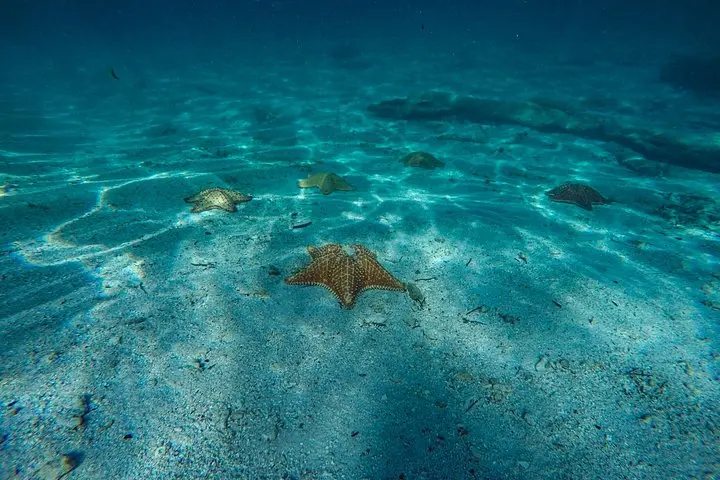
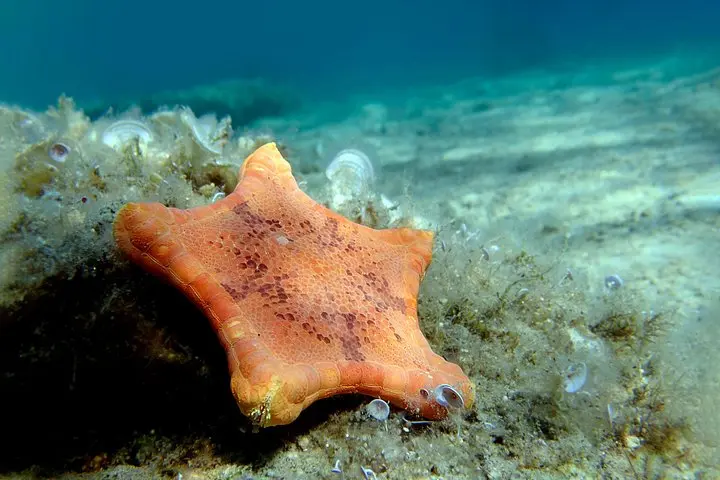
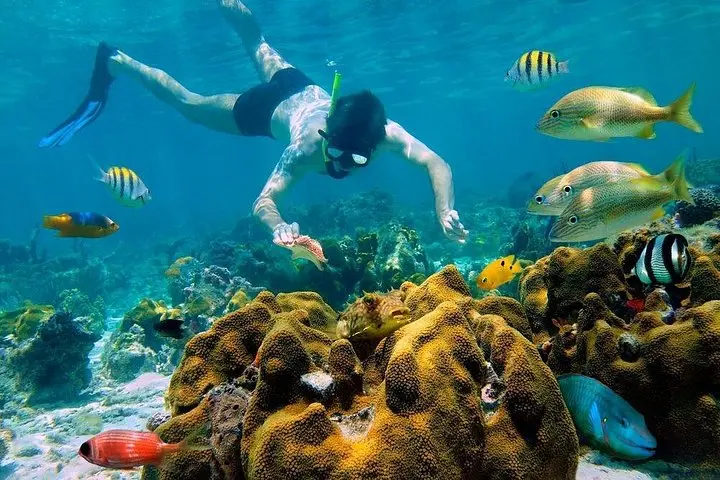
Cozumel is more than a postcard. Its reef system sits on the outer edge of the Mesoamerican Barrier Reef, the second-largest barrier reef in the world, where limestone platforms and ancient coral growth have created vertical walls and shallow gardens. El Cielo—the starfish-strewn sandbank—feels like a shallow ocean meadow where juvenile fish dart and queen conchs inspect your shadow. Palancar and Colombia reefs, deeper and more sculpted, present coral pillars, swim-throughs and a color wheel of parrotfish, angelfish and rays.
The island’s modern economy centers on tourism and fishing, but Cozumeleños retain a layered cultural history: Maya navigators first charted these waters, then Spanish trade and Caribbean routes shaped the ports. Today small restaurants in San Miguel serve lime-squeezed ceviche and cochinita while vendors carve copal souvenirs just off the main square. Guides often translate that history in quick vignettes between swims, tying reef health to local livelihoods.
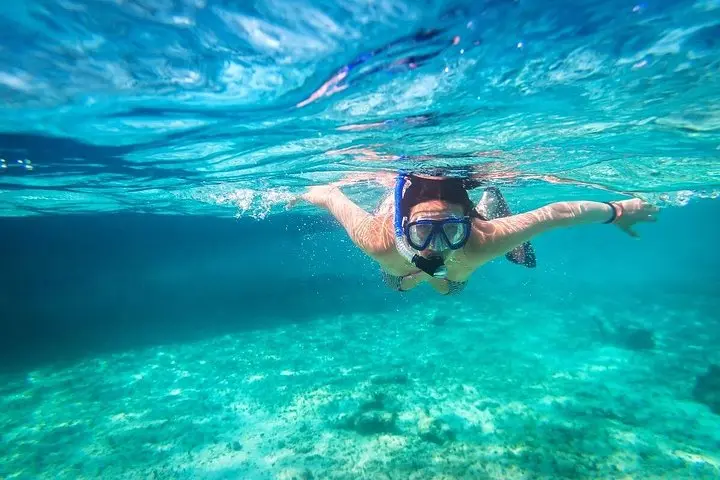
Practical reality frames the beauty. This is a full-day, roughly nine-hour excursion that includes round-trip ferry, boat transit between three snorkeling sites, a swim at El Cielito beach and a plated lunch. Expect multiple short swims from the boat; currents can be playful rather than violent, and guides group snorkelers by ability. Equipment is provided, but bringing a personal mask will speed comfort and reduce fogging.
Plan for sun protection and hydration: UV on flat water is relentless. Wear reef-safe sunscreen and a rash guard; bring a dry bag for your phone or camera. If you’re traveling from Playa del Carmen, allow time for ferry lines—arrivals and returns cluster mid-day. For swimmers with moderate fitness this is accessible; for anyone nervous in open water, notify the guide—boats carry life jackets and staff monitor groups.
By late afternoon, walking San Miguel’s car-lined streets after lunch offers a low-key contrast: cold beer, tortilla smoke and the small commerce of an island that depends on the sea it invites you to enter. The reefs will still be there next season, but the best clarity and light come on calm, sunny mornings—so show up early, and let the Caribbean push you into its pace.
Yes—basic snorkel, mask and fins are provided, though many travelers bring a personal mask for comfort.
The tour is about nine hours and typically includes hotel pickup, ferry, boat trips to three reefs, snorkel equipment, breakfast box, lunch and a swim at El Cielito beach.
Non-swimmers can join but should inform the operator; life jackets are available and guides group people by ability.
Infants must sit on an adult’s lap; pregnant travelers or those with serious heart or spinal conditions are advised not to participate.
Tipping is discretionary but common—5–15% for attentive guides and crew is typical.
Most bookings include pickup to Playa del Carmen where you board the ferry; some travelers stay in Cozumel and meet at the pier—confirm your pickup point when booking.
Cancun and Chichen Itza Experiences operates guided outdoor trips and adventures with an emphasis on safety, stewardship, and memorable experiences.
The morning opens with salt and diesel—hotel vans hum toward Playa del Carmen, a ribbon of coastline that funnels visitors onto the ferry to Cozumel. By the time the island silhouette rises from the turquoise, the hassle of travel fades. A compact crew briefs the group, hands out masks and fins, and the boat eases into water that seems to glow from below: reefs mapped here by currents and centuries, not by tourist brochures.
The morning opens with salt and diesel—hotel vans hum toward Playa del Carmen, a ribbon of coastline that funnels visitors onto the ferry to Cozumel. By the time the island silhouette rises from the turquoise, the hassle of travel fades. A compact crew briefs the group, hands out masks and fins, and the boat eases into water that seems to glow from below: reefs mapped here by currents and centuries, not by tourist brochures.
Cozumel is more than a postcard. Its reef system sits on the outer edge of the Mesoamerican Barrier Reef, the second-largest barrier reef in the world, where limestone platforms and ancient coral growth have created vertical walls and shallow gardens. El Cielo—the starfish-strewn sandbank—feels like a shallow ocean meadow where juvenile fish dart and queen conchs inspect your shadow. Palancar and Colombia reefs, deeper and more sculpted, present coral pillars, swim-throughs and a color wheel of parrotfish, angelfish and rays.
The island’s modern economy centers on tourism and fishing, but Cozumeleños retain a layered cultural history: Maya navigators first charted these waters, then Spanish trade and Caribbean routes shaped the ports. Today small restaurants in San Miguel serve lime-squeezed ceviche and cochinita while vendors carve copal souvenirs just off the main square. Guides often translate that history in quick vignettes between swims, tying reef health to local livelihoods.
Practical reality frames the beauty. This is a full-day, roughly nine-hour excursion that includes round-trip ferry, boat transit between three snorkeling sites, a swim at El Cielito beach and a plated lunch. Expect multiple short swims from the boat; currents can be playful rather than violent, and guides group snorkelers by ability. Equipment is provided, but bringing a personal mask will speed comfort and reduce fogging.
Plan for sun protection and hydration: UV on flat water is relentless. Wear reef-safe sunscreen and a rash guard; bring a dry bag for your phone or camera. If you’re traveling from Playa del Carmen, allow time for ferry lines—arrivals and returns cluster mid-day. For swimmers with moderate fitness this is accessible; for anyone nervous in open water, notify the guide—boats carry life jackets and staff monitor groups.
By late afternoon, walking San Miguel’s car-lined streets after lunch offers a low-key contrast: cold beer, tortilla smoke and the small commerce of an island that depends on the sea it invites you to enter. The reefs will still be there next season, but the best clarity and light come on calm, sunny mornings—so show up early, and let the Caribbean push you into its pace.