THE ADVENTURE COLLECTIVE® · Independent discovery and booking for outdoor travel

Board a traditional dhoani for a three-hour snorkel around Huraa’s reefs, where turtles, rays and colorful reef fish await. This accessible half-day trip includes equipment and short boat transfers—ideal for visitors based in Malé.
Board a traditional dhoani for a three-hour snorkel around Huraa’s reefs, where turtles, rays and colorful reef fish await. This accessible half-day trip includes equipment and short boat transfers—ideal for visitors based in Malé.
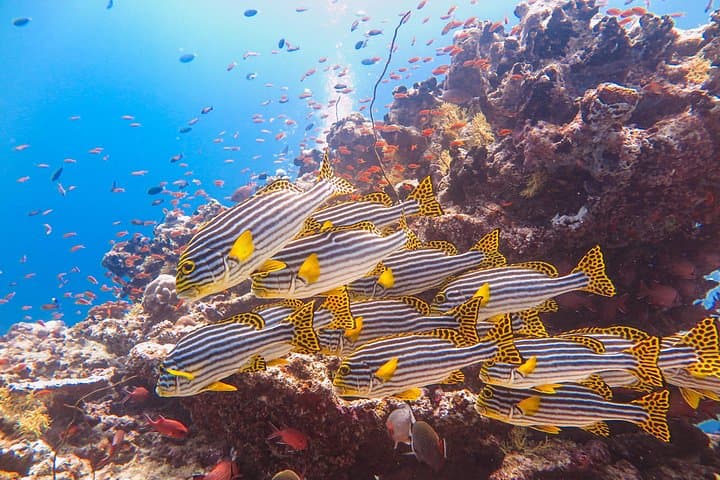
The dhoani eases away from Huraa’s wooden jetty, sunlight slicing the lagoon into glittering lanes as the boat hums toward the first reef. Fifteen to twenty minutes of open water and you’re peering over a lens of blue—coral bommies rise like underwater cliffs, schools of parrotfish fan through branching coral, and the current teases you toward a graceful ray.
Verified experiences and guided adventures in the surrounding area.
Operated by Corallium Tours · Huraa, Kaafu Atoll
The dhoani eases away from Huraa’s wooden jetty, sunlight slicing the lagoon into glittering lanes as the boat hums toward the first reef. Fifteen to twenty minutes of open water and you’re peering over a lens of blue—coral bommies rise like underwater cliffs, schools of parrotfish fan through branching coral, and the current teases you toward a graceful ray.
This stretch of North Malé Atoll has long supported Maldivian fishing communities; the same dhoni designs that carried skippered nets now ferry snorkelers to living reefs. Geologically, the atoll is a coral rim around a subsiding volcanic base, which creates the steep drop-offs and sheltered lagoons that make for clear snorkel sites and concentrated marine life.
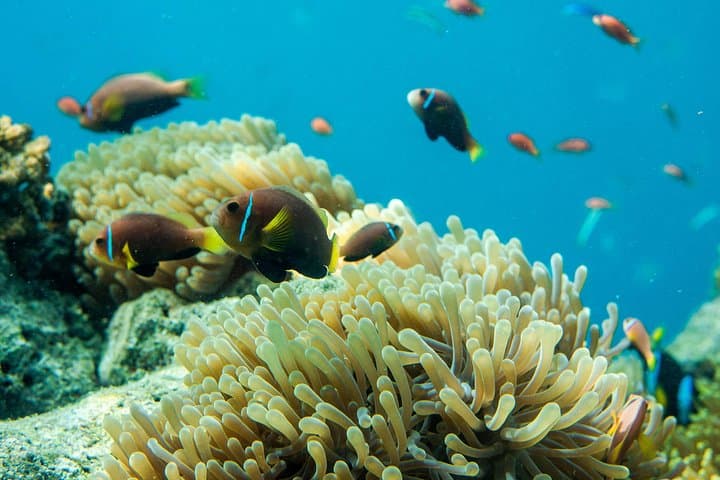
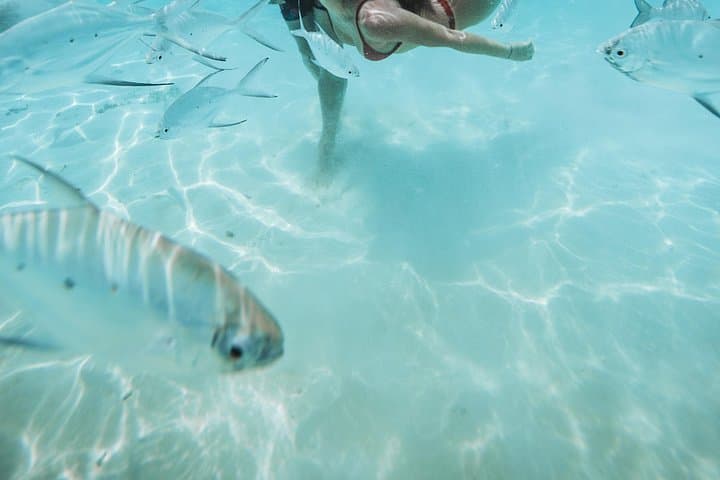
On the surface you’ll notice local rhythms: fishermen mending nets on small islands, coconut palms edging low dunes, and Huraa’s compact village life a short boat ride away. Below, expect to find green turtles grazing, reef rays cruising sandy channels, and dense gardens of hard and soft corals.
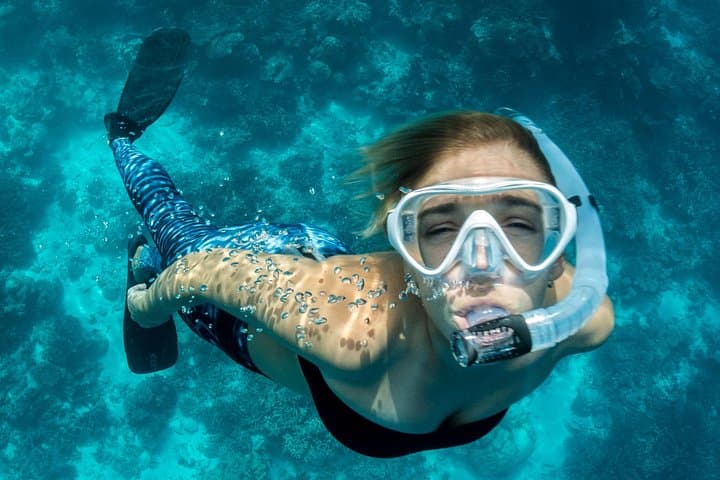
Practical guidance: this half-day activity runs about three hours—15–20 minutes transit each way and two reef stops. Operators typically provide mask, fins and snorkel; bring a snug mask, reef-safe sunscreen, and a water bottle. Enter and exit from the shallow side of the reef, swim slowly to avoid stressing wildlife, and follow the guide’s briefing on currents and hand signals. If you’re prone to seasickness, take prevention before departure. With basic swimming comfort and respect for the reef, this is an accessible and memorable way to meet the Maldives beneath the surface.
Yes—operators list the activity as physically easy; basic swimming ability and comfort with putting your face in the water are all that’s required.
Yes—snorkel, mask and fins are typically supplied, but many guests bring a personal mask for fit and hygiene.
Common sightings include green turtles, reef rays, parrotfish, butterflyfish and healthy corals; sightings of larger animals vary by season and luck.
Full refund if cancelled at least 24 hours before departure; trips may be cancelled for bad weather or insufficient travelers.
Corallium Tours operates guided outdoor trips and adventures with an emphasis on safety, stewardship, and memorable experiences.
The dhoani eases away from Huraa’s wooden jetty, sunlight slicing the lagoon into glittering lanes as the boat hums toward the first reef. Fifteen to twenty minutes of open water and you’re peering over a lens of blue—coral bommies rise like underwater cliffs, schools of parrotfish fan through branching coral, and the current teases you toward a graceful ray.
The dhoani eases away from Huraa’s wooden jetty, sunlight slicing the lagoon into glittering lanes as the boat hums toward the first reef. Fifteen to twenty minutes of open water and you’re peering over a lens of blue—coral bommies rise like underwater cliffs, schools of parrotfish fan through branching coral, and the current teases you toward a graceful ray.
This stretch of North Malé Atoll has long supported Maldivian fishing communities; the same dhoni designs that carried skippered nets now ferry snorkelers to living reefs. Geologically, the atoll is a coral rim around a subsiding volcanic base, which creates the steep drop-offs and sheltered lagoons that make for clear snorkel sites and concentrated marine life.
On the surface you’ll notice local rhythms: fishermen mending nets on small islands, coconut palms edging low dunes, and Huraa’s compact village life a short boat ride away. Below, expect to find green turtles grazing, reef rays cruising sandy channels, and dense gardens of hard and soft corals.
Practical guidance: this half-day activity runs about three hours—15–20 minutes transit each way and two reef stops. Operators typically provide mask, fins and snorkel; bring a snug mask, reef-safe sunscreen, and a water bottle. Enter and exit from the shallow side of the reef, swim slowly to avoid stressing wildlife, and follow the guide’s briefing on currents and hand signals. If you’re prone to seasickness, take prevention before departure. With basic swimming comfort and respect for the reef, this is an accessible and memorable way to meet the Maldives beneath the surface.