THE ADVENTURE COLLECTIVE® · Independent discovery and booking for outdoor travel

Get into the Sea of Cortez at Pelican Rock—one of Cabo’s best snorkeling sites—where clear water, colorful reef life, and a guide-led small-boat itinerary make for an efficient half-day marine adventure. Read on for what to expect, when to go, and how to prep.
Get into the Sea of Cortez at Pelican Rock—one of Cabo’s best snorkeling sites—where clear water, colorful reef life, and a guide-led small-boat itinerary make for an efficient half-day marine adventure. Read on for what to expect, when to go, and how to prep.
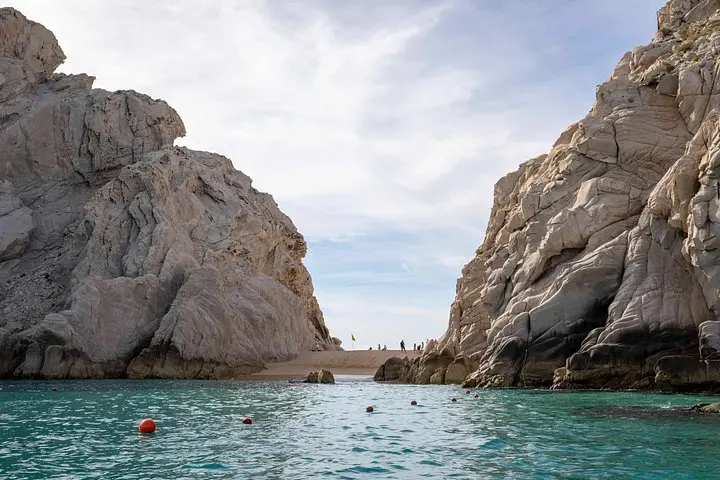
You step off the skiff with the wind cutting the salt-slick air and the cliffs of Land’s End looming like slow-moving sculptures. The boat nudges close to Pelican Rock, a jagged outcrop that juts from the Sea of Cortez where currents trade places with the Pacific. A guide checks your mask, gestures toward a familiar channel, and the water—clear and impatient—invites you in.
Verified experiences and guided adventures in the surrounding area.
Operated by CalypsoTrip · Cabo San Lucas, Baja California Sur
You step off the skiff with the wind cutting the salt-slick air and the cliffs of Land’s End looming like slow-moving sculptures. The boat nudges close to Pelican Rock, a jagged outcrop that juts from the Sea of Cortez where currents trade places with the Pacific. A guide checks your mask, gestures toward a familiar channel, and the water—clear and impatient—invites you in.
This is snorkeling at the natural junction of two oceans, where granite spires were carved by tectonic patience and wave authority. The rocks here are not just geology; they are place-markers in the nautical history of Baja California Sur. For centuries, mariners navigated these shoals and natural arches; today the same currents bring plankton, schooling fish, and the predators that follow them.
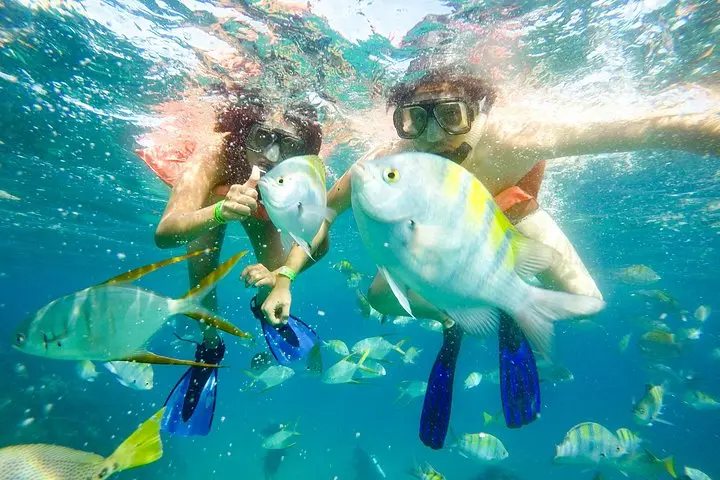
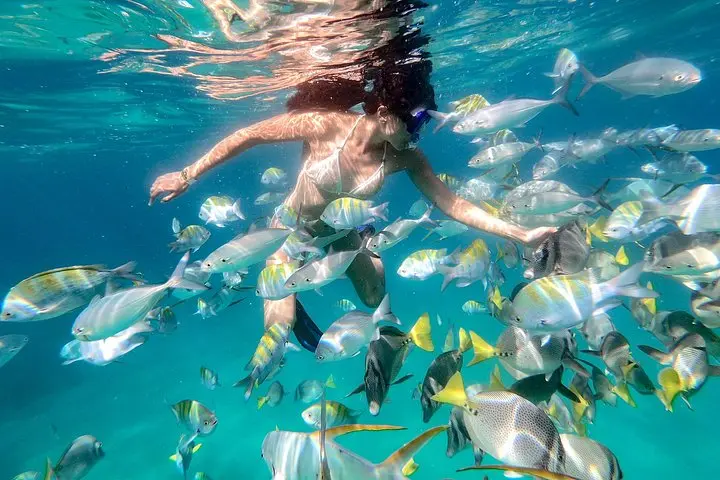
Pelican Rock’s reef is compact but alive: schools of sergeant majors and angelfish wheel through sea fans; stingrays flatten into sandy patches; shy seahorses hug holdfasts in the shallows. Guides trained in local ecosystems point out species and reinforce a simple rule—observe, don’t touch. After an hour in the water the boat pulls up to a nearby strip of sand for beach time, a sandwich and a chance to stretch on sun-warmed rocks while the guides broker a stroll through Cabo San Lucas’ lively flea market back on shore.
Cultural notes matter here. Cabo’s fishing traditions and tourism grew out of the same sea—the bounty and the beauty—so local operators balance show-and-tell with stewardship. Expect bilingual guides, life jackets, and a small-group rhythm that keeps encounters intimate and less intrusive to the reef.
Practicalities: the trip is five hours including hotel pickup, a guided snorkel at Pelican Rock, and beach time. Bring reef-safe sunscreen, a snug mask if you have one (though equipment is included), and a light wind layer for the return. If you’re prone to seasickness, take precautions before boarding; the open channel can be lively.
For photographers, the boat frame and the arch pick up late-afternoon light well; underwater, mid-morning offers the clearest visibility. Respect the wildlife and the guides—flash and chasing disturb animals and damages coral.
This is an accessible marine outing for moderately fit travelers who want an efficient, informative dive into Baja’s underwater world: short swims, big impressions, a few hundred feet of shoreline that reveal something larger about how geology, currents, and people shape a place at the edge of two seas.
No—guides brief snorkel technique and stay close; basic swimming comfort is required.
Yes—snorkeling equipment and life jackets are included, though many travelers bring personal masks for fit.
Yes—cruise passengers must provide ship name and dock times when booking and arrive back for re-boarding on time.
The water can be choppy; take motion-sickness medicine before boarding and choose a central seat on the boat.
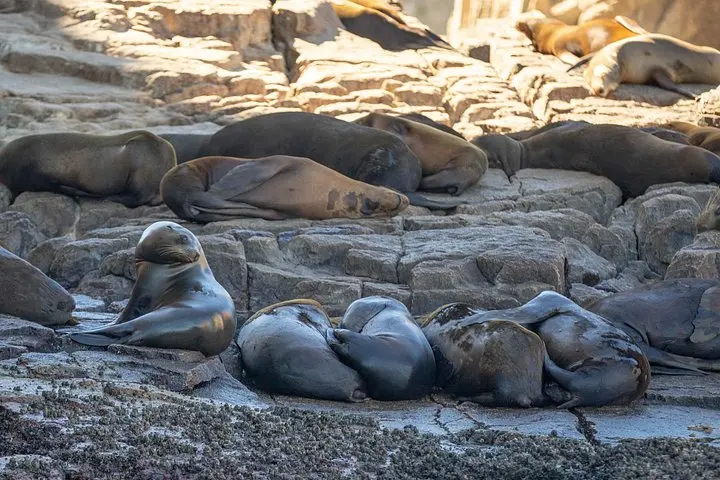
Expect colorful reef fish, stingrays, and occasionally sea lions or manta rays; sightings depend on conditions.
Full refunds are available if you cancel at least 24 hours before departure; operators may cancel for bad weather.
CalypsoTrip operates guided outdoor trips and adventures with an emphasis on safety, stewardship, and memorable experiences.
You step off the skiff with the wind cutting the salt-slick air and the cliffs of Land’s End looming like slow-moving sculptures. The boat nudges close to Pelican Rock, a jagged outcrop that juts from the Sea of Cortez where currents trade places with the Pacific. A guide checks your mask, gestures toward a familiar channel, and the water—clear and impatient—invites you in.
You step off the skiff with the wind cutting the salt-slick air and the cliffs of Land’s End looming like slow-moving sculptures. The boat nudges close to Pelican Rock, a jagged outcrop that juts from the Sea of Cortez where currents trade places with the Pacific. A guide checks your mask, gestures toward a familiar channel, and the water—clear and impatient—invites you in.
This is snorkeling at the natural junction of two oceans, where granite spires were carved by tectonic patience and wave authority. The rocks here are not just geology; they are place-markers in the nautical history of Baja California Sur. For centuries, mariners navigated these shoals and natural arches; today the same currents bring plankton, schooling fish, and the predators that follow them.
Pelican Rock’s reef is compact but alive: schools of sergeant majors and angelfish wheel through sea fans; stingrays flatten into sandy patches; shy seahorses hug holdfasts in the shallows. Guides trained in local ecosystems point out species and reinforce a simple rule—observe, don’t touch. After an hour in the water the boat pulls up to a nearby strip of sand for beach time, a sandwich and a chance to stretch on sun-warmed rocks while the guides broker a stroll through Cabo San Lucas’ lively flea market back on shore.
Cultural notes matter here. Cabo’s fishing traditions and tourism grew out of the same sea—the bounty and the beauty—so local operators balance show-and-tell with stewardship. Expect bilingual guides, life jackets, and a small-group rhythm that keeps encounters intimate and less intrusive to the reef.
Practicalities: the trip is five hours including hotel pickup, a guided snorkel at Pelican Rock, and beach time. Bring reef-safe sunscreen, a snug mask if you have one (though equipment is included), and a light wind layer for the return. If you’re prone to seasickness, take precautions before boarding; the open channel can be lively.
For photographers, the boat frame and the arch pick up late-afternoon light well; underwater, mid-morning offers the clearest visibility. Respect the wildlife and the guides—flash and chasing disturb animals and damages coral.
This is an accessible marine outing for moderately fit travelers who want an efficient, informative dive into Baja’s underwater world: short swims, big impressions, a few hundred feet of shoreline that reveal something larger about how geology, currents, and people shape a place at the edge of two seas.