THE ADVENTURE COLLECTIVE® · Independent discovery and booking for outdoor travel

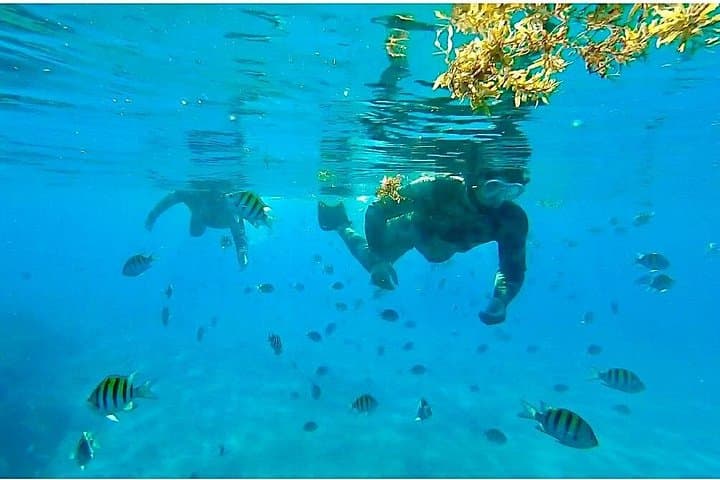
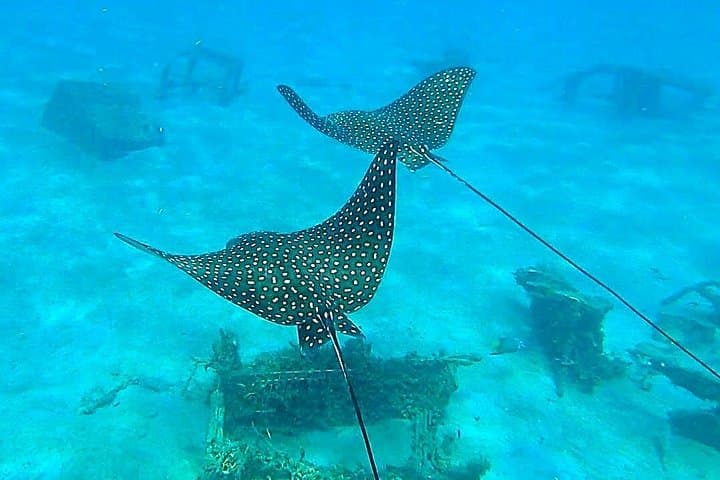
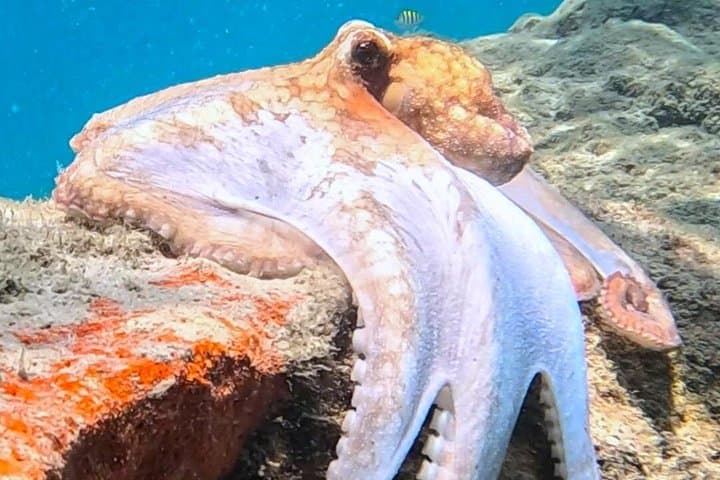
Explore the Blue Heron Bridge with a local guide on a 2.5-hour snorkel tour through shallow reefs, sand flats and pilings teeming with rays, octopus and tropical fish. The tour includes gear, snacks, towels and video highlights—ideal for beginners and seasoned snorkelers alike.
Explore the Blue Heron Bridge with a local guide on a 2.5-hour snorkel tour through shallow reefs, sand flats and pilings teeming with rays, octopus and tropical fish. The tour includes gear, snacks, towels and video highlights—ideal for beginners and seasoned snorkelers alike.
You slip off the sandy shore and the current tugs politely at your fins—minutes later the ocean opens into a shallow, reef-strewn corridor where fish thread through coral heads and rays glide like living shadows. At Phil Foster Park (the Blue Heron Bridge), the water is short and wide: a snorkeler’s playground where the shore is never far and surprises hide under every ledge.
Verified experiences and guided adventures in the surrounding area.
Operated by UnSeen Snorkeling - Guided Snorkel tour of the Blue Heron Bridge · Riviera Beach, Florida
You slip off the sandy shore and the current tugs politely at your fins—minutes later the ocean opens into a shallow, reef-strewn corridor where fish thread through coral heads and rays glide like living shadows. At Phil Foster Park (the Blue Heron Bridge), the water is short and wide: a snorkeler’s playground where the shore is never far and surprises hide under every ledge.
The site’s popularity grew as local divers and scientists documented unusually high biodiversity in these shallow waters; concrete pilings and limestone outcrops create microhabitats that attract octopus, morays, rays and schools of tropical fish. Geologically, the area sits on a carbonate shelf with patch reefs and sand flats shaped by tidal flows through the Lake Worth Inlet. Culturally, the bridge and park are a community hub—local guides bring decades of knowledge and a conservation ethic to every swim.
Practical guidance: arrive 20–30 minutes early for crowded parking, wear reef-safe sunscreen and a flotation device if you favor relaxed sight-seeing. Guides lead small groups, point out species and brief on low-impact behavior—do not touch or chase animals, and stay shallow when examining coral heads. Tours include quality masks, snorkels, fins, bottled water, snacks, towels and complimentary video clips; wetsuit rentals available.
Expect easy to moderate conditions suitable for beginners with basic swimming ability and seasoned snorkelers alike. Timing your visit around high tide often exposes more crevice life, while early morning swims mean calmer water and fewer boats. This is a short, intense encounter with coastal Florida’s underwater neighborhood—focused, informative and designed to leave minimal trace.
No—tours are designed for beginners; guides offer basic technique tips and flotation devices if needed.
Common sightings include southern stingrays, eagle rays, octopus, moray eels, starfish and diverse reef fish near pilings and coral heads.
Yes but limited—arrive early, carpool, or plan for a short walk if the main lot fills up.
Wetsuits are available to rent for a small fee; most snorkelers use just a swimsuit or neoprene top depending on water temperature.
UnSeen Snorkeling - Guided Snorkel tour of the Blue Heron Bridge operates guided outdoor trips and adventures with an emphasis on safety, stewardship, and memorable experiences.

You slip off the sandy shore and the current tugs politely at your fins—minutes later the ocean opens into a shallow, reef-strewn corridor where fish thread through coral heads and rays glide like living shadows. At Phil Foster Park (the Blue Heron Bridge), the water is short and wide: a snorkeler’s playground where the shore is never far and surprises hide under every ledge.
You slip off the sandy shore and the current tugs politely at your fins—minutes later the ocean opens into a shallow, reef-strewn corridor where fish thread through coral heads and rays glide like living shadows. At Phil Foster Park (the Blue Heron Bridge), the water is short and wide: a snorkeler’s playground where the shore is never far and surprises hide under every ledge.
The site’s popularity grew as local divers and scientists documented unusually high biodiversity in these shallow waters; concrete pilings and limestone outcrops create microhabitats that attract octopus, morays, rays and schools of tropical fish. Geologically, the area sits on a carbonate shelf with patch reefs and sand flats shaped by tidal flows through the Lake Worth Inlet. Culturally, the bridge and park are a community hub—local guides bring decades of knowledge and a conservation ethic to every swim.
Practical guidance: arrive 20–30 minutes early for crowded parking, wear reef-safe sunscreen and a flotation device if you favor relaxed sight-seeing. Guides lead small groups, point out species and brief on low-impact behavior—do not touch or chase animals, and stay shallow when examining coral heads. Tours include quality masks, snorkels, fins, bottled water, snacks, towels and complimentary video clips; wetsuit rentals available.
Expect easy to moderate conditions suitable for beginners with basic swimming ability and seasoned snorkelers alike. Timing your visit around high tide often exposes more crevice life, while early morning swims mean calmer water and fewer boats. This is a short, intense encounter with coastal Florida’s underwater neighborhood—focused, informative and designed to leave minimal trace.