THE ADVENTURE COLLECTIVE® · Independent discovery and booking for outdoor travel

Enter the Great African Sea Forest on a guided shore-entry snorkel from Cape Town. Calm coves, towering kelp fronds and close-up encounters with seals, penguins and shy sharks make this a uniquely accessible marine experience.
Enter the Great African Sea Forest on a guided shore-entry snorkel from Cape Town. Calm coves, towering kelp fronds and close-up encounters with seals, penguins and shy sharks make this a uniquely accessible marine experience.
A cold False Bay morning pulls you toward the water: a low swell, kelp blades rising and falling like a slow green tide, and guides at the shoreline helping visitors into masks and wetsuits. The entry is from shore — usually Windmill Beach or nearby reef-sheltered coves — and the ocean immediately reaches up with fronds that sway around you, inviting exploration.
Verified experiences and guided adventures in the surrounding area.
Operated by Cape Town Freediving · Simon's Town, Western Cape
A cold False Bay morning pulls you toward the water: a low swell, kelp blades rising and falling like a slow green tide, and guides at the shoreline helping visitors into masks and wetsuits. The entry is from shore — usually Windmill Beach or nearby reef-sheltered coves — and the ocean immediately reaches up with fronds that sway around you, inviting exploration.
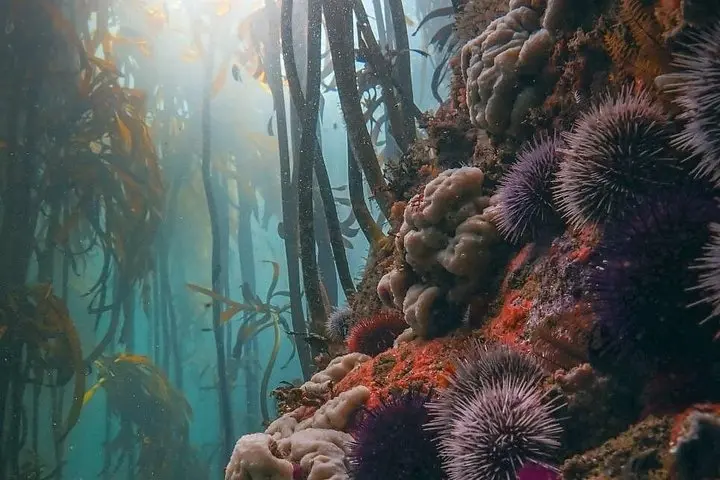
The kelp beds here are part of the Great African Sea Forest, supported by the Benguela current and the sheltered contours of False Bay. Geology of the Cape Peninsula — granite outcrops and glacially-scoured bays — creates the pockets of calm water where kelp thrives. Simon’s Town and Muizenberg carry layers of maritime history: colonial naval yards, small fishing communities and a growing culture geared to marine conservation.
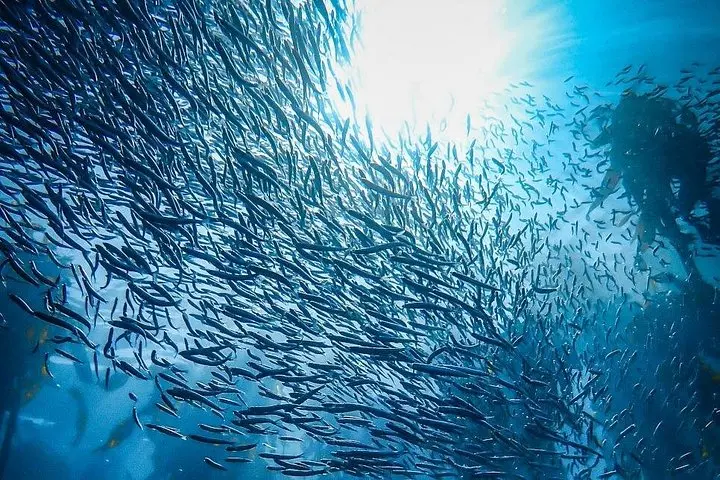
Expect to see fish, abalone, sea stars, shy catsharks and, often, curious Cape fur seals and the region’s famous African penguins paddling past. Guides conduct a short briefing, fit equipment and offer safety buoys; shore entries and calm days make this accessible even to those who aren’t confident swimmers.
Practicalities: plan for a 3–4 hour outing including briefing and travel; wear a thick wetsuit or rent one, bring reef-safe sunscreen and water shoes, and book mornings for the best visibility. Visibility and site choice are weather-dependent — operators will pick the calmest spot. Respect kelp and wildlife: look, don’t touch, and follow your guide’s instructions to keep both you and the forest safe.
No advanced swimming skills required; operators offer shore entries, safety buoys, and guide support—comfort in the water and basic ability to float and follow instructions are sufficient.
Common sightings include fish, sea stars, abalone and occasional octopus; Cape fur seals and African penguins sometimes make surprise appearances.
Quality snorkeling equipment is provided and fitted by guides, but you can bring a personal mask or snorkel if you prefer.
Trips are weather-dependent; the operator will cancel or move the site for safety and visibility—refunds are typically available if canceled at least 24 hours prior.
Cape Town Freediving operates guided outdoor trips and adventures with an emphasis on safety, stewardship, and memorable experiences.
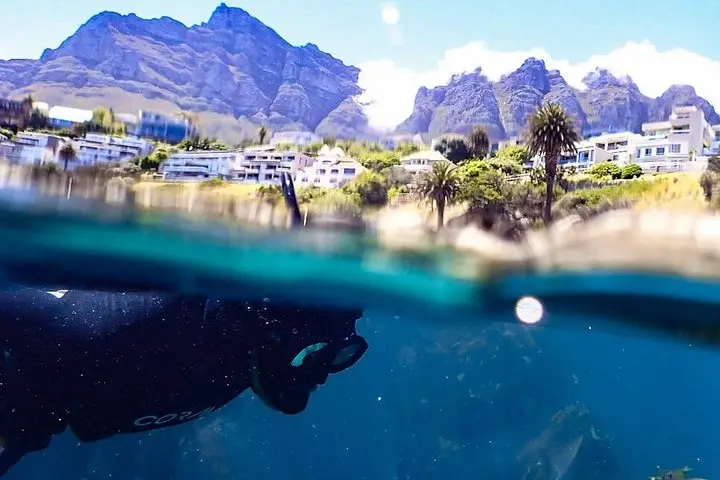
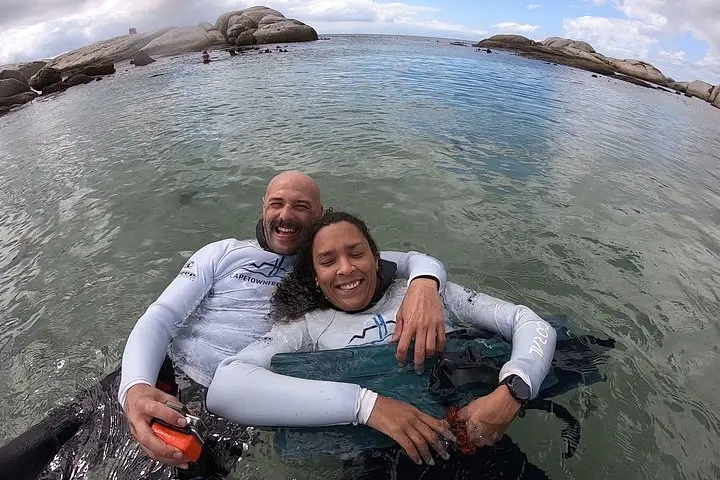
A cold False Bay morning pulls you toward the water: a low swell, kelp blades rising and falling like a slow green tide, and guides at the shoreline helping visitors into masks and wetsuits. The entry is from shore — usually Windmill Beach or nearby reef-sheltered coves — and the ocean immediately reaches up with fronds that sway around you, inviting exploration.
A cold False Bay morning pulls you toward the water: a low swell, kelp blades rising and falling like a slow green tide, and guides at the shoreline helping visitors into masks and wetsuits. The entry is from shore — usually Windmill Beach or nearby reef-sheltered coves — and the ocean immediately reaches up with fronds that sway around you, inviting exploration.
The kelp beds here are part of the Great African Sea Forest, supported by the Benguela current and the sheltered contours of False Bay. Geology of the Cape Peninsula — granite outcrops and glacially-scoured bays — creates the pockets of calm water where kelp thrives. Simon’s Town and Muizenberg carry layers of maritime history: colonial naval yards, small fishing communities and a growing culture geared to marine conservation.
Expect to see fish, abalone, sea stars, shy catsharks and, often, curious Cape fur seals and the region’s famous African penguins paddling past. Guides conduct a short briefing, fit equipment and offer safety buoys; shore entries and calm days make this accessible even to those who aren’t confident swimmers.
Practicalities: plan for a 3–4 hour outing including briefing and travel; wear a thick wetsuit or rent one, bring reef-safe sunscreen and water shoes, and book mornings for the best visibility. Visibility and site choice are weather-dependent — operators will pick the calmest spot. Respect kelp and wildlife: look, don’t touch, and follow your guide’s instructions to keep both you and the forest safe.