THE ADVENTURE COLLECTIVE® · Independent discovery and booking for outdoor travel

Explore Cape Town’s underwater kelp forests on a private half-day snorkel. Swim through rocky gullies, encounter small sharks and abundant reef life, and learn from local guides about the area’s marine history and conservation.
Explore Cape Town’s underwater kelp forests on a private half-day snorkel. Swim through rocky gullies, encounter small sharks and abundant reef life, and learn from local guides about the area’s marine history and conservation.
The cold Atlantic bites at the face mask and the kelp rises around you like a green cathedral—long stipes swaying, fronds brushing past as if nudging you deeper.
Verified experiences and guided adventures in the surrounding area.
Operated by Apex Shark Expeditions · Cape Town, Western Cape
The cold Atlantic bites at the face mask and the kelp rises around you like a green cathedral—long stipes swaying, fronds brushing past as if nudging you deeper.
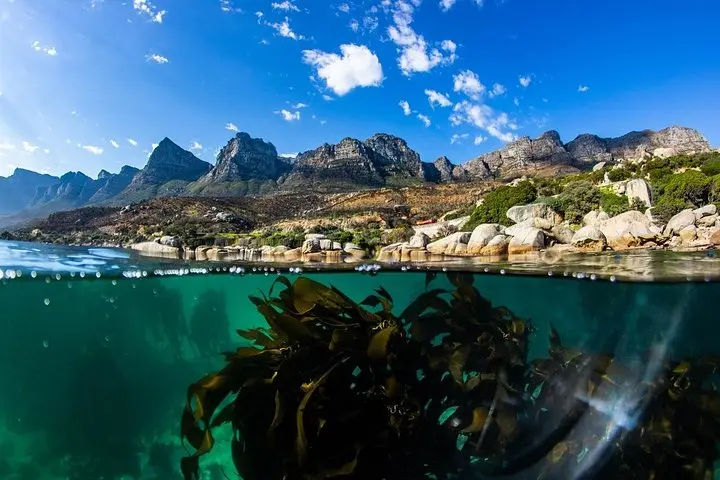
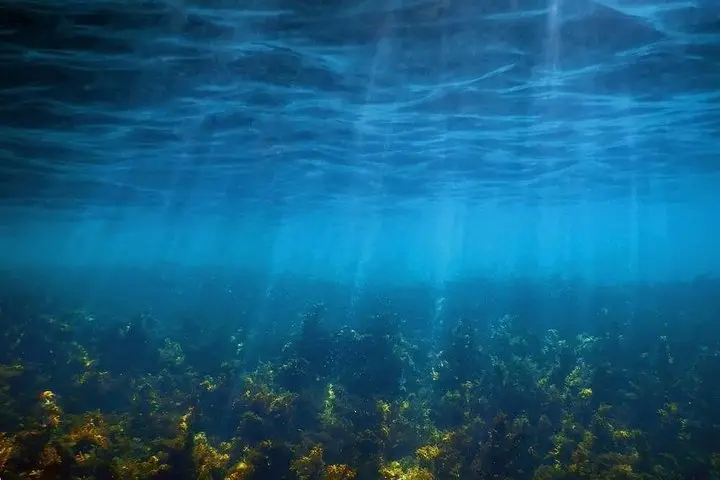
Off the Cape Peninsula, a half-day guided snorkel through the Great African Seaforest places swimmers among rocky reefs, gullies and dense kelp forests that host shy and gully sharks, small reef fish, and crabs. The coastline here is geologically young granite sculpted by waves; tide-swept channels and submerged boulders create underwater corridors to explore.
Human history along this coast is layered: from Khoikhoi seasonal fishing to Dutch and British naval settlements in Simon’s Town, and now a conservation-minded marine tourism industry. Local guides combine natural history with cultural context, pointing out where kelp harvesting and fisheries once shaped livelihoods and how modern protections aim to restore balance.
Practical guidance: trips run about 2.5 hours and include a safety briefing, full snorkel gear, and a short beach or boat entry. Water temperatures are cool year-round (10–16°C), so a wetsuit is recommended; currents can be strong—guides choose sites and tide windows to match ability. Bring layers, a towel, and a dry bag for valuables. Expect easy swimming with intermittent drift between gullies; basic swimming ability and comfort in open water are required.
Timing your snorkel for mid to high tide and calmer weather improves visibility. Respect marine life: observe, don’t touch. The experience is equal parts quiet observation and sharp, cold exhilaration—salt on the lips, kelp brushing your hands, and reef life moving around you as you pass.
Yes—most sharks in the seaforests are small, non-aggressive species (e.g., shy and pyjama sharks); guides maintain safe distances and choose appropriate sites.
No—full snorkel equipment is provided, but you may bring personal masks or fins for comfort and fit.
Summer (December–February) offers longer daylight and slightly warmer air, but water temperatures remain cool year-round; visibility can be best on calm days in late summer and autumn.
Trips require basic swimming ability and water confidence; minors may need to meet age and buoyancy requirements—check with the operator before booking.
Apex Shark Expeditions operates guided outdoor trips and adventures with an emphasis on safety, stewardship, and memorable experiences.
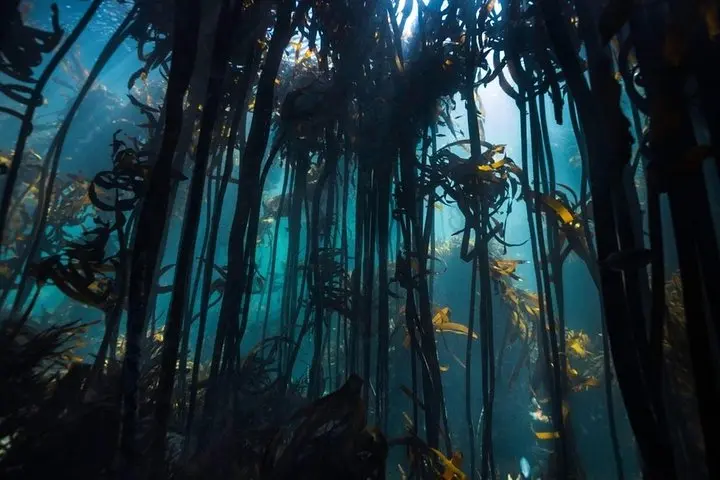
The cold Atlantic bites at the face mask and the kelp rises around you like a green cathedral—long stipes swaying, fronds brushing past as if nudging you deeper.
The cold Atlantic bites at the face mask and the kelp rises around you like a green cathedral—long stipes swaying, fronds brushing past as if nudging you deeper.
Off the Cape Peninsula, a half-day guided snorkel through the Great African Seaforest places swimmers among rocky reefs, gullies and dense kelp forests that host shy and gully sharks, small reef fish, and crabs. The coastline here is geologically young granite sculpted by waves; tide-swept channels and submerged boulders create underwater corridors to explore.
Human history along this coast is layered: from Khoikhoi seasonal fishing to Dutch and British naval settlements in Simon’s Town, and now a conservation-minded marine tourism industry. Local guides combine natural history with cultural context, pointing out where kelp harvesting and fisheries once shaped livelihoods and how modern protections aim to restore balance.
Practical guidance: trips run about 2.5 hours and include a safety briefing, full snorkel gear, and a short beach or boat entry. Water temperatures are cool year-round (10–16°C), so a wetsuit is recommended; currents can be strong—guides choose sites and tide windows to match ability. Bring layers, a towel, and a dry bag for valuables. Expect easy swimming with intermittent drift between gullies; basic swimming ability and comfort in open water are required.
Timing your snorkel for mid to high tide and calmer weather improves visibility. Respect marine life: observe, don’t touch. The experience is equal parts quiet observation and sharp, cold exhilaration—salt on the lips, kelp brushing your hands, and reef life moving around you as you pass.