THE ADVENTURE COLLECTIVE® · Independent discovery and booking for outdoor travel

A brief boat-run from Tulum’s beach puts you in front of the cliffside ruins and over a fringing reef alive with turtles and rays. This 1.5-hour trip pairs a short archaeological viewpoint with guided snorkeling for swimmers of all levels.
A brief boat-run from Tulum’s beach puts you in front of the cliffside ruins and over a fringing reef alive with turtles and rays. This 1.5-hour trip pairs a short archaeological viewpoint with guided snorkeling for swimmers of all levels.
The boat pushes off from a narrow beach and the limestone coast of Tulum slips away — white sand shrinking, the famous cliffside ruins at the water’s edge turning into a low silhouette. Salt and wind carry the history of commerce and sea routes as the skipper lines up the boat in front of the archaeological zone; the reef waits a short swim offshore, alive with color.
Verified experiences and guided adventures in the surrounding area.
Operated by Tulum Snorkel Services · Tulum, Quintana Roo
The boat pushes off from a narrow beach and the limestone coast of Tulum slips away — white sand shrinking, the famous cliffside ruins at the water’s edge turning into a low silhouette. Salt and wind carry the history of commerce and sea routes as the skipper lines up the boat in front of the archaeological zone; the reef waits a short swim offshore, alive with color.
This stretch of coast fronts the late-Postclassic Maya site of Tulum, once a small port and lookout for coastal trade. Under the surface the geology shifts from shallow sand flats to fringing coral built on ancient limestone, part of the larger Mesoamerican Barrier Reef. Local crews who run these trips often balance tourism with long-standing fishing and boat traditions — expect brief commentary on the ruins and practical safety instructions before entering the water.
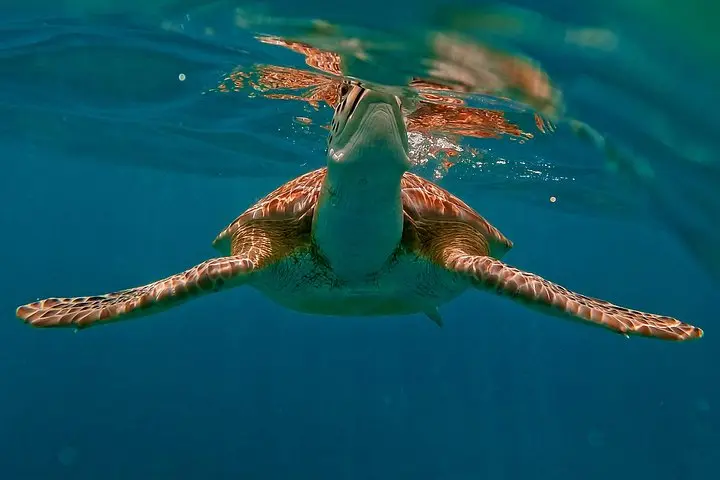
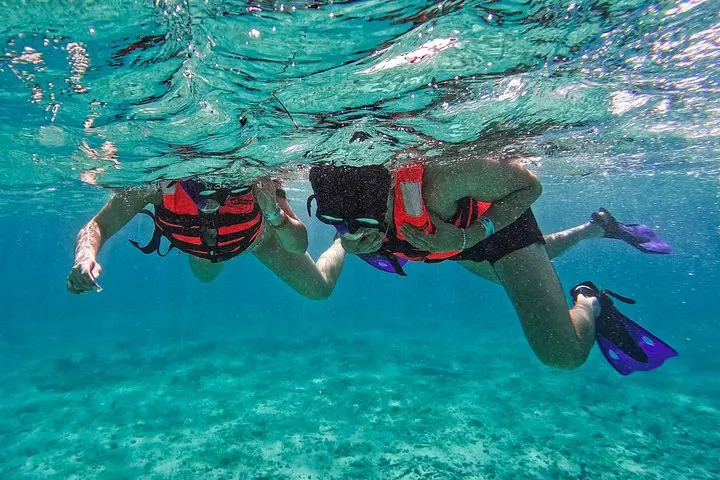
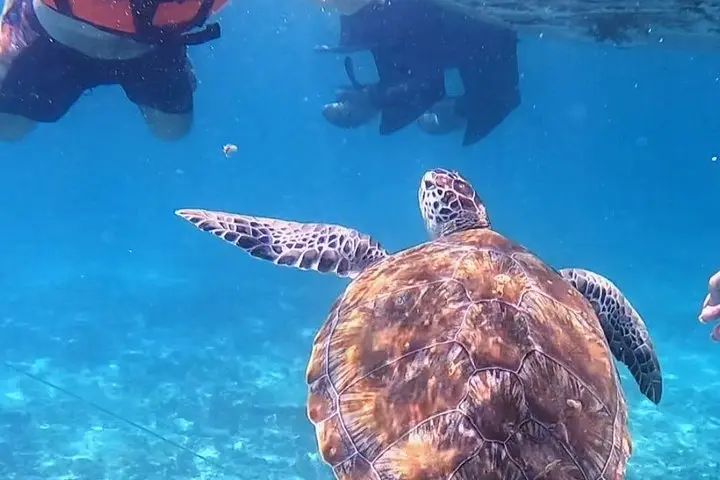
When you slide into the water the reef will seem to reach for you: corals funnel currents, fish press in and rays sometimes glide through open channels. Guides keep life jackets on and steer small groups to minimize impact; sightings of green turtles and rays are common but never guaranteed.
Practical guidance: arrive 20–30 minutes early to check in and park, use reef-safe sunscreen, and wear a light rashguard for sun and chafing. If you get seasick, take medication beforehand; guides provide masks, fins and life jackets and will brief on snorkeling signals. The whole experience is short, accessible for most swimmers, and designed to combine a quick archaeological viewpoint with gentle reef snorkeling.
No — life jackets are provided and guides stay nearby, but you should be comfortable with basic swimming and floating in open water.
Yes — the boat stops in front of the archaeological zone so you can photograph the cliffside ruins from the water or deck; onshore access is not included.
No — sightings of turtles and rays are common but depend on season, currents, and animal movement; guides know local patterns to increase chances.
No — the tour price typically excludes Federal Maritime Zone (FZMT) taxes; confirm at booking and bring local currency if required.
Tulum Snorkel Services operates guided outdoor trips and adventures with an emphasis on safety, stewardship, and memorable experiences.
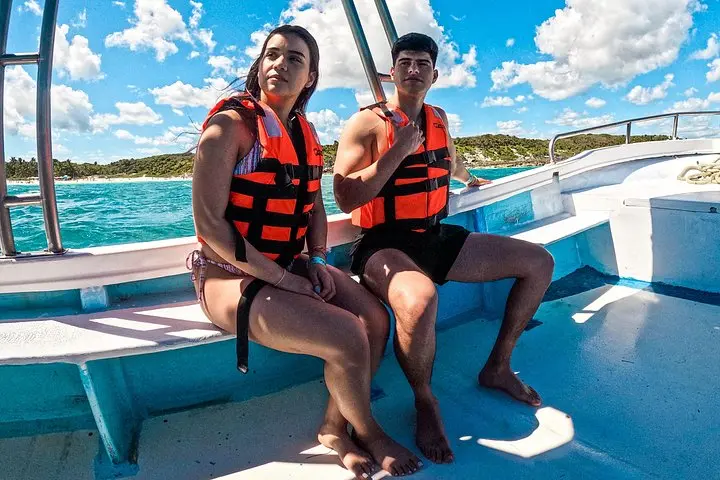
The boat pushes off from a narrow beach and the limestone coast of Tulum slips away — white sand shrinking, the famous cliffside ruins at the water’s edge turning into a low silhouette. Salt and wind carry the history of commerce and sea routes as the skipper lines up the boat in front of the archaeological zone; the reef waits a short swim offshore, alive with color.
The boat pushes off from a narrow beach and the limestone coast of Tulum slips away — white sand shrinking, the famous cliffside ruins at the water’s edge turning into a low silhouette. Salt and wind carry the history of commerce and sea routes as the skipper lines up the boat in front of the archaeological zone; the reef waits a short swim offshore, alive with color.
This stretch of coast fronts the late-Postclassic Maya site of Tulum, once a small port and lookout for coastal trade. Under the surface the geology shifts from shallow sand flats to fringing coral built on ancient limestone, part of the larger Mesoamerican Barrier Reef. Local crews who run these trips often balance tourism with long-standing fishing and boat traditions — expect brief commentary on the ruins and practical safety instructions before entering the water.
When you slide into the water the reef will seem to reach for you: corals funnel currents, fish press in and rays sometimes glide through open channels. Guides keep life jackets on and steer small groups to minimize impact; sightings of green turtles and rays are common but never guaranteed.
Practical guidance: arrive 20–30 minutes early to check in and park, use reef-safe sunscreen, and wear a light rashguard for sun and chafing. If you get seasick, take medication beforehand; guides provide masks, fins and life jackets and will brief on snorkeling signals. The whole experience is short, accessible for most swimmers, and designed to combine a quick archaeological viewpoint with gentle reef snorkeling.