THE ADVENTURE COLLECTIVE® · Independent discovery and booking for outdoor travel

Get two guided shore snorkels at the famed USAT Liberty wreck on a full-day trip from South Bali. Ideal for underwater photographers and beginners, the wreck sits shallow and teems with reef life.
Get two guided shore snorkels at the famed USAT Liberty wreck on a full-day trip from South Bali. Ideal for underwater photographers and beginners, the wreck sits shallow and teems with reef life.
You step off the shaded roadside in a tiny east-Bali village and the sea announces itself with a warm, black-sand hush. Waves lap the shore where the rusty ribs of the USAT Liberty sit half-buried close to the beach—an unexpected, eerily graceful ruin that now bristles with coral and life.
Verified experiences and guided adventures in the surrounding area.
Operated by Bali Diving Academy · Tulamben, Bali
You step off the shaded roadside in a tiny east-Bali village and the sea announces itself with a warm, black-sand hush. Waves lap the shore where the rusty ribs of the USAT Liberty sit half-buried close to the beach—an unexpected, eerily graceful ruin that now bristles with coral and life.
Tulamben’s Liberty was a stranded freighter from World War II; over decades volcanic sand and coral turned wreckage into reef. The coastline here is volcanic basalt and black sand, a product of nearby Mount Agung’s eruptions. Local fishing communities still center daily life on the water, and small warungs serve lunch between snorkeling sessions.
On this day trip from south Bali you’ll get two guided shore snorkels, a briefing, and lunch—ideal for photographers and first-time snorkelers. The wreck’s top sits in shallow water, so visibility is usually good and access is easy from the beach. Expect to see schools of fusiliers, garden eels, colorful anemones, nudibranchs, and the occasional turtle lounging near coral bommies.
Practically: arrive hydrated, suit up after the briefing, and plan for about seven hours round-trip including transport. Use reef-safe sunscreen, fit your mask before entering, and follow guides—coral is fragile and anchors are forbidden. If currents pick up, guides will move groups to calmer reef edges. Bring a small waterproof camera, respect the locals and marine life, and leave only footprints in the black sand.
No—this tour is shore snorkeling and welcomes non-divers; diving certification is not required.
Water temperatures are generally 26–29°C (79–84°F); most snorkelers are comfortable in a swimsuit with a rashguard—thin wetsuits are optional in cooler months.
Yes—pick up from South Bali hotels is included; pick-up windows typically start around 07:30–08:00.
Yes—there is a briefing area with basic facilities and lunch is provided at a local warung in Tulamben between snorkeling sessions.
Bali Diving Academy operates guided outdoor trips and adventures with an emphasis on safety, stewardship, and memorable experiences.


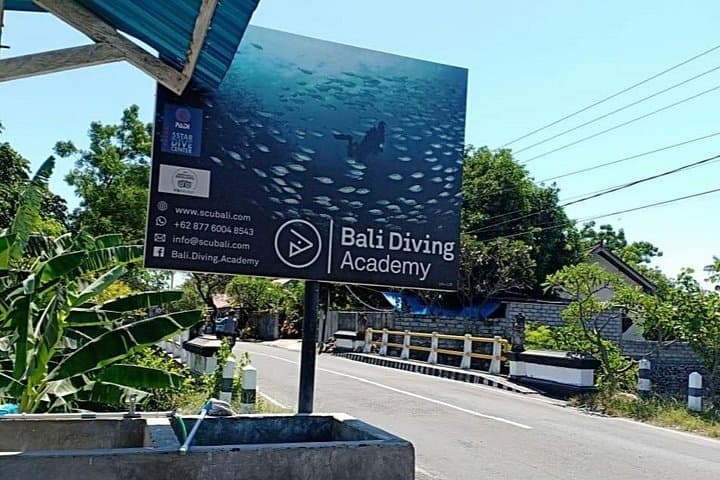

You step off the shaded roadside in a tiny east-Bali village and the sea announces itself with a warm, black-sand hush. Waves lap the shore where the rusty ribs of the USAT Liberty sit half-buried close to the beach—an unexpected, eerily graceful ruin that now bristles with coral and life.
You step off the shaded roadside in a tiny east-Bali village and the sea announces itself with a warm, black-sand hush. Waves lap the shore where the rusty ribs of the USAT Liberty sit half-buried close to the beach—an unexpected, eerily graceful ruin that now bristles with coral and life.
Tulamben’s Liberty was a stranded freighter from World War II; over decades volcanic sand and coral turned wreckage into reef. The coastline here is volcanic basalt and black sand, a product of nearby Mount Agung’s eruptions. Local fishing communities still center daily life on the water, and small warungs serve lunch between snorkeling sessions.
On this day trip from south Bali you’ll get two guided shore snorkels, a briefing, and lunch—ideal for photographers and first-time snorkelers. The wreck’s top sits in shallow water, so visibility is usually good and access is easy from the beach. Expect to see schools of fusiliers, garden eels, colorful anemones, nudibranchs, and the occasional turtle lounging near coral bommies.
Practically: arrive hydrated, suit up after the briefing, and plan for about seven hours round-trip including transport. Use reef-safe sunscreen, fit your mask before entering, and follow guides—coral is fragile and anchors are forbidden. If currents pick up, guides will move groups to calmer reef edges. Bring a small waterproof camera, respect the locals and marine life, and leave only footprints in the black sand.