THE ADVENTURE COLLECTIVE® · Independent discovery and booking for outdoor travel

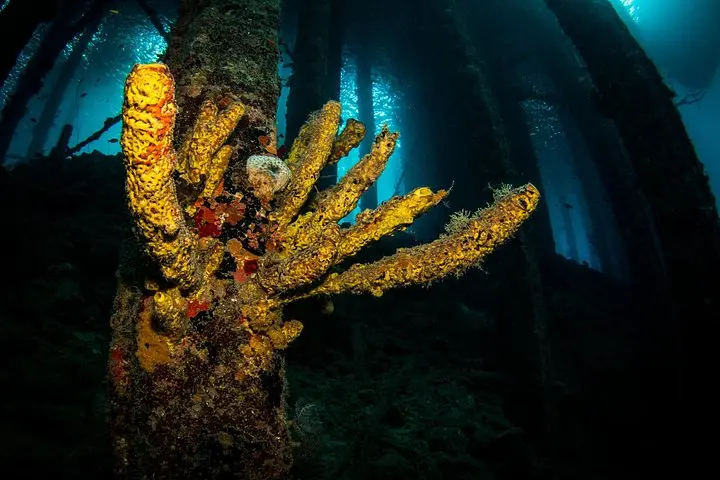
Explore Caracas Bay’s shallow reefs and the iconic Tugboat wreck on a guided shore snorkel from Willemstad. Expect vivid coral, calm swim zones under a pier called the Cathedral, and a relaxed return to beach-side refreshments.
Explore Caracas Bay’s shallow reefs and the iconic Tugboat wreck on a guided shore snorkel from Willemstad. Expect vivid coral, calm swim zones under a pier called the Cathedral, and a relaxed return to beach-side refreshments.
A warm trade wind pushes across the bay as you step from shore into clear Caribbean water; the surface glitters and dares you to look down. Minutes later a rusted tugboat emerges beneath you, half-hidden in coral and sponges, its metal ribs turned into a vertical reef that hosts glassy sweepers and bright sergeant majors.
Verified experiences and guided adventures in the surrounding area.
Operated by Scubaçao Diving Adventures · Willemstad, Curaçao
A warm trade wind pushes across the bay as you step from shore into clear Caribbean water; the surface glitters and dares you to look down. Minutes later a rusted tugboat emerges beneath you, half-hidden in coral and sponges, its metal ribs turned into a vertical reef that hosts glassy sweepers and bright sergeant majors.
This shore-based snorkel route runs along the Caracas Bay peninsula on Willemstad’s southeast flank — an area once used as a Royal Dutch Shell bunker before the company left in 1985 and the land evolved into protected coastline. Geologically, Curaçao is a raised limestone plateau fringed by coral reefs; currents and reef architecture create pockets of calm water and concentrated marine life around wrecks and pier pilings.
Culturally, the shoreline is stitched with colonial-era sites: the nearby Fort Beekenburg (early 1700s) and quarantine buildings look over Spanish Water, offering a reminder that these beaches have been strategic as well as scenic.
Expect two main snorkeling stops: the Tugboat wreck and the shallow Cathedral under the pier, then Director’s Bay — a bay with a short swim back to shore for a relaxed lunch. Water conditions are usually sheltered but can be wind-chopty; currents are mild but don’t underestimate them.
Practical tips: arrive with reef-safe sunscreen, a secure mask and fins (some operators provide gear), and a lightweight flotation aid if you’re less confident. Wear water shoes for rocky entry and protect the reef — do not touch or feed fish. Aim for morning departures when visibility is best and winds are lighter. Hydrate before and after the swim; the island sun is persistent.
No — the trip is suitable for beginners; guides pick calm, shallow spots and provide basic instruction.
Yes — use of snorkeling equipment is listed as included, though many guests bring their own mask for comfort.
The tour notes stroller access and infant seats, but check with the operator for specific minimum ages and supervision rules.
The operator may cancel if conditions are unsafe or if minimum traveler numbers aren’t met; cancel at least 24 hours for full refund per policy.
Scubaçao Diving Adventures operates guided outdoor trips and adventures with an emphasis on safety, stewardship, and memorable experiences.
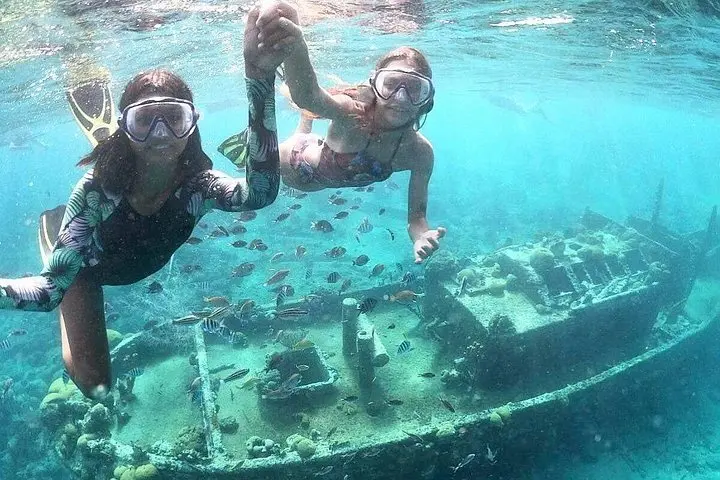
A warm trade wind pushes across the bay as you step from shore into clear Caribbean water; the surface glitters and dares you to look down. Minutes later a rusted tugboat emerges beneath you, half-hidden in coral and sponges, its metal ribs turned into a vertical reef that hosts glassy sweepers and bright sergeant majors.
A warm trade wind pushes across the bay as you step from shore into clear Caribbean water; the surface glitters and dares you to look down. Minutes later a rusted tugboat emerges beneath you, half-hidden in coral and sponges, its metal ribs turned into a vertical reef that hosts glassy sweepers and bright sergeant majors.
This shore-based snorkel route runs along the Caracas Bay peninsula on Willemstad’s southeast flank — an area once used as a Royal Dutch Shell bunker before the company left in 1985 and the land evolved into protected coastline. Geologically, Curaçao is a raised limestone plateau fringed by coral reefs; currents and reef architecture create pockets of calm water and concentrated marine life around wrecks and pier pilings.
Culturally, the shoreline is stitched with colonial-era sites: the nearby Fort Beekenburg (early 1700s) and quarantine buildings look over Spanish Water, offering a reminder that these beaches have been strategic as well as scenic.
Expect two main snorkeling stops: the Tugboat wreck and the shallow Cathedral under the pier, then Director’s Bay — a bay with a short swim back to shore for a relaxed lunch. Water conditions are usually sheltered but can be wind-chopty; currents are mild but don’t underestimate them.
Practical tips: arrive with reef-safe sunscreen, a secure mask and fins (some operators provide gear), and a lightweight flotation aid if you’re less confident. Wear water shoes for rocky entry and protect the reef — do not touch or feed fish. Aim for morning departures when visibility is best and winds are lighter. Hydrate before and after the swim; the island sun is persistent.